
EuroCham Cambodia
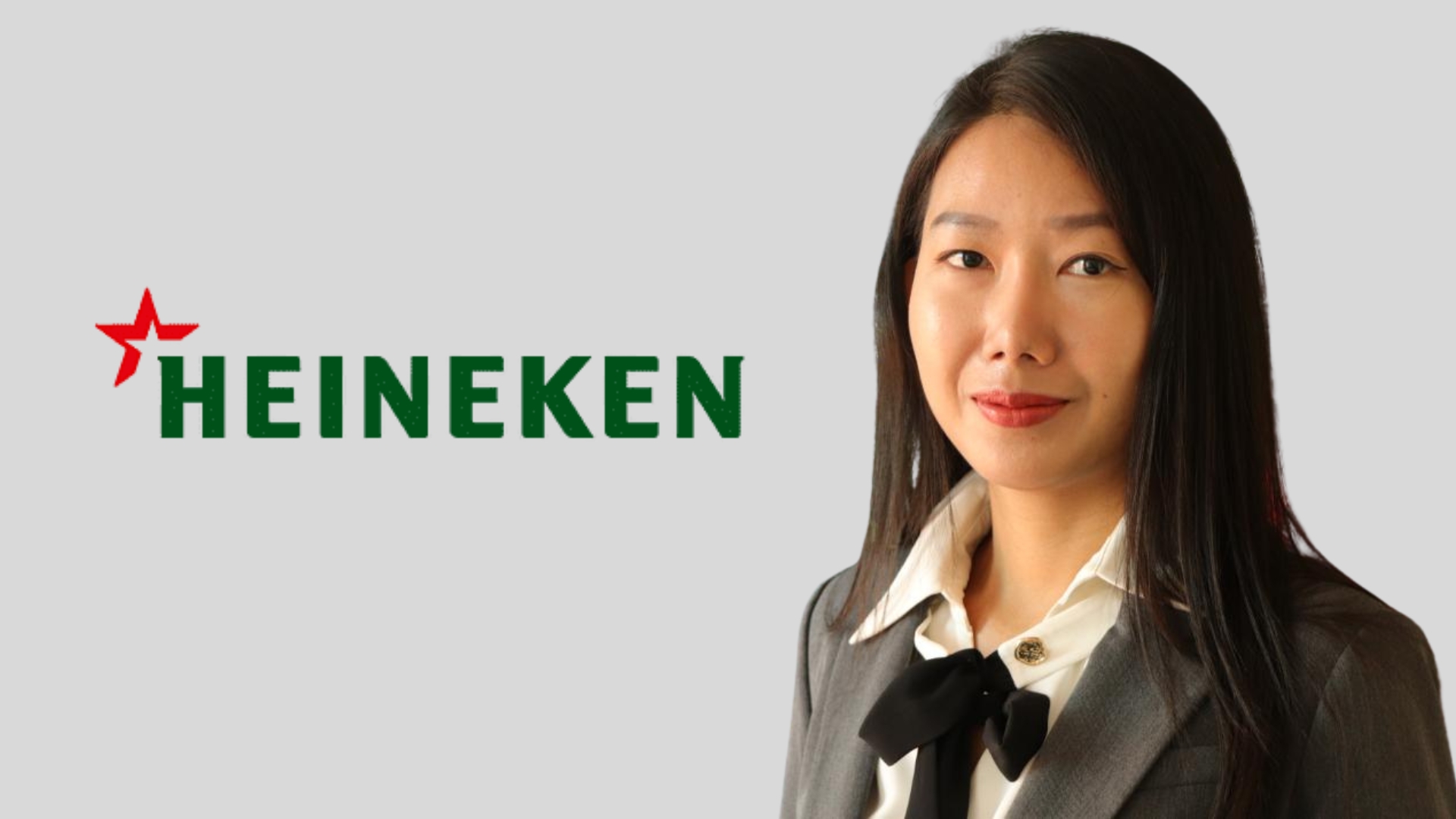
With the Tax Forum 2026 just around the corner, we sat down with Linda Oum, Tax Manager at HEINEKEN Cambodia and Vice Chairperson of EuroCham’s Tax Committee.
Over the course of her career, she’s gained insights into a broad cross-section of the Kingdom’s sometimes-challenging tax landscape. Our conversation focused on the sector’s progress in recent years and what to expect at the Forum.
EuroCham: You have extensive experience across various sectors in the tax landscape. Looking back on your career, what have been some of the most significant lessons you’ve learned about Cambodia’s evolving tax environment, and what drew you to EuroCham’s Tax Committee?
Linda: Over nearly a decade in Cambodia’s tax landscape, I’ve seen a system that is evolving rapidly—though not always linearly. While significant progress has been made in digitalisation and alignment with international standards, businesses continue to navigate gaps between regulation and practical implementation. At the same time, there is a clear shift toward substance, with greater emphasis on documentation, transfer pricing, and audit readiness. Encouragingly, tax policy is also becoming more consultative, with increasing openness to public-private dialogue.
This experience is what led me to EuroCham’s Tax Committee. I believe the private sector has a responsibility to contribute to a more transparent, predictable, and competitive tax environment. Through EuroCham, we can raise recurring challenges collectively, engage constructively with policymakers, and support reforms that strengthen both revenue integrity and investment attractiveness. Ultimately, my goal is to help shape a fair and consistent tax system that supports Cambodia’s long-term economic development.
Tax framework has undergone significant modernisation
EuroCham: Cambodia’s tax framework has undergone significant modernisation in recent years, particularly as part of the country’s broader economic formalisation agenda. From your perspective, what are some of the most important trends you see shaping the tax landscape in the years ahead?
Linda: Cambodia’s tax system has modernised rapidly, particularly through digitalisation and stronger alignment with international standards. While this is improving transparency, it is also increasing compliance expectations and audit scrutiny. At the same time, there is a clear shift toward substance, with greater focus on transfer pricing, documentation, and audit readiness.
Businesses must also navigate ongoing challenges around regulatory interpretation and implementation. Looking ahead, continued digital integration, closer alignment with global frameworks, and more structured public-private engagement will shape the tax landscape.
Overall, success will depend on being proactive—strengthening governance, maintaining robust documentation, and engaging constructively with regulators.
At the EuroCham Tax Forum 2026, you will be presenting key insights from the White Book 2027 Taxation Chapter and participating in the Capital Gains Tax panel discussion. Could you share a preview of the topics you’ll be covering and some of the practical insights attendees can expect to take away from these sessions?
Linda: At the Forum, I will highlight key recommendations from the White Book 2027 Taxation Chapter, focusing on improving clarity, consistency, and practical implementation of tax regulations. In the Capital Gains Tax session, we will discuss key challenges such as valuation, scope, and compliance readiness.
Attendees can expect practical insights on how rules are applied in practice and how to navigate common uncertainties in Cambodia’s evolving tax environment.
EuroCham Tax Forum 2026
With a full-day program featuring government representatives, industry experts, and private sector stakeholders, what makes the EuroCham Tax Forum a valuable event for businesses operating in Cambodia, and why should professionals make time to attend this year’s edition?
Linda: The EuroCham Tax Forum brings together senior representatives from the General Department of Taxation, industry experts, and business leaders for a full day of focused dialogue on Cambodia’s evolving tax landscape. It offers practical insights on key topics such as economic formalisation, capital gains tax, and double taxation, alongside direct engagement with policymakers.
For businesses, the Forum provides a valuable platform to gain clarity on regulatory developments, exchange perspectives, and stay ahead of compliance expectations. In a rapidly changing environment, it is an essential opportunity for professionals to remain informed and connected.