
Cambodia Investment Review
Six Cambodian startups operating at the intersection of sustainability and digital innovation have concluded the nine-month DGIx Accelerator programme, presenting business models designed not only to attract investment, but to build the operational foundations required for long-term scaling.
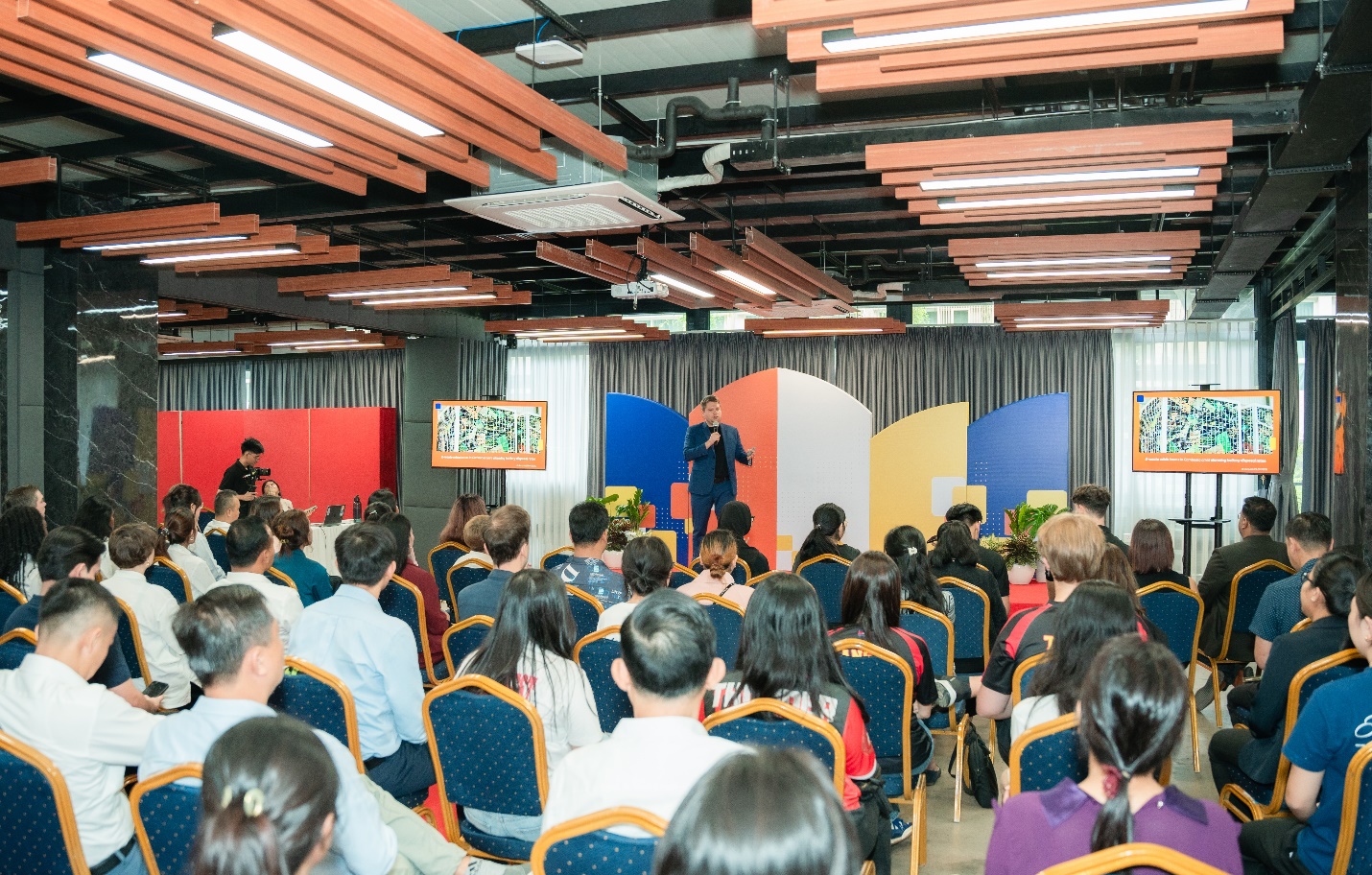
The finale event, titled “Builders and Backers: Scaling Green x Digital Solutions for Cambodia,” was hosted on February 24 by Impact Hub Phnom Penh. It marked the close of an intensive accelerator implemented under the Digital and Green Innovation Action (DGIx), aimed at strengthening early-to-growth stage impact ventures across sectors including waste management, energy efficiency, agriculture, financial inclusion and sustainable fashion.
Read More: The Digital & Green Innovation Accelerator (DGIx) Launches in Cambodia
From Investment Readiness to Scaling Readiness
While preparing for investor engagement was part of the programme, organisers stressed that DGIx placed equal emphasis on scaling readiness — reinforcing governance, financial discipline, operational systems and strategic clarity to prepare startups for sustainable growth.
Annika Freudenberger, Head of Entrepreneurship Programme at Impact Hub Phnom Penh, said the accelerator moved beyond conventional startup support focused solely on fundraising.
She explained that many early-stage programmes concentrate on preparing companies to pitch for capital, but fewer initiatives help businesses build the internal structures necessary to absorb and effectively deploy that capital.
The DGIx Accelerator therefore combined technical workshops, mentoring and strategic advisory support to strengthen core business foundations. This included refining revenue models, improving financial management practices, clarifying impact metrics and enhancing team structures.

Freudenberger noted that scaling impact-driven businesses requires patience and long-term thinking. Growth in sectors such as waste, agriculture and clean energy often depends on behavioural change, infrastructure development and ecosystem partnerships, which do not always produce immediate returns.
She also highlighted a persistent funding gap within Cambodia’s startup ecosystem. While early-stage seed support is increasingly available, fewer funding instruments exist for companies seeking to expand operations, professionalise management and enter new markets. Such businesses often require “patient capital” aligned with social and environmental outcomes.
Structural Challenges: Capital and Talent
Despite growing innovation in Cambodia’s green-digital space, capital constraints remain a significant hurdle.
Jonas Herzing, Advisor at the Digital Transformation Centre of GIZ Cambodia, pointed to financing as a central challenge for startups. He noted that early capital is essential not only for product development and prototyping, but also for sustaining operations until revenue streams mature.
However, he emphasised that innovative solutions must ultimately generate their own revenue to survive. Without viable business models, investment capital alone cannot sustain growth.

In addition to financing gaps, talent shortages were identified as another structural barrier. Many impact startups struggle to attract and retain experienced professionals, particularly when competing with corporate and NGO employers that can offer higher salaries and clearer career pathways.
Freudenberger said nearly all six participating companies faced challenges in team-building, underscoring the importance of strengthening organisational culture, leadership capacity and long-term talent strategies as part of scaling readiness.
Six Startups Positioned for Growth
The six ventures showcased at the finale represent diverse applications of green and digital innovation within Cambodia:
- Evola focuses on circular food waste management, converting foodwaste into animal feed ingredient through Black Soldier Fly production.
- KonektAgri advances agricultural finance and financial inclusion through loan assessment and farmer onboarding software for financial service providers.
- VP. Start develops energy efficiency and smart energy technologies.
- Dorsu produces sustainable and ethical apparel.
- Ecobatt Energy addresses battery and e-waste management challenges.
- Kasegro delivers smart farming and traceability solutions for agricultural supply chains.
Among them, Dorsu highlighted how scaling readiness translates into measurable impact. Managing Director Sann Vanna said operating in Cambodia requires businesses to compete not on cost alone, but on governance standards, transparency and financial discipline.
Read More: E137: Vanna Sann on Building Cambodia’s Leading Sustainable Fashion Brand ‘Dorsu’
Through the programme, he said, Dorsu gained exposure to new operational benchmarks and advisory support that encouraged stronger systems and strategic thinking. The experience also created peer learning opportunities with other founders tackling parallel challenges.
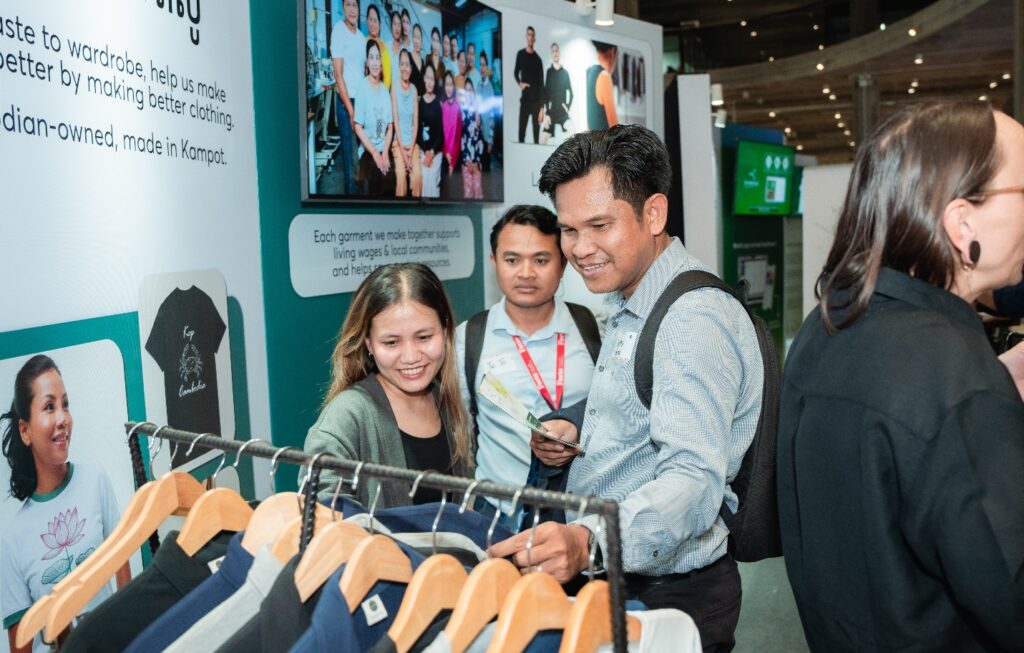
Dorsu currently upcycles nearly 8,000 kilograms of waste fabric annually, contributing to water and carbon savings while employing more than 25 full-time staff, the majority of whom are women in rural areas working under living-wage conditions.
Building Cambodia’s Green-Digital Ecosystem
The DGIx Accelerator reflects broader efforts to position Cambodia’s startup ecosystem around sustainability and digital transformation. By prioritising scaling readiness alongside investment preparation, the programme aims to reduce the failure risks often associated with rapid growth.
Organisers stressed that strengthening governance, financial management and operational systems is critical for impact-driven businesses seeking to expand nationally or regionally.
As Cambodia advances its green growth and digital economy ambitions, programmes such as DGIx signal a shift toward more structured ecosystem support — one that recognises innovation must be matched by business resilience to deliver lasting economic, social and environmental returns.