
Cambodia Investment Review
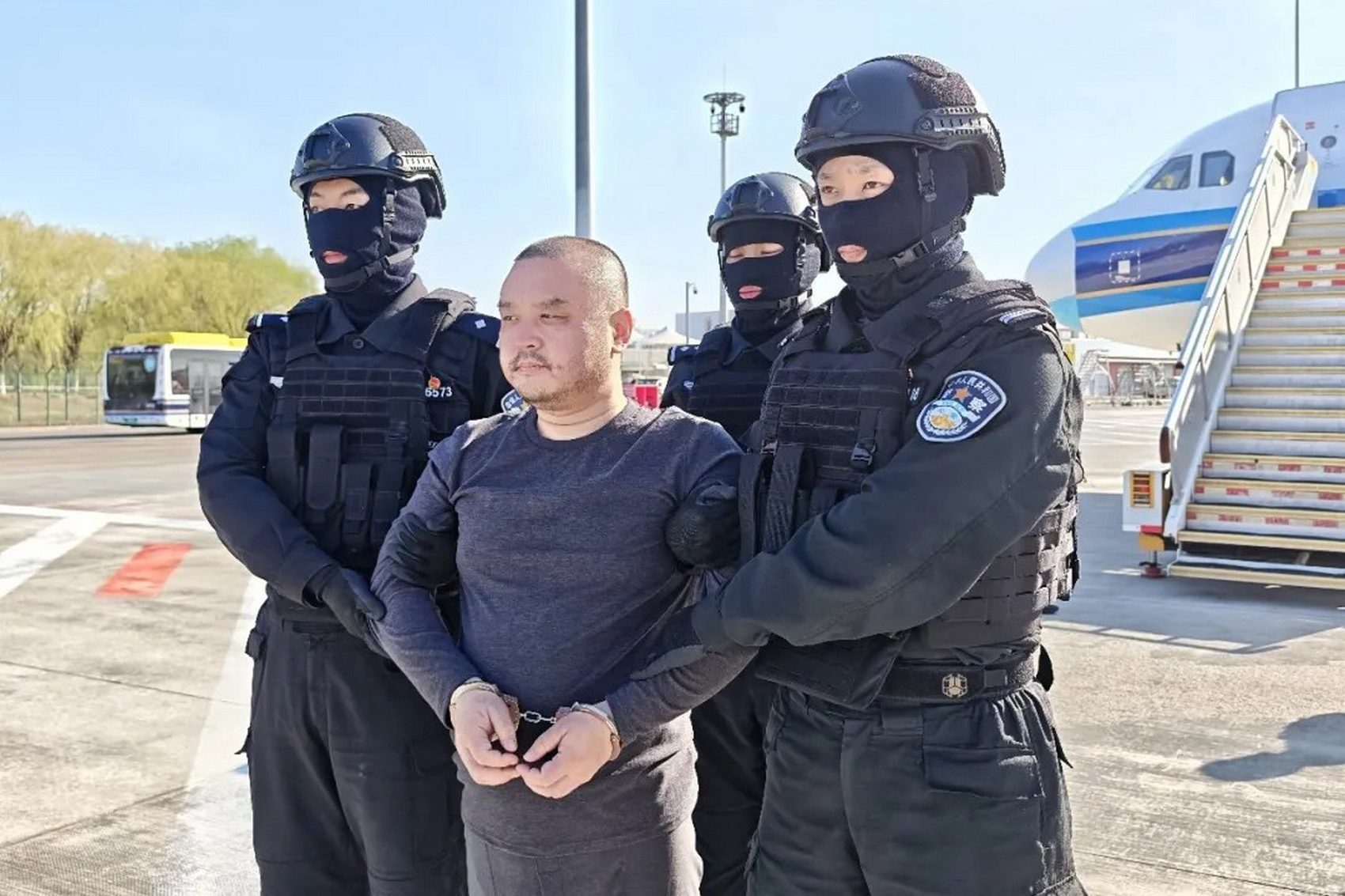
A China-born executive accused of involvement in a large-scale online fraud operation has been extradited from Cambodia to China, according to Chinese state media, in a case that highlights the growing international scrutiny of scam networks operating in Southeast Asia.
State broadcaster CCTV reported that Li Xiong, formerly chairman of Huione Group, is suspected of multiple criminal offences and has been identified as a core member of an alleged criminal network. Authorities in China have placed Li under coercive measures as investigations continue.
The extradition follows the earlier transfer of Chen Zhi, founder of Prince Group, who was also extradited from Cambodia to China in January. Both individuals were reportedly born in China and had previously been granted Cambodian citizenship, which was later revoked by Cambodian authorities.
The case has drawn attention due to its international links, with US authorities also taking action against entities connected to the network. The US Treasury’s Financial Crimes Enforcement Network (FinCEN) designated Huione Group as a “primary money-laundering concern” in May, alleging that the group facilitated more than $4 billion in illicit transactions between August 2021 and January 2025.
According to Chinese state media, Li’s alleged activities are linked to a broader criminal structure accused of running large-scale cyber scam operations targeting victims globally. These scams often involve fraudulent investment schemes, including cryptocurrency-related offers, as well as romance scams designed to manipulate victims into transferring funds.
Regional crackdown intensifies
The extradition reflects increasing cooperation between regional governments in tackling transnational cybercrime, particularly in Cambodia, which has been identified as a hub for such operations.
Across Southeast Asia, organised criminal groups have been reported to operate from casinos, hotels, and fortified compounds, using these locations as bases for coordinated online scam activities. The United Nations Office on Drugs and Crime (UNODC) has previously highlighted the scale and sophistication of these operations, noting that they target victims worldwide and generate billions of dollars in illicit revenue.
Cambodia has faced particular scrutiny, with rights groups and international organisations estimating that tens of thousands of individuals may be involved in scam operations across the country. While some participants are willingly engaged, others are believed to have been trafficked and forced to work under coercive conditions.

Cambodia steps up legal response
In response to mounting pressure, Cambodian authorities have taken steps to strengthen enforcement and introduce new legal measures aimed at curbing scam operations.
Recent legislative developments include efforts to introduce stricter penalties for those involved in operating or facilitating scam centres, with proposed sentences reaching up to life imprisonment. Authorities have also conducted raids on suspected compounds, particularly in areas such as Sihanoukville, where scam-related activity has been widely reported.
The extradition of high-profile figures such as Li Xiong signals a willingness by Cambodian authorities to cooperate with international partners and address concerns over the country’s role in regional cybercrime networks.
Growing global implications
The case underscores the increasingly global nature of cyber-enabled financial crime, with networks spanning multiple jurisdictions and involving both corporate structures and criminal syndicates.
As enforcement actions intensify, governments across the region are under pressure to balance economic development with stronger regulatory oversight and law enforcement capacity.
The investigation into Li Xiong remains ongoing, with Chinese authorities expected to pursue further legal action as part of a broader crackdown on transnational scam networks operating across Southeast Asia.