
Cambodia Investment Review
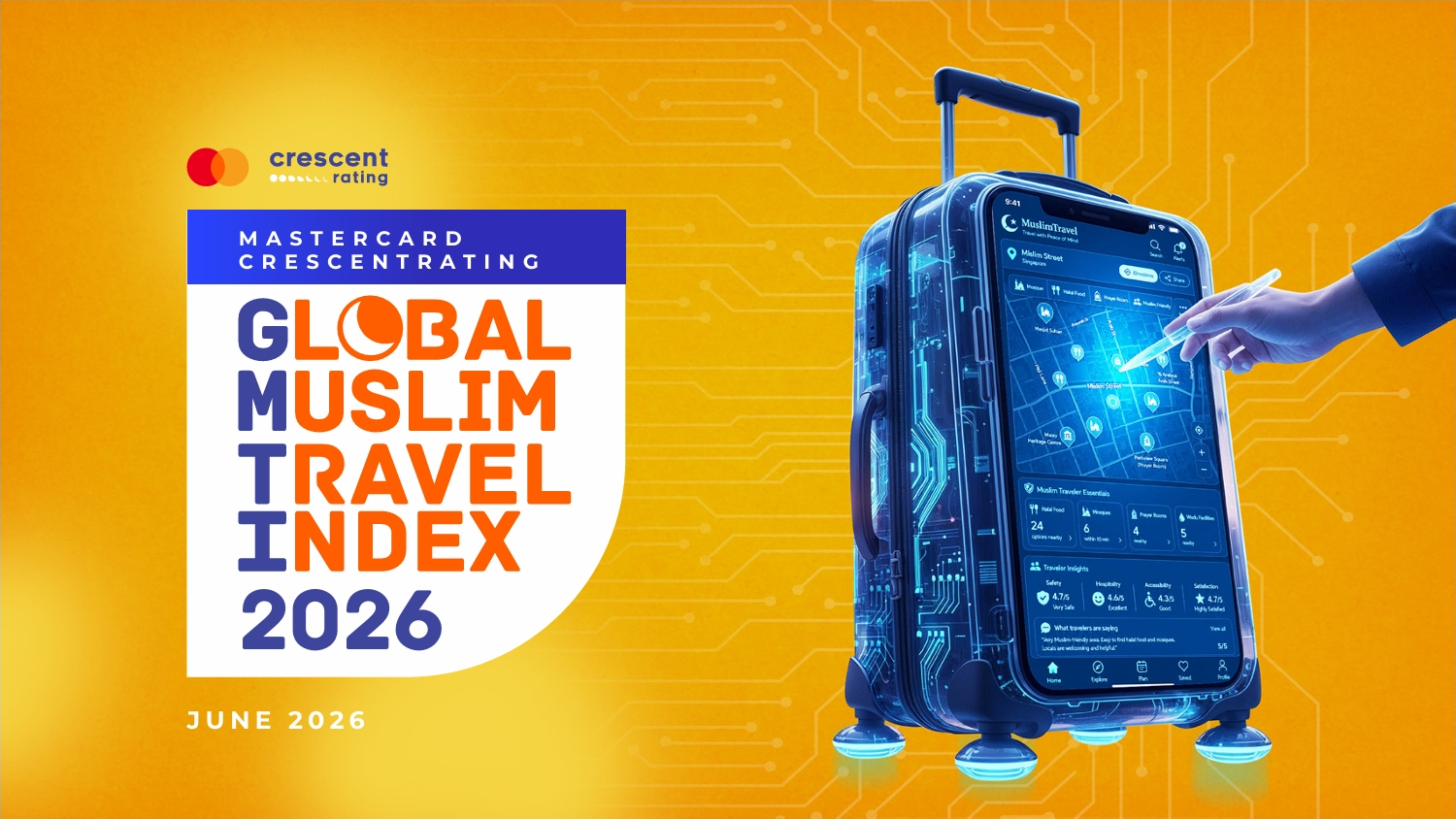
Artificial intelligence is rapidly changing how Muslim travelers plan their trips, with 80% now using AI-powered tools to research and organize travel, according to the latest Global Muslim Travel Index (GMTI) 2026 released by Mastercard and CrescentRating.
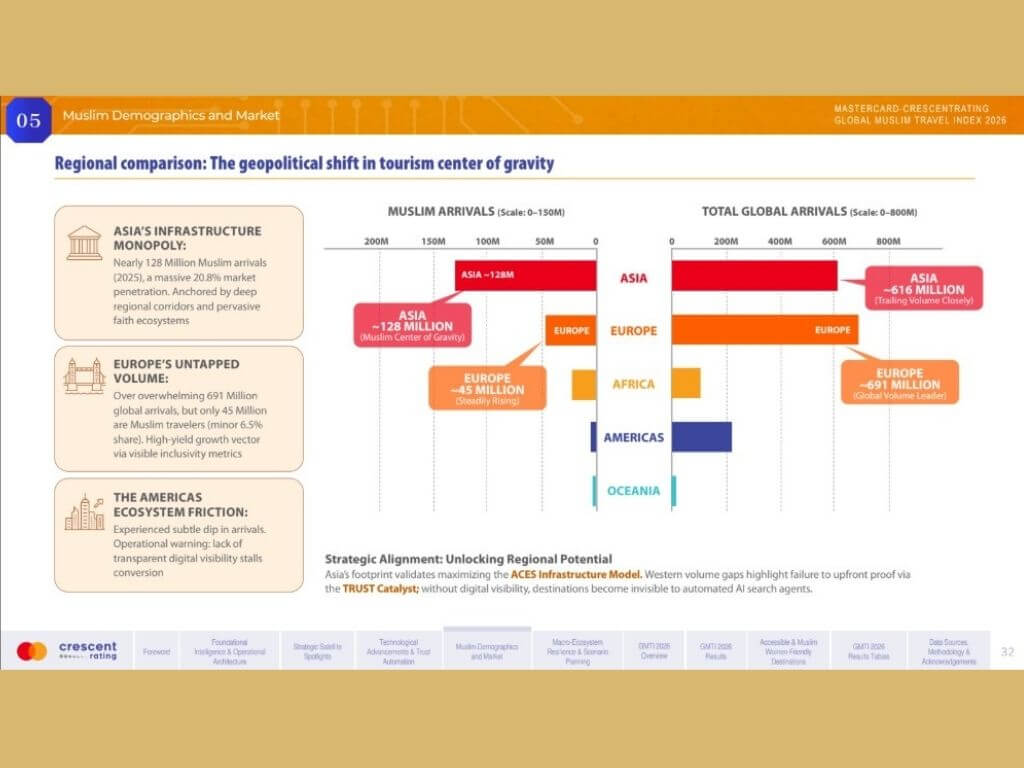
The findings highlight a broader shift toward digitally enabled tourism and suggest that destinations such as Cambodia could strengthen their appeal by making Muslim-friendly services more visible and accessible online as competition for regional visitors intensifies.
Digital Discovery Becomes a Competitive Advantage
The report argues that travel planning is moving beyond traditional search engines toward AI-assisted recommendations, where travelers increasingly rely on digital assistants to identify Halal dining options, nearby prayer facilities, transport routes, and personalized itineraries.
For tourism authorities and businesses, this means simply offering Muslim-friendly services may no longer be enough. Information must also be structured and digitally accessible so that AI systems can easily recommend destinations and businesses to prospective visitors.
As Southeast Asia continues to compete for international arrivals, digital discoverability could become a key differentiator alongside physical infrastructure and hospitality standards.
Southeast Asia Emerges as a Safe Regional Travel Corridor
The report finds that geopolitical uncertainty, rising transport costs, and security concerns are encouraging many Muslim travelers to choose shorter, regional journeys instead of long-haul trips.
Southeast Asia has emerged as one of the strongest beneficiaries of this trend, supported by extensive air connectivity, established Halal ecosystems, and cultural diversity.
For Cambodia, the shift presents potential opportunities to capture a larger share of regional tourism flows, particularly from neighboring ASEAN markets and Muslim-majority countries such as Indonesia and Malaysia. Investments in digital payment systems, multilingual services, and Halal-certified offerings could further enhance the Kingdom’s competitiveness.
Malaysia Retains Leadership While Regional Competition Intensifies
Malaysia retained its position as the world’s top Muslim-friendly destination for the eleventh consecutive year with a score of 82 in the GMTI rankings. Indonesia climbed to share second place with Türkiye and Saudi Arabia, while Singapore remained the leading destination outside the Organization of Islamic Cooperation (OIC).
Hong Kong improved to second among non-OIC destinations, with Taiwan and the United Kingdom sharing third place. Thailand, the Philippines, Japan, and South Korea also recorded stronger performances, reflecting growing investment across Asia in inclusive tourism experiences.
The rankings evaluated 150 destinations representing more than 98% of global Muslim visitor arrivals using factors including accessibility, communications, environment, and services.
Technology and Trust Drive Future Tourism Growth
According to the report, technologies including AI travel assistants, biometric border systems, e-visas, real-time translation, and digital payment platforms are becoming increasingly important in reducing travel friction and improving visitor confidence.
The latest edition also introduces a new “Destination Activation Stack,” combining destination readiness with digital visibility and traveler trust metrics, reflecting how tourism competitiveness is evolving in an AI-driven environment.
For Cambodia, which has been expanding its digital economy and tourism infrastructure while seeking to diversify visitor markets, the findings suggest that strengthening Muslim-friendly digital services and improving AI discoverability could become an important avenue for attracting higher-value regional travelers and supporting long-term tourism growth.