
Cambodia Investment Review
Switzerland will continue supporting entrepreneurship, micro, small and medium-sized enterprises (MSMEs), and workforce development in Cambodia under its Southeast Asia Cooperation Programme 2027–2030, as the country prepares to graduate from Least Developed Country status in 2029.
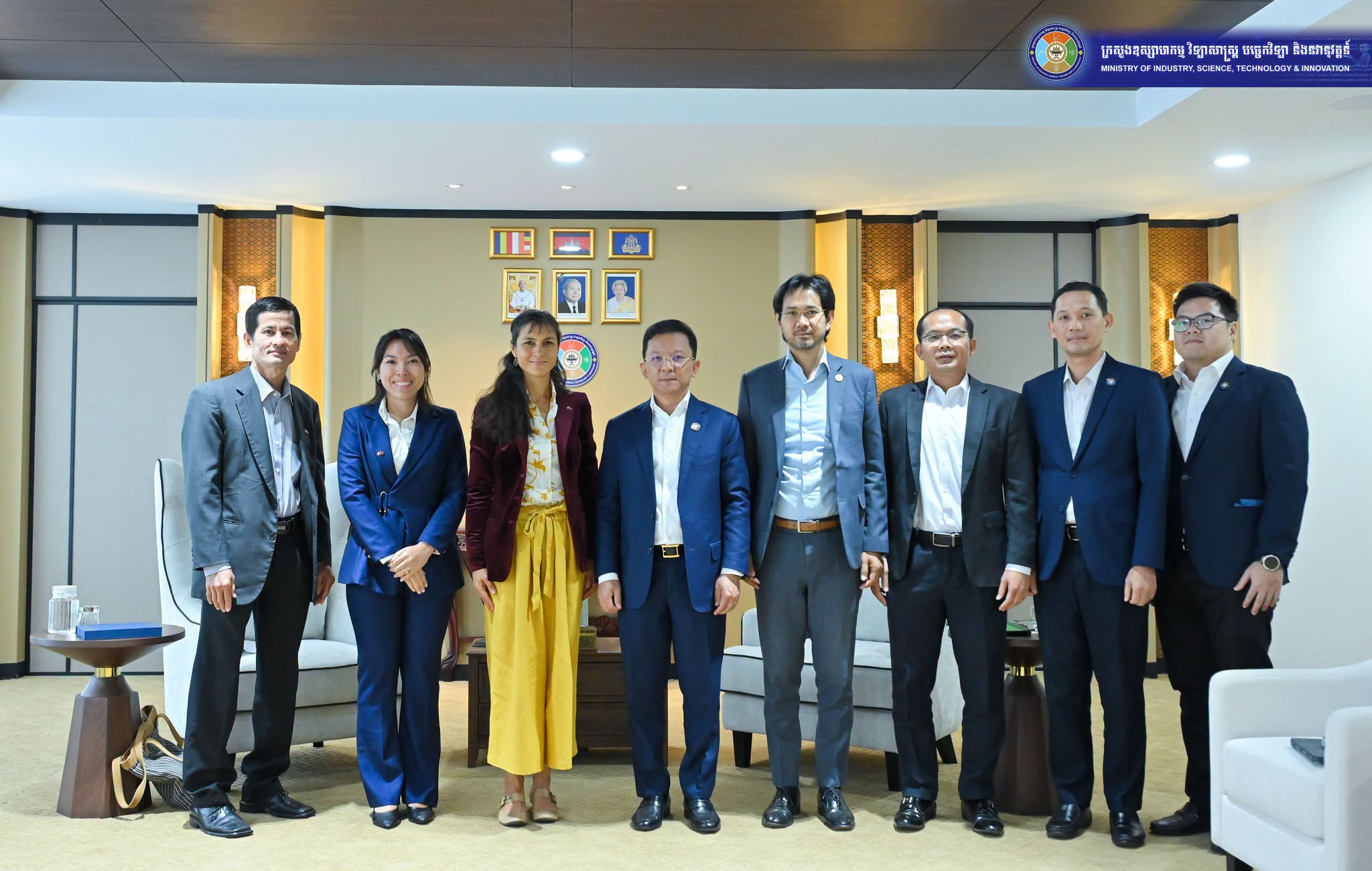
The commitment was discussed during an August 24 meeting between Minister of Industry, Science, Technology and Innovation Hem Vanndy and Sonya Elmer Dettelbacher, Deputy Director of the Swiss Agency for Development and Cooperation (SDC).
The talks focused on strengthening Cambodia’s private sector during the transition to LDC graduation and addressing the challenges businesses may face after the country loses access to some preferential trade and development arrangements.
Preparing Cambodian Businesses for Greater Competition
Hem Vanndy said Cambodia’s graduation would represent an important development milestone but would also increase pressure on domestic entrepreneurs to compete in regional and international markets.
Government priorities include helping informal businesses and MSMEs improve productivity, meet quality and market standards, adopt new technology and participate in higher-value supply chains.
Access to finance remains one of the largest constraints facing smaller Cambodian businesses. Future cooperation with Switzerland is expected to support financing opportunities alongside skills development in technology adoption, quality infrastructure, agro-processing and digitalisation.
The government is also expanding digital public services to simplify business procedures and reduce administrative barriers. This includes integrating more services with CamDX, Cambodia’s government data-exchange platform.
These measures form part of a wider effort to increase private-sector competitiveness before Cambodia’s scheduled LDC graduation in 2029.
Provincial Enterprise Development Becomes a Priority
Hem Vanndy also called for more entrepreneurship and enterprise development support outside Phnom Penh, particularly in provinces with the potential to develop into regional economic hubs.
Targeted provincial programmes could help create employment, strengthen domestic supply chains and ensure that the economic benefits of private-sector development reach communities beyond the capital.
Sonya Elmer Dettelbacher confirmed Cambodia would remain a priority country under Switzerland’s Southeast Asia Cooperation Programme, with inclusive economic development continuing as a central area of cooperation.
She highlighted opportunities for Cambodia to increase private-sector participation, strengthen regional cooperation and improve access to international markets.
Switzerland’s own economic development has been underpinned by a strong MSME sector, offering potential lessons for Cambodia as it seeks to build more productive, resilient and internationally competitive enterprises.
Switzerland Maintains Long-Term Development Partnership
The latest commitment extends a development relationship dating back to the mid-1990s. The SDC established a permanent cooperation office in Phnom Penh in 2012 and has since supported programmes covering economic development, employment and skills.
The agency is currently working with United Nations organisations on the third phase of the Decent Employment for Youth in Cambodia programme, which runs from 2024 to 2028.
Continued Swiss support through 2030 is expected to provide Cambodia with technical expertise and development assistance during a critical period for its economy.
For policymakers, the challenge will be ensuring that MSMEs can increase productivity and secure access to finance quickly enough to compete under the more demanding trade environment expected following LDC graduation.