
Cambodia Investment Review
Cambodia is targeting 8 million air passengers and 112,000 tonnes of air cargo across its four international airports by 2027, despite softer passenger traffic this year, as the government continues investing in aviation infrastructure to position the Kingdom as a regional aviation and logistics hub.
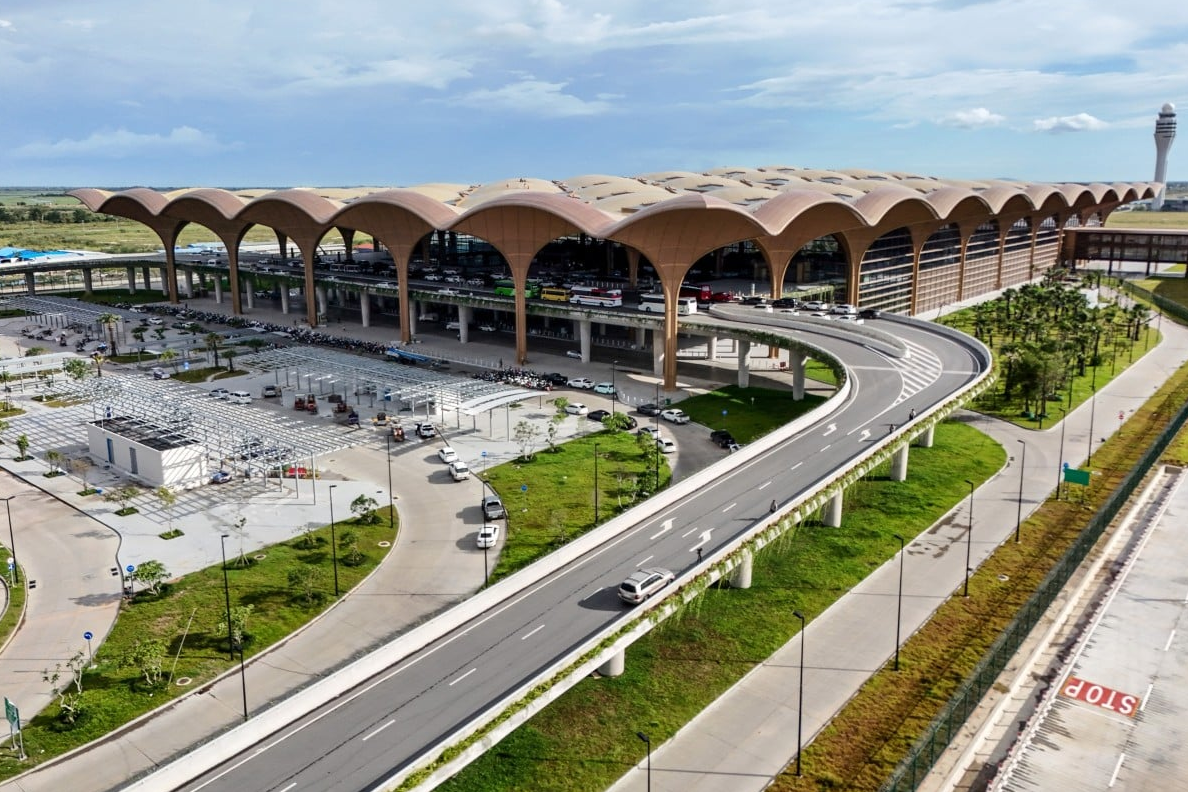
The target covers Techo International Airport (KTI), Siem Reap-Angkor International Airport (SAI), Sihanouk International Airport (KOS) and Dara Sakor International Airport (DSY), which together form the backbone of Cambodia’s long-term aviation strategy.
During a meeting with the Senate’s Ninth Commission on August 4, Mao Havannall, Minister in Charge of the State Secretariat of Civil Aviation (SSCA), said Cambodia’s aviation sector is entering a new era of modernisation driven by upgraded infrastructure, regulatory reforms and stronger international partnerships.
Government Sets Ambitious Aviation Growth Targets
The SSCA aims to handle 8 million passengers and 112,000 tonnes of air cargo through Cambodia’s four airports in 2027 as the Kingdom seeks to strengthen its position within Southeast Asia’s expanding aviation market.
Officials view the country’s airport expansion as a long-term investment designed to support tourism, trade, foreign investment and logistics growth over the coming decade.
Passenger Numbers Ease While Cargo Continues to Grow
The long-term growth strategy comes despite softer passenger performance in 2026.
During the first seven months of the year, Cambodia’s three main international airports handled 37,248 flights, down 1% compared with the same period last year.
Passenger traffic totalled 3.71 million, representing a 9% year-on-year decline, while air cargo volumes rose 21% to 57,102 tonnes, highlighting continued strength in freight and regional trade activity.
Infrastructure and Regulatory Reforms Support Expansion
Havannall said Cambodia has strengthened the sector through new legislation granting the SSCA greater authority to regulate civil aviation, establish technical standards and oversee compliance with the standards of the International Civil Aviation Organization (ICAO).
Cambodia has also achieved aviation safety and security ratings above the global average, recording 70% under ICAO’s Universal Security Audit Programme (USAP) and 67.72% under the Universal Safety Oversight Audit Programme (USOAP), while implementing 92% of priority recommendations for the civil aviation sector.
The minister said Cambodia’s network of international-standard Code 4E and Code 4F airports, combined with green airport design, is helping attract additional international airlines and strengthen the country’s competitiveness as an aviation destination.
International Partnerships Strengthen Aviation Sector
Cambodia has continued expanding international aviation cooperation through several strategic initiatives, including the signing of an Open Skies Agreement with the United States, Air Cambodia’s order for 10 Boeing 737 MAX aircraft, and cooperation with China’s COMAC to purchase 10 C909 regional aircraft.
The government has also awarded around 200 scholarships to train Cambodian pilots and aviation engineers while modernising its Communication, Navigation and Surveillance/Air Traffic Management (CNS/ATM) systems using advanced digital and satellite-based technology operated by Cambodian aviation professionals.
Techo Airport Emerges as Cambodia’s Main Gateway
According to SSCA Secretary of State Sin Chansereyvutha, Techo International Airport accounted for 70.3% of total aircraft movements across Cambodia’s airport network during the first half of 2026, establishing itself as the country’s primary aviation hub.
Siem Reap-Angkor International Airport represented 24% of total flight movements, reflecting its role in serving Cambodia’s tourism industry, while Sihanouk International Airport accounted for 5.3% as the country’s coastal gateway. Dara Sakor International Airport currently handles limited domestic operations.
Cambodia is currently served by 33 airlines, including 29 international carriers and four domestic airlines, with authorities expecting the expanded airport network and improved connectivity to attract additional airlines and support future growth in passenger and cargo traffic.