
Cambodia Investment Review
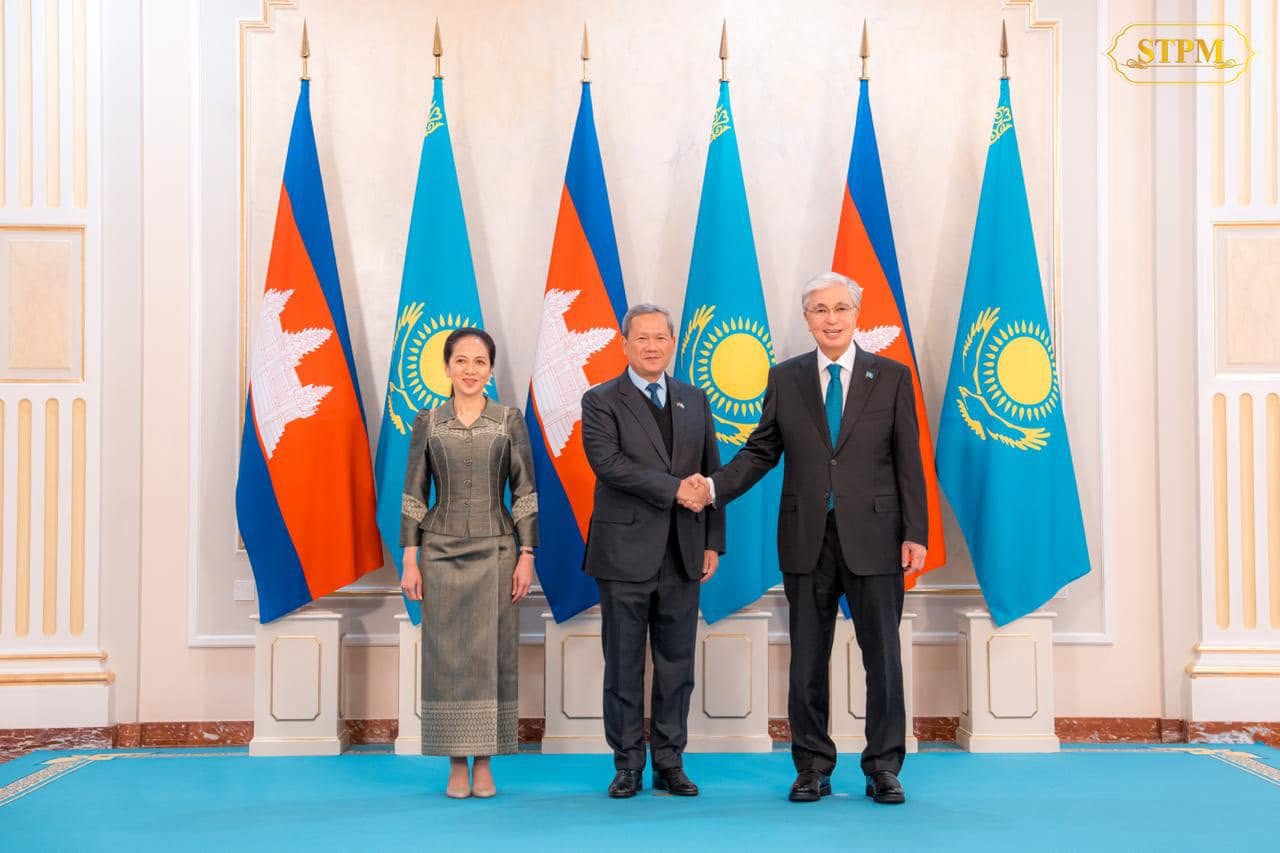
Cambodia is seeking to expand exports, attract investment and strengthen transport connections with Türkiye, Kazakhstan and Azerbaijan following Prime Minister Hun Manet’s six-day tour, although modest trade volumes highlight the work required to turn diplomatic agreements into commercial results.
The visit, which concluded on October 17, included business meetings and agreements intended to broaden Cambodia’s economic partnerships. Potential opportunities span manufacturing, consumer goods, logistics and tourism, alongside measures to improve the framework for cross-border investment.
According to reporting by Cambodianess, Ministry of Foreign Affairs and International Cooperation spokesperson Chann Rotana said the engagement formed part of efforts to renew longstanding relationships and expand cooperation across trade, investment and tourism.
Türkiye Trade Target Remains a Key Focus
Türkiye represents the largest existing trading relationship among the three countries. Bilateral trade reached approximately $400 million in 2025, an increase of 18% from the previous year, according to figures cited in the report.
During the visit, both governments reaffirmed their ambition to increase annual trade to $1 billion. The target was initially agreed by Turkish President Recep Tayyip Erdogan and former Cambodian Prime Minister Hun Sen in 2018.
Several memorandums of understanding were signed, while plans for a trade forum in Türkiye could provide businesses with another channel to identify buyers, investment partners and commercial opportunities.
Cambodia Chamber of Commerce President Kith Meng met business counterparts during the tour. Chamber Vice President Lim Heng identified scope for stronger commercial engagement, while acknowledging that trade remained limited.
Existing connections could support further expansion. Türkiye opened its embassy in Phnom Penh in 2013, and Turkish Airlines began direct flights between Istanbul and Phnom Penh in December 2025, according to the report.
Central Asian and Caucasus Markets Offer Smaller Starting Points
Cambodia’s trade with Kazakhstan reached $40.7 million in 2025, compared with $33.8 million in 2024. Exchanges totalled $20.6 million in the first half of 2026, representing growth of 1.4% year on year.
Cambodian exports, including textiles, knitwear, footwear and other consumer goods, accounted for much of the relationship.
Trade with Azerbaijan stood at $12.7 million in 2025. Azerbaijan imported $7.2 million in Cambodian goods during the first eight months of 2026.
The relatively small volumes suggest room for expansion, although businesses will need stronger market knowledge, competitive pricing and reliable distribution partners to establish sustained demand.
Mehmet Enes Beser, an analyst specialising in Türkiye–ASEAN relations, identified potential for industrial and commercial cooperation with Türkiye and wider connections through Kazakhstan and Azerbaijan into Central Asia and the South Caucasus.
Transport and Tax Agreements Could Support Business Expansion
Discussions with Kazakhstan included the possibility of connecting the Trans-Caspian transport route with networks extending through China and Southeast Asia.
Such connections could broaden market access for Cambodian exporters. Their commercial appeal would depend on freight costs, delivery times and reliability compared with existing shipping arrangements.
In Azerbaijan, agreements covering double taxation and trade and economic cooperation could help establish a clearer operating framework for companies considering investment.
Any reduction in tax uncertainty would depend on the taxation agreement entering into force and being implemented.
Direct flights and possible Cambodian embassies in Azerbaijan and Kazakhstan remain longer-term prospects. Rotana indicated that airline services would require sufficient passenger demand, while new diplomatic missions would depend on funding and budgetary approval.
Implementation Will Determine Economic Returns
The next stage will require government agencies and businesses to identify viable projects and follow through on the agreements.
Him Raksmey, executive director of the Cambodian Center for Regional Studies, highlighted the importance of continued diplomatic and economic exchanges, alongside education, tourism and cultural cooperation.
However, transport costs, financing constraints, regulatory requirements and limited familiarity with each other’s markets could slow commercial progress.
Beser suggested assessing results over the next six to 12 months through measurable developments such as secured financing, operational pilot projects, completed training programmes and repeat export orders.
For Cambodia, the tour has expanded channels for business engagement. Its longer-term economic value will depend on whether those connections generate sustained exports, investment and employment.