
Cambodia Investment Review
Cambodia’s Ministry of Environment and the United Nations Development Programme are stepping up efforts to attract climate finance and move green projects from policy into implementation after finalizing approximately $40 million in financing over the past 12 months.
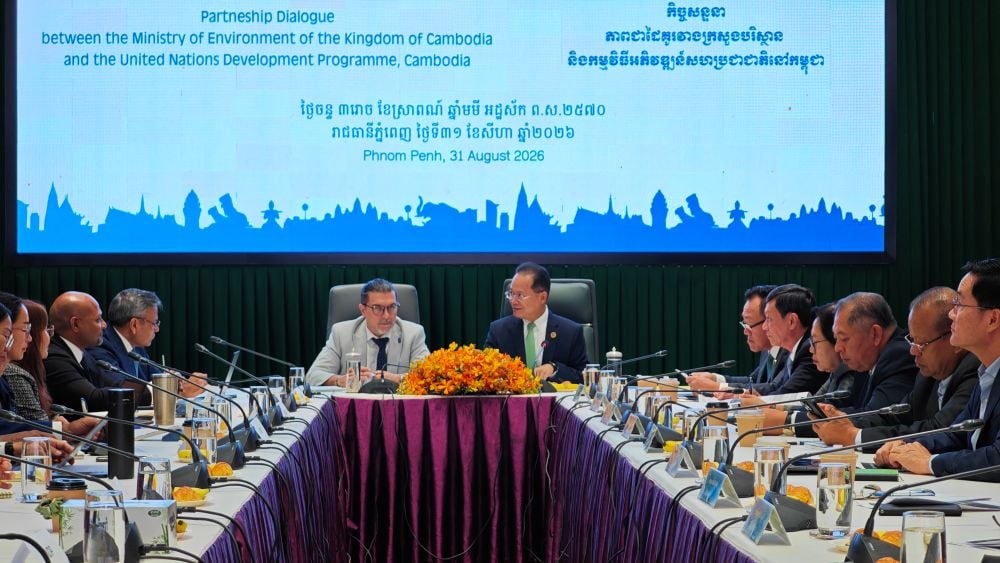
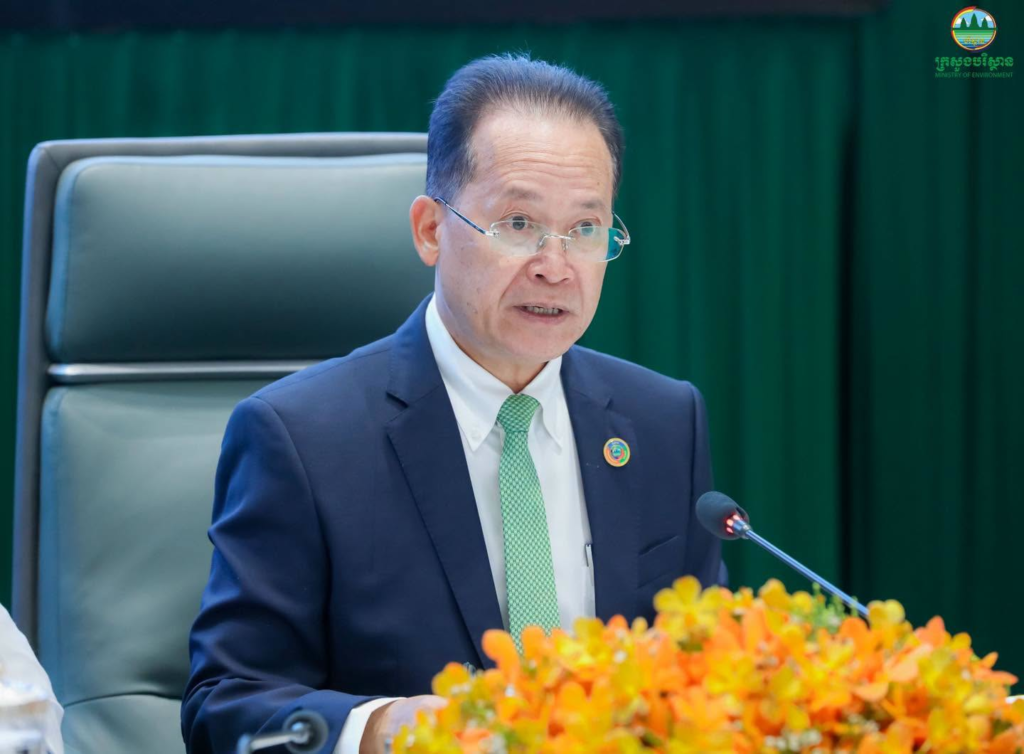
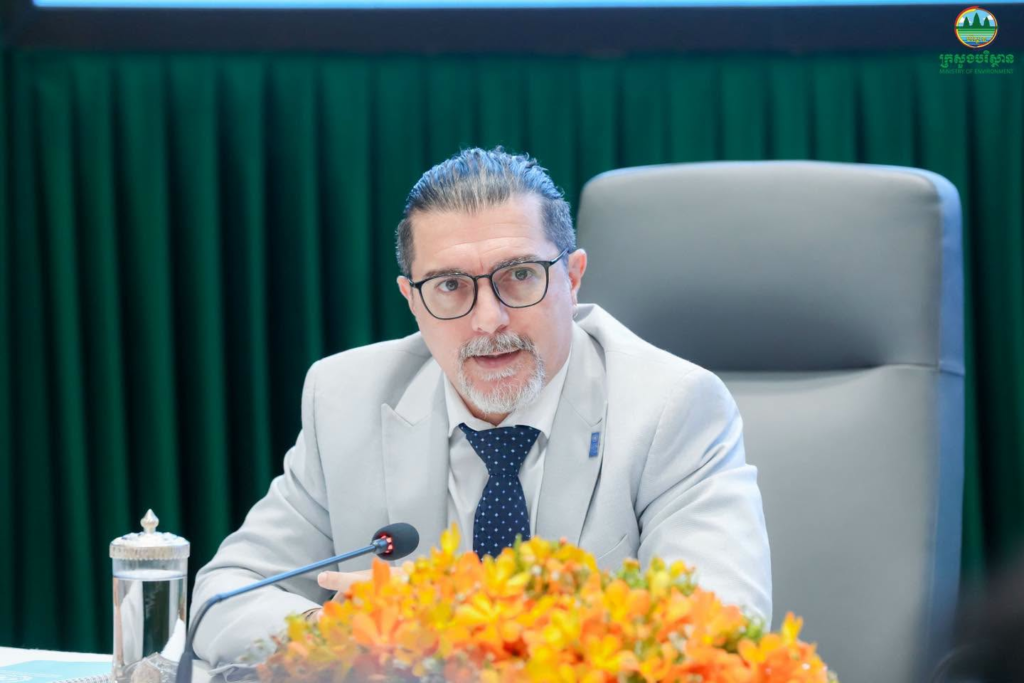
Environment Minister Eang Sophalleth and UNDP Resident Representative in Cambodia Enrico Gaveglia met on August 31 for a partnership dialogue covering 20 projects and initiatives valued at about $47 million, including the $40 million recently finalized.
The discussions focused on aligning investment and development priorities across climate resilience, biodiversity, ecosystem restoration, the circular economy and sustainable natural-resource management.
The partners said the portfolio would support Cambodia’s Environmental Diplomacy Strategy and help turn national climate and environmental commitments into bankable projects capable of attracting financing from development partners, multilateral funds and the private sector.
Bankable Green Investments in Focus
Under the next phase of cooperation, the ministry and UNDP plan to develop investable projects and work toward an engagement platform connecting different sources of finance with practical initiatives at the community level.
Potential investment areas include ecotourism, forest protection, sustainable livelihoods and other nature-based projects. The platform is intended to bring together financing, technical expertise, innovation and implementation capacity.
Sophalleth said the strengthened partnership represented accountable development cooperation aimed at unlocking climate finance and accelerating Cambodia’s green transition.
Gaveglia said UNDP would support Cambodia in mobilizing resources from development partners and the international community, while using multilateral partnerships to combine financing with expertise and delivery capacity.
The two sides also identified ecosystem restoration, biodiversity protection, implementation of Cambodia’s updated climate commitments, climate adaptation, waste management and nature finance as priorities.
$47 Million Portfolio Draws on Global Funds and Donors
Financing for the broader $47 million portfolio comes from global facilities including the Global Environment Facility, the Least Developed Countries Fund and the Green Climate Fund.
Additional support has been provided by Japan, Switzerland, Italy, Germany, South Korea, the United Kingdom, Sweden, Norway and the Czech Republic.
Private-sector and institutional contributors include The Coca-Cola Foundation and the World Economic Forum, while UNDP core resources have also supported the portfolio.
The funding spans ecosystem restoration, biodiversity conservation and climate-policy implementation. It also supports Cambodia’s plastic action roadmap, policy frameworks covering single-use plastics and extended producer responsibility, REDD+ implementation and climate adaptation initiatives.
Climate Plans Linked to Cambodia’s Development Strategy
The cooperation is aligned with the UNDP Country Programme Document for Cambodia for 2024–2028 and several national policy frameworks.
These include the government’s Pentagonal Strategy – Phase I, the Ministry of Environment’s Circular Strategy 2023–2028, the Cambodia Climate Change Strategy Plan 2024–2033 and the country’s third Nationally Determined Contribution, known as NDC 3.0.
The ministry and UNDP said the partnership would also seek to increase community participation, encourage grassroots environmental innovation and identify projects capable of generating income while delivering measurable environmental benefits.
Gaveglia said the cooperation would remain focused on improving the well-being of Cambodians while maintaining a balance with the country’s natural environment.