
Cambodia Investment Review
The European Union and Cambodia have launched a programme to improve energy efficiency, expand renewable energy use and strengthen workplace conditions in the country’s garment, footwear and travel goods (GFT) sector.
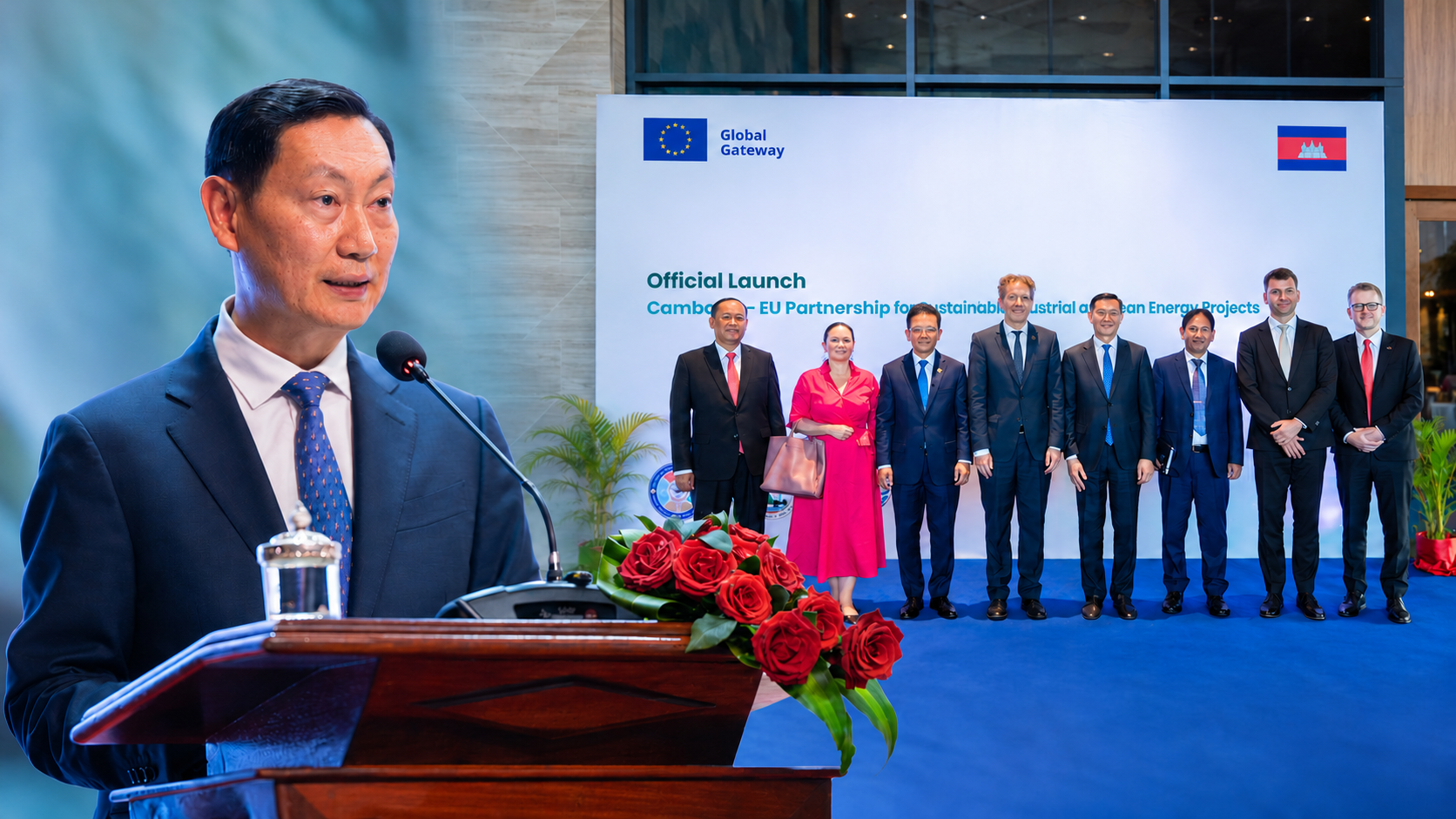
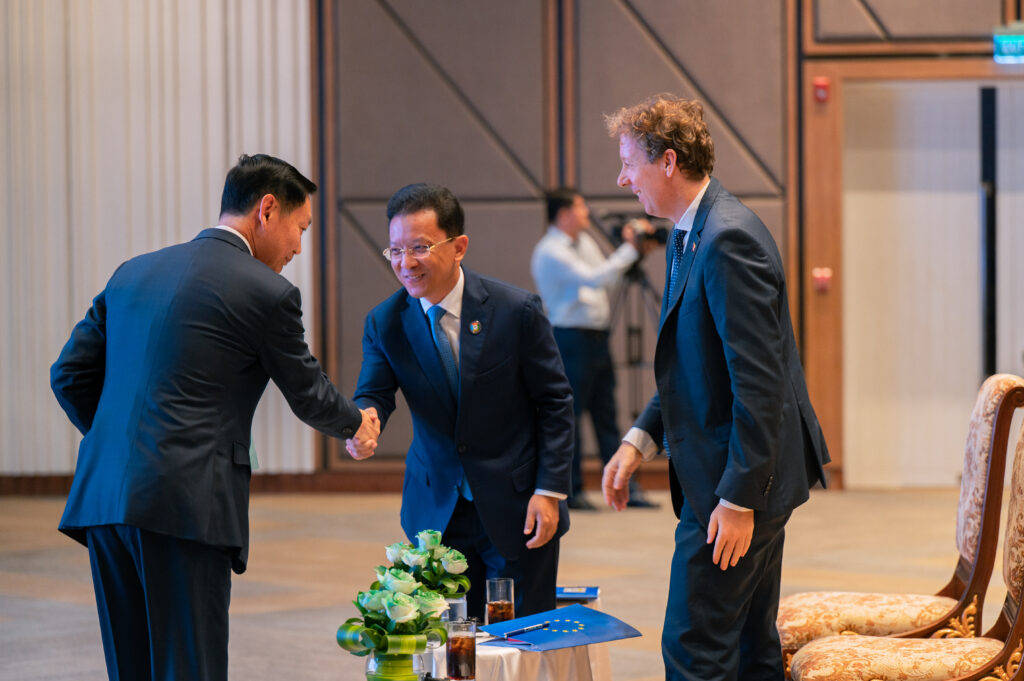
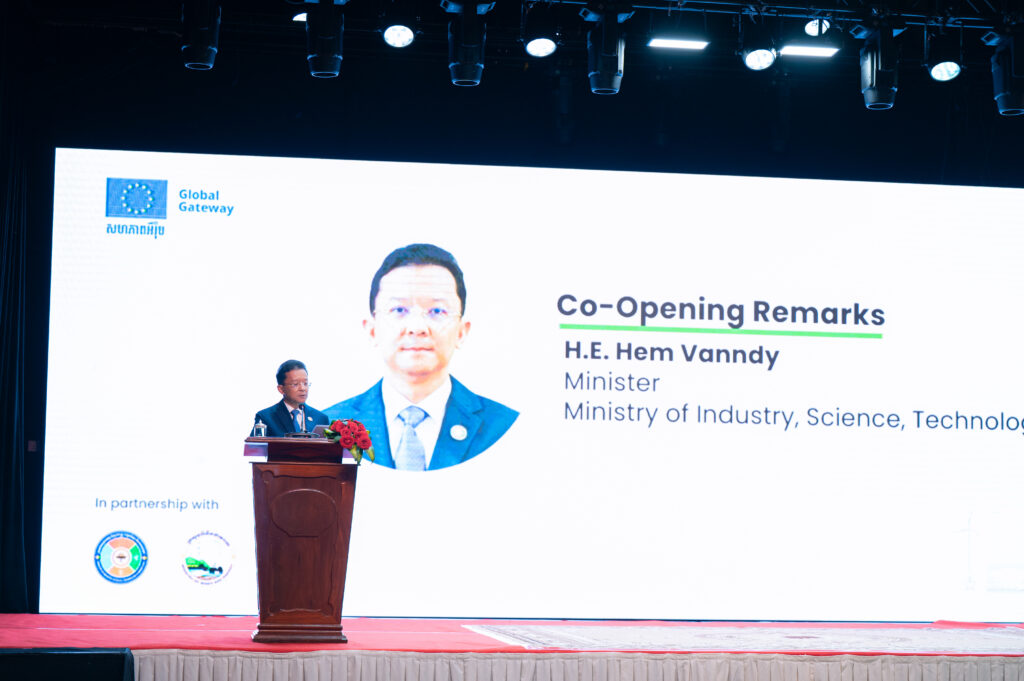
European Union Ambassador to Cambodia H.E. Igor Driesmans, Minister of Mines and Energy H.E. Keo Rottanak, and Minister of Industry, Science, Technology and Innovation H.E. Hem Vanndy launched the Cambodia-EU Partnership for Sustainable Energy Practices in Industry on 19 November.
The GFT sector accounts for about two-thirds of Cambodia’s merchandise exports and is a major employer, particularly for women. The programme aims to help factories manage energy costs and improve productivity as international markets place greater emphasis on sustainable production.
“Improving energy use in manufacturing will help our industries develop more sustainably,” Keo Rottanak said, describing energy saved through efficiency improvements as “hidden fuel”.
Programme targets policy and factory improvements
Implemented by an EU technical assistance team in collaboration with the United Nations Industrial Development Organization (UNIDO), the initiative has three main workstreams.
The first will support industrial energy-efficiency rules and standards. Planned measures include an Industrial Energy Efficiency Action Plan, an Energy Management Programme framework, an online portal for digital reporting, and minimum energy performance standards and labelling for priority industrial equipment.
Read More: CDC and EuroCham Advance Talks on Textile Recycling and Business Reforms
The second workstream will provide practical support to factories, including 210 planned energy audits and follow-up assistance to implement recommendations. Training will help factories identify and adopt energy-saving measures, while the programme will also address workplace issues linked to energy use, including heat stress, poor lighting, noise and inadequate ventilation.
Hem Vanndy said the partnership would help factories build technical capacity and adopt cleaner production practices, translating national policy into changes on factory floors.
Green finance and LDC transition
The third workstream aims to help industry associations prepare investment-ready projects, connect factories with green finance and support the development of an energy service company market in Cambodia.
The programme supports Cambodia’s National Energy Efficiency Policy and contributes to the country’s Garment, Footwear and Travel Goods Strategy and its Resource Efficiency and Cleaner Production Strategy and Action Plan 2021–2030.
Driesmans said more sustainable and energy-efficient manufacturing could help businesses reduce costs, improve productivity and respond to changing market expectations as Cambodia prepares to graduate from least developed country status.
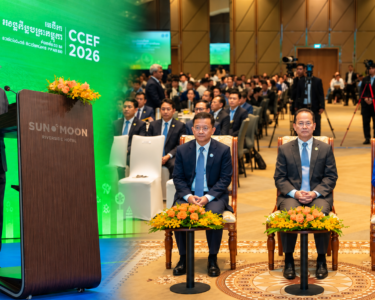
More than 150 government representatives, development partners, industry associations and business leaders attended the launch, where officials presented plans for energy-management rules, equipment standards, factory audits and financing support.