
Cambodia Investment Review
Cambodia is calling for more predictable climate finance and continued access to concessional funding as it prepares for COP31, with civil society groups warning that the country’s planned graduation from least developed country status could complicate efforts to fund climate adaptation.
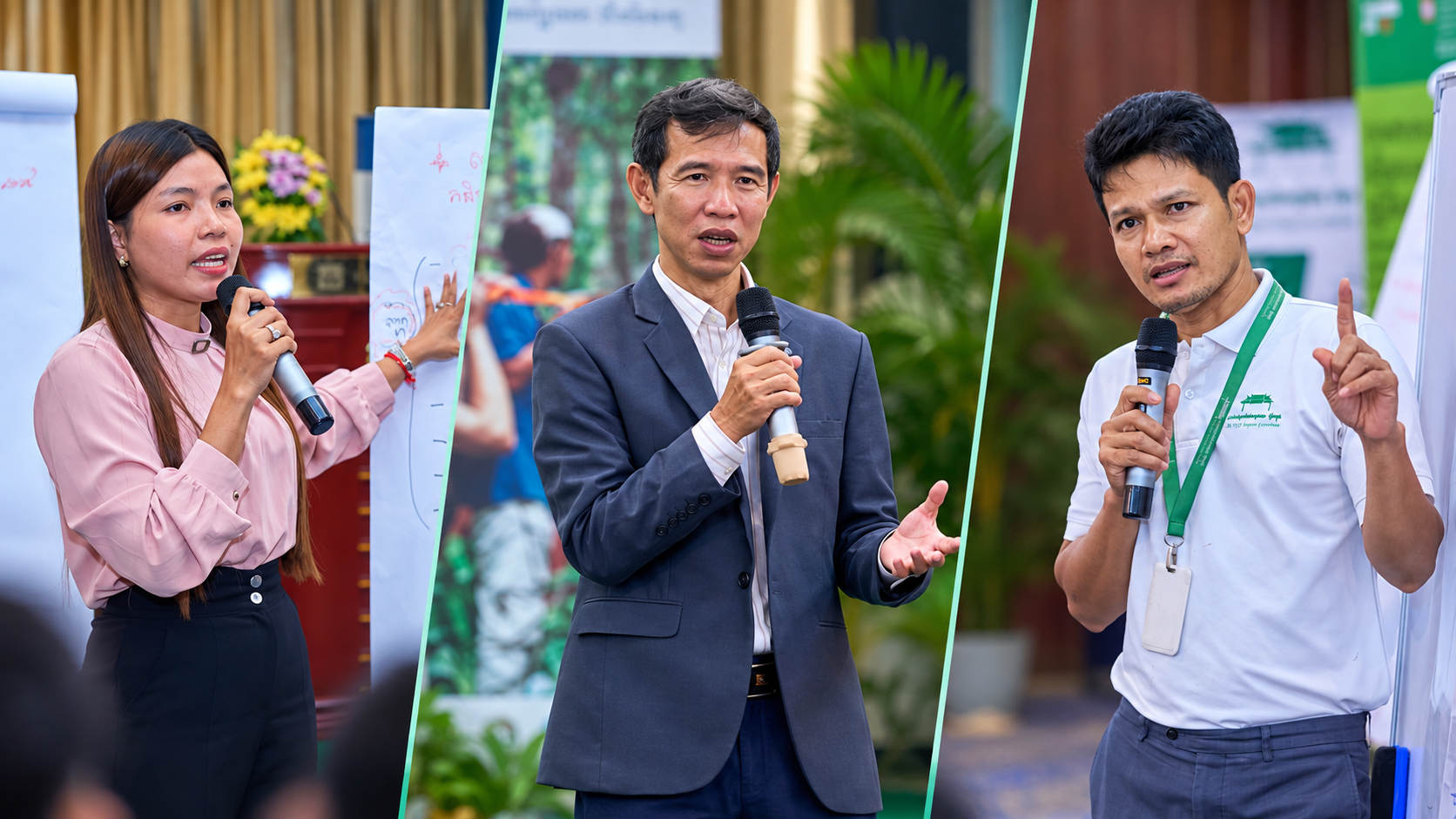
The priorities emerged from a national consultation in Phnom Penh on Wednesday, convened by the NGO Forum on Cambodia in partnership with Oxfam. About 80 representatives from government, civil society, communities, academia, businesses and development partners attended.
The meeting was intended to help shape a coordinated Cambodian position for COP31, scheduled for Nov. 9–20 in Antalya, Türkiye. Participants discussed how the country can pursue its climate commitments while protecting livelihoods, food security and economic development.
Financing the transition
A central concern was whether Cambodia can retain access to affordable climate funding as it moves toward graduation from least developed country status. Participants called for more grant-based adaptation finance, easier access to the Loss and Damage Fund, and technical support for implementing Cambodia’s third Nationally Determined Contribution, or NDC 3.0.
Read More: Cambodia and UNDP Target Climate Investment as $40 Million in Financing Finalized
“COP31 must deliver grant-based, predictable, and debt-resilient finance,” said Sophoan Phean, national director of Oxfam in Cambodia. She said Cambodia’s climate goals include a 55% emissions reduction by 2035 and carbon neutrality by 2050, but argued that higher ambition must be matched by continued international support.
For businesses and investors, the discussions also covered a just energy transition, carbon markets, green investment, climate-resilient agriculture and nature-based solutions. Participants said financing arrangements need to account for the costs faced by vulnerable communities as well as national climate targets.
Saroeun Soeung, executive director of the NGO Forum on Cambodia, called for resources to reach local communities more directly. Community participant Channy Yem, from Stung Treng province, described how unpredictable weather is damaging harvests and increasing household debt.
A position for COP31
The consultation’s morning session gathered recommendations from a broad range of stakeholders. In the afternoon, representatives from the Ministry of Environment, other ministries and partner organizations reviewed those inputs to help build consensus around Cambodia’s COP31 position.
Among the recommendations were continued climate finance access for countries graduating from least developed status, more support for adaptation, and greater recognition of freshwater ecosystems, including the Mekong River and Tonle Sap Basin, in global adaptation efforts.
The organizers said the consultation would inform Cambodia’s engagement at COP31, where some participants plan to bring those priorities directly to the negotiations.