
Cambodia Investment Review
The Asian Development Bank (ADB) has approved a US$250 million emergency financing package for Cambodia aimed at cushioning the economy from the impact of the Middle East conflict, supporting vulnerable households, preserving economic growth and accelerating longer-term investments in energy security and resilience.
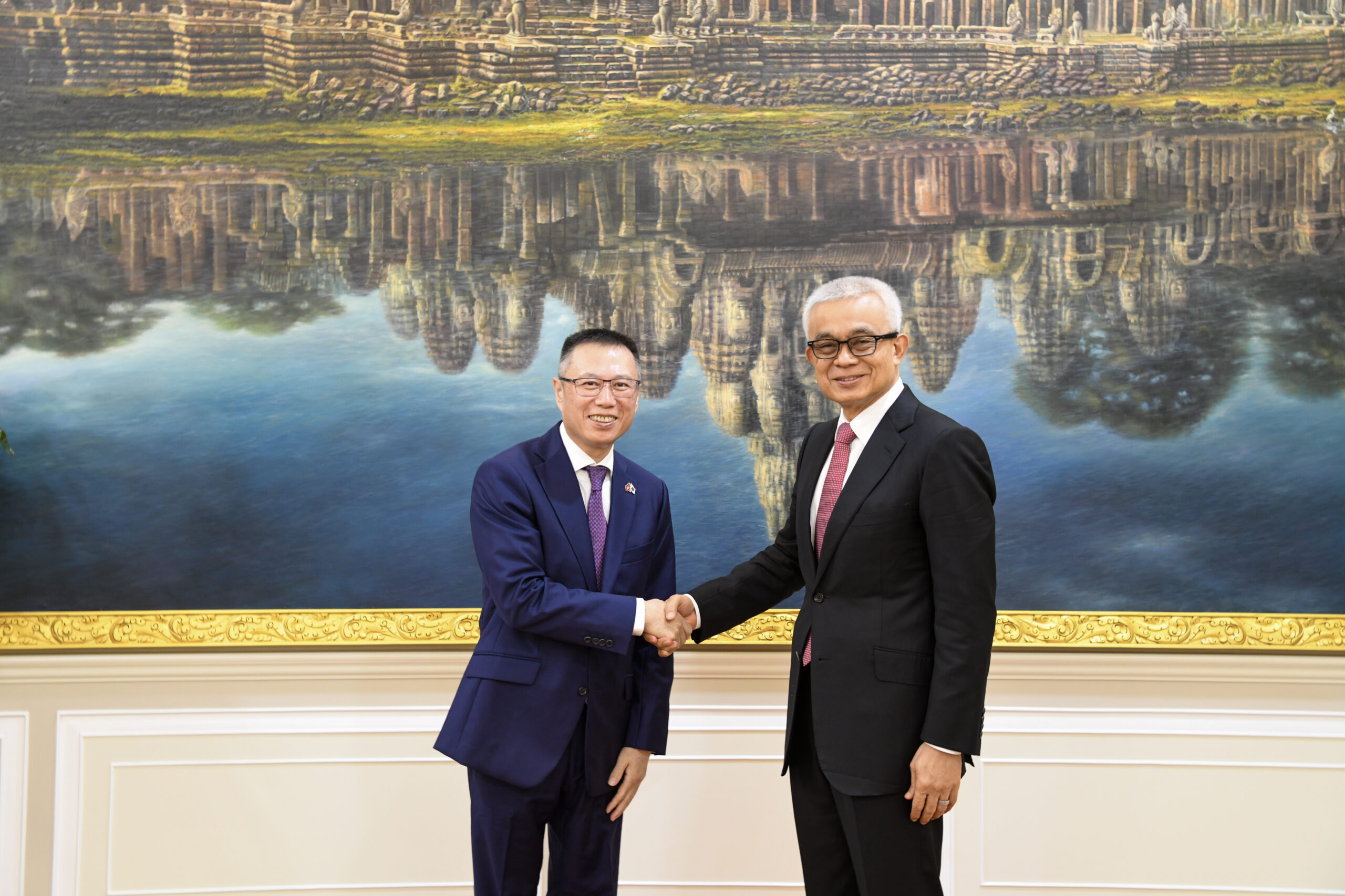
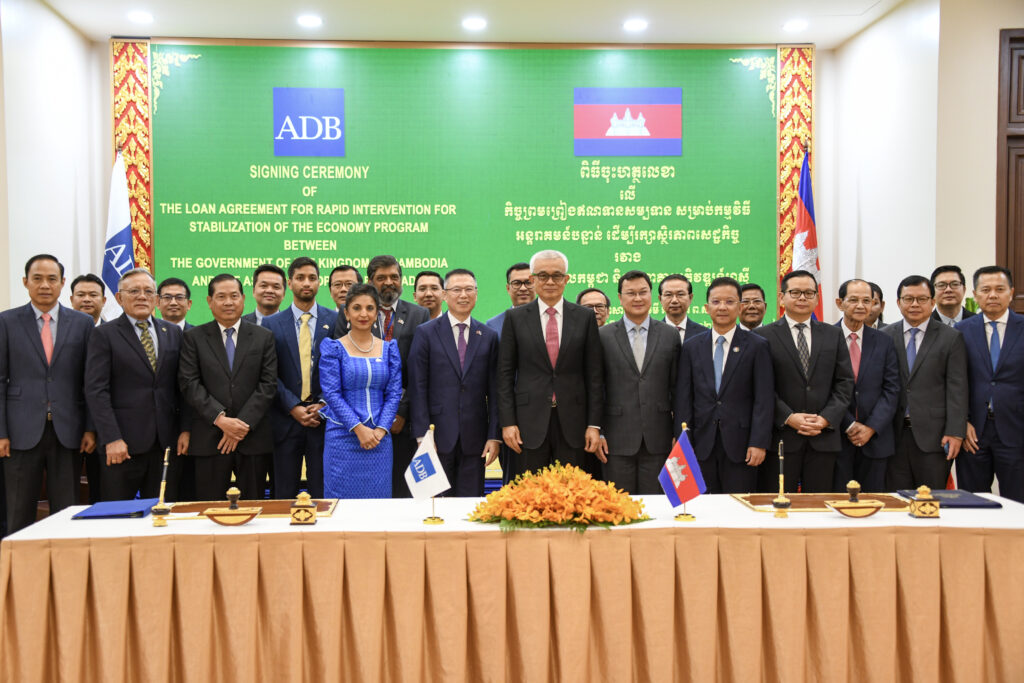
The financing, announced following the signing of the Rapid Intervention for Stabilization of the Economy (RISE) Program, marks the first operation approved under ADB’s revised emergency support policy and represents one of Cambodia’s largest recent multilateral economic stabilization packages.
The program comes as Cambodia faces rising imported fuel and food costs caused by geopolitical tensions in the Middle East, placing pressure on household budgets, businesses and key sectors including agriculture, manufacturing, transport and services.
“RISE is designed not only to respond to today’s pressures, but also to strengthen Cambodia’s resilience going forward,” ADB Director General for Southeast Asia Nianshan Zhang said during the signing ceremony in Phnom Penh.
Protecting Growth While Supporting the Most Vulnerable
Unlike traditional infrastructure loans, the RISE Program is designed as a broad economic stabilization package, allowing the government to introduce temporary fiscal support measures while protecting priority spending under the 2026 national budget.
More than one million low-income households registered under Cambodia’s IDPoor program are expected to receive targeted income support, including at least 350,000 female-headed households.
The program also includes financial assistance for rural families through agricultural support, productive assets and measures intended to ease financial pressure on vulnerable communities affected by higher living costs.
ADB noted that Cambodia’s economy is particularly exposed to international commodity price movements because it imports virtually all of its petroleum products, meaning higher global oil prices quickly flow through to transport, production costs and consumer prices.
For poorer households, those pressures often translate into reduced incomes, rising debt burdens and increased unemployment risks.
Broader Economic Stimulus Beyond Immediate Relief
Beyond short-term assistance, the financing package has been structured to stimulate economic activity while supporting Cambodia’s longer-term development agenda.
Part of the program will encourage greater adoption of clean technologies, including incentives linked to electric vehicle adoption for small transport operators, while supporting broader efforts to strengthen national energy security and reduce dependence on imported fossil fuels.
ADB said future investments in agriculture, rural development and energy diversification are expected to build upon initiatives launched under the RISE Program, creating stronger links between emergency economic support and long-term structural reforms.
The bank also emphasized that the program aligns closely with Cambodia’s Pentagonal Strategy Phase I and supports the country’s ambition to graduate from Least Developed Country (LDC) status by 2029 before progressing toward becoming a high-income economy by 2050.
Part of a Much Larger Financing Package
ADB’s US$250 million loan is expected to be complemented by up to US$250 million from the Asian Infrastructure Investment Bank (AIIB) and up to the equivalent of US$188 million from the Japan International Cooperation Agency (JICA).
If fully mobilized, total financing supporting Cambodia’s stabilization program could reach approximately US$688 million, making it one of the country’s largest coordinated international economic support packages in recent years.
ADB said the rapid preparation of the program demonstrated the institution’s ability to respond quickly during external economic shocks while reinforcing confidence in Cambodia’s economic outlook.
The bank added that robust monitoring mechanisms have been built into the program to ensure funding reaches intended beneficiaries and that implementation risks can be identified early.
ADB described Cambodia as one of its long-term strategic development partners and reaffirmed its commitment to supporting investments in infrastructure, governance, technology, resilience and public services as the Kingdom continues navigating a more uncertain global economic environment.