
Cambodia Investment Review
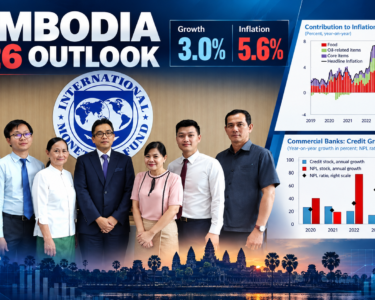
The International Monetary Fund (IMF) has completed its 2026 Article IV consultation mission to Cambodia, lowering its forecast for the Kingdom’s economic growth to 3% in 2026 as higher energy prices, weaker tourism, trade policy uncertainty and continued weakness in the real estate sector are expected to weigh on economic activity.
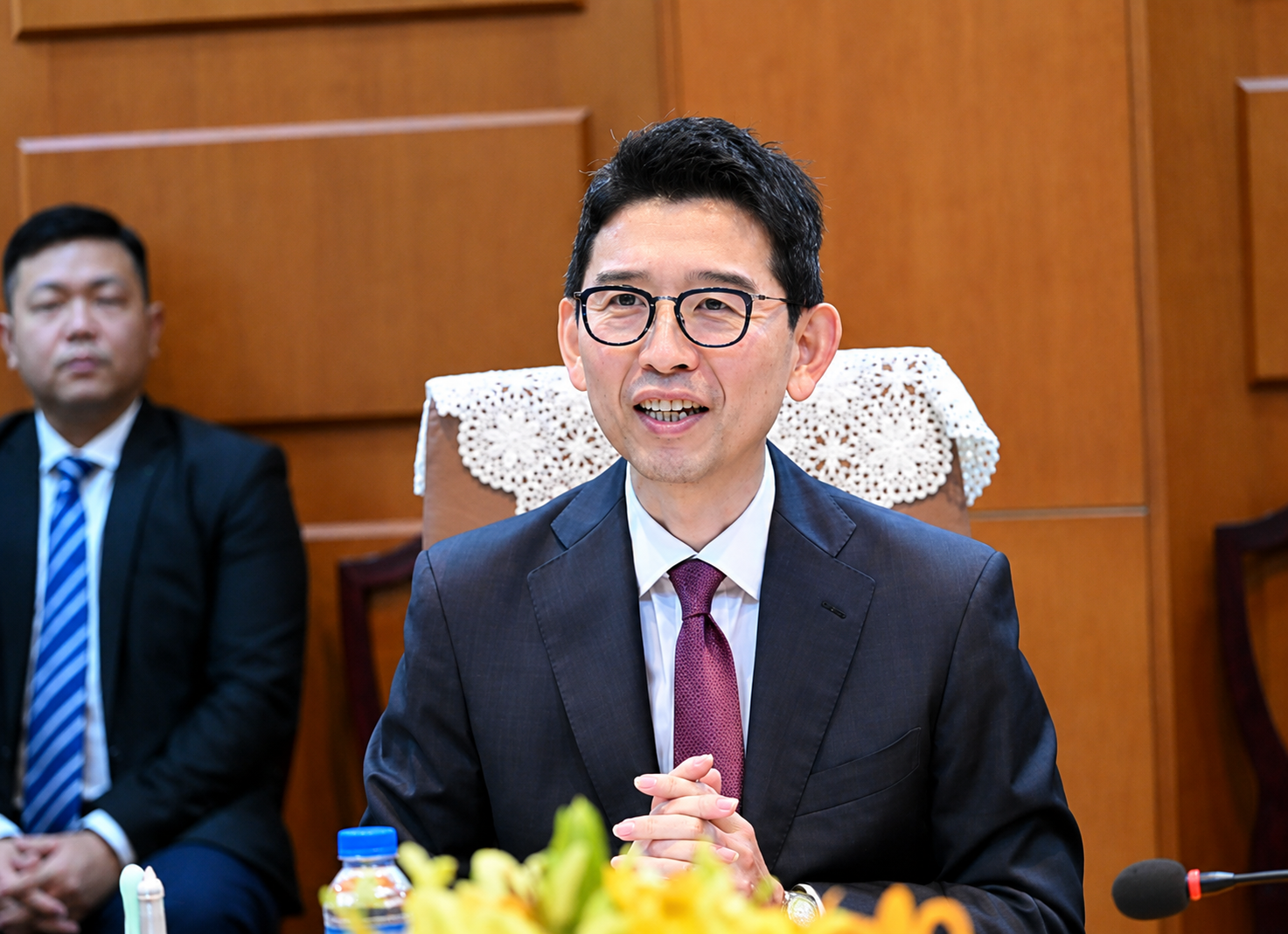
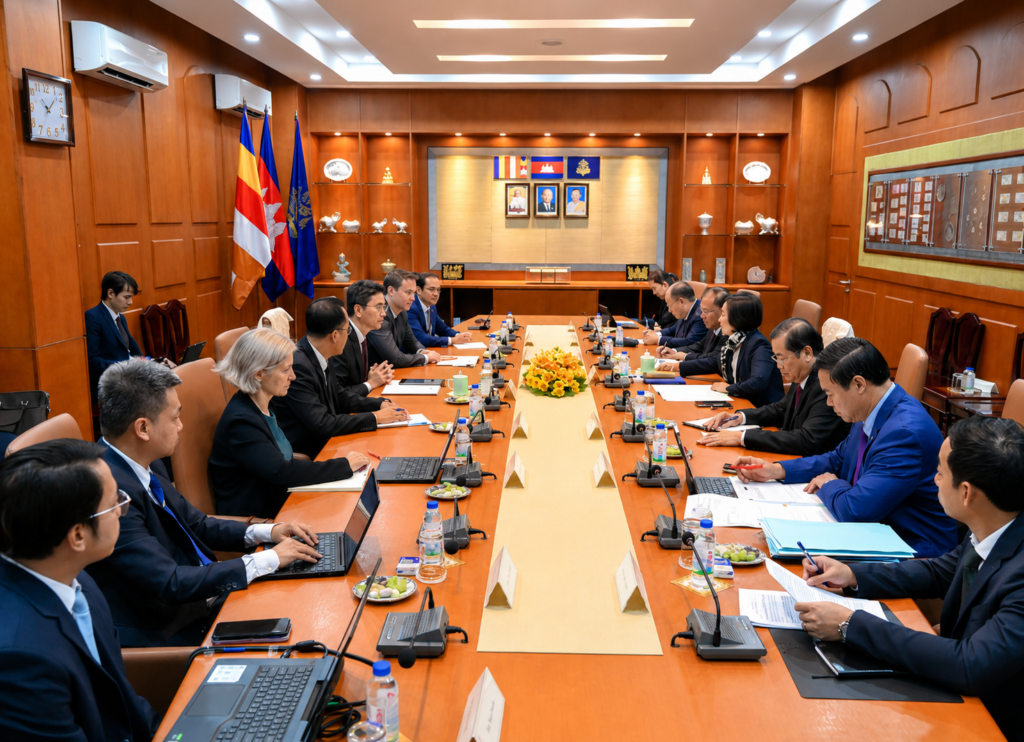
The mission, conducted between June 24 and July 8, involved discussions with senior officials from the Royal Government of Cambodia, the National Bank of Cambodia (NBC), private sector representatives and development partners. The IMF also outlined a series of fiscal, financial and structural reforms that it believes could strengthen Cambodia’s long-term growth outlook despite the current slowdown.
Growth Expected to Slow Before Recovering
According to the IMF, Cambodia’s economy has remained resilient despite successive global shocks.
Real GDP growth eased to 5.3% in 2025, down from 6.0% in 2024, supported by strong exports, foreign direct investment (FDI) and continued infrastructure investment. However, domestic demand remained subdued while construction and the real estate sector continued to struggle.
The IMF now projects growth will slow further to 3% in 2026 before recovering in 2027.
It attributed the weaker outlook to several factors, including rising global energy prices, softer external demand, uncertainty surrounding global trade policies and reputational damage associated with online scam activities, which it said have weakened tourism and increased risks to financial stability.
Inflation Accelerates on Higher Energy Prices
Inflation, which averaged 2.5% in 2025, has accelerated following higher global fuel prices and is now expected to average 5.6% in 2026 before easing next year.
Despite the inflationary pressures, the IMF noted that the Cambodian riel has remained broadly stable against the U.S. dollar, continuing to provide an important nominal anchor for the highly dollarised economy.
Fiscal Policy Should Cushion Short-Term Shocks
The IMF said fiscal policy should be used to help households and businesses manage near-term economic challenges while maintaining medium-term fiscal discipline.
Rather than relying on broad fuel subsidies, the Fund recommended temporary and targeted support for vulnerable households and affected businesses, with broader fuel-related assistance gradually phased out as conditions improve.
To support Cambodia’s longer-term development objectives, the IMF also called for stronger domestic revenue mobilisation through improved tax compliance, better governance of tax exemptions and a broader tax base while maintaining debt sustainability.
Financial Stability Remains a Priority
The IMF warned that safeguarding financial stability should remain a key priority as pressures on bank asset quality become more visible following the end of regulatory forbearance introduced during previous economic disruptions.
The organisation identified the real estate sector as one of Cambodia’s principal financial vulnerabilities because of its close links to banks, developers, households and related businesses.
It welcomed the National Bank of Cambodia’s early supervisory interventions and encouraged authorities to continue ensuring timely recognition of losses, adequate loan provisioning and the full implementation of crisis management and bank resolution frameworks.
The IMF also urged Cambodia to strengthen efforts to address financial integrity risks through improved regulatory coordination, stronger governance and closer international cooperation to reinforce investor confidence and protect the stability of the financial system.
External Position Weakens Despite Strong Investment
The IMF said Cambodia’s external position weakened during 2025 as imports grew faster than exports and remittance inflows declined following the return of migrant workers, pushing the current account from a small surplus into deficit.
However, foreign direct investment remained strong, while international reserves continue to provide a comfortable buffer equivalent to approximately eight months of imports.
Structural Reforms Key to Long-Term Growth
Looking beyond the immediate slowdown, the IMF said structural reforms will be critical as Cambodia prepares to graduate from Least Developed Country (LDC) status.
It recommended improving the business environment, strengthening governance and the rule of law, expanding workforce skills, improving labour market absorption, diversifying exports and attracting higher-quality investment.
The Fund also highlighted the need to improve energy security and efficiency, expand renewable energy, strengthen climate resilience and enhance the quality, availability and timeliness of economic data to support better policymaking.
Downside Risks Continue to Dominate
While describing Cambodia’s economy as fundamentally resilient, the IMF said risks remain tilted to the downside.
Higher or more volatile energy prices, prolonged weakness in tourism, uncertainty surrounding global trade, climate-related disruptions and continued stress in the financial and property sectors could all weigh on economic activity over the coming year.
The IMF concluded that targeted fiscal support, prudent financial supervision and continued structural reforms will be essential to strengthening Cambodia’s resilience and laying the foundations for more sustainable long-term growth.