
Cambodia Investment Review
Technical and vocational education and training (TVET) is emerging as a practical route for young Cambodians seeking skilled employment, particularly as industries require workers with more specialised technical capabilities.
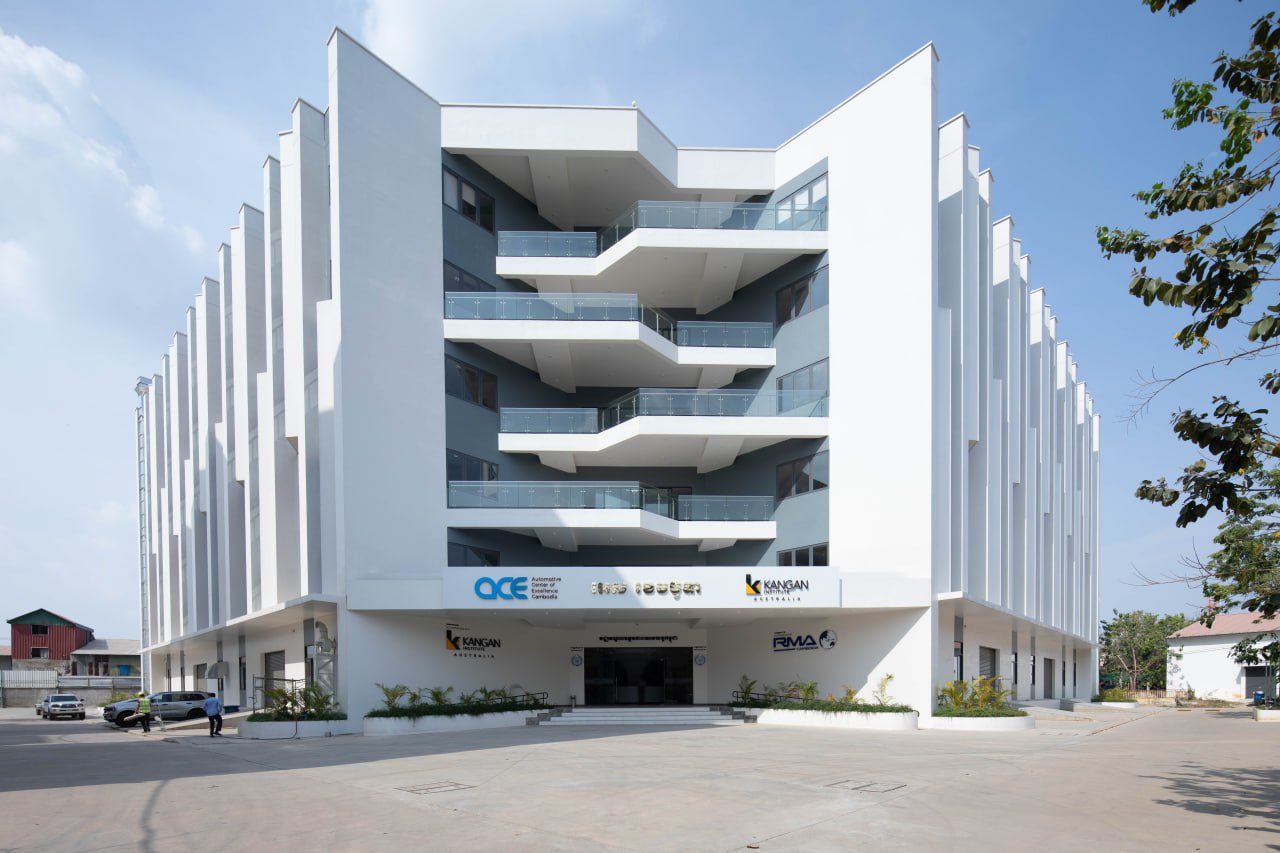
The Automotive Centre of Excellence of Cambodia (ACE-C) aims to prepare students for careers in Cambodia’s automotive sector through a combination of classroom instruction, workshop training and workplace experience.
Public-Private Partnership Supports Industry Training
ACE-C was established through a public-private partnership involving the Ministry of Labour and Vocational Training, RMA Automotive Cambodia and Australian training expertise.
Read More: Opinion – Cambodia’s Skills Revolution – Why TVET Matters Now More Than Ever
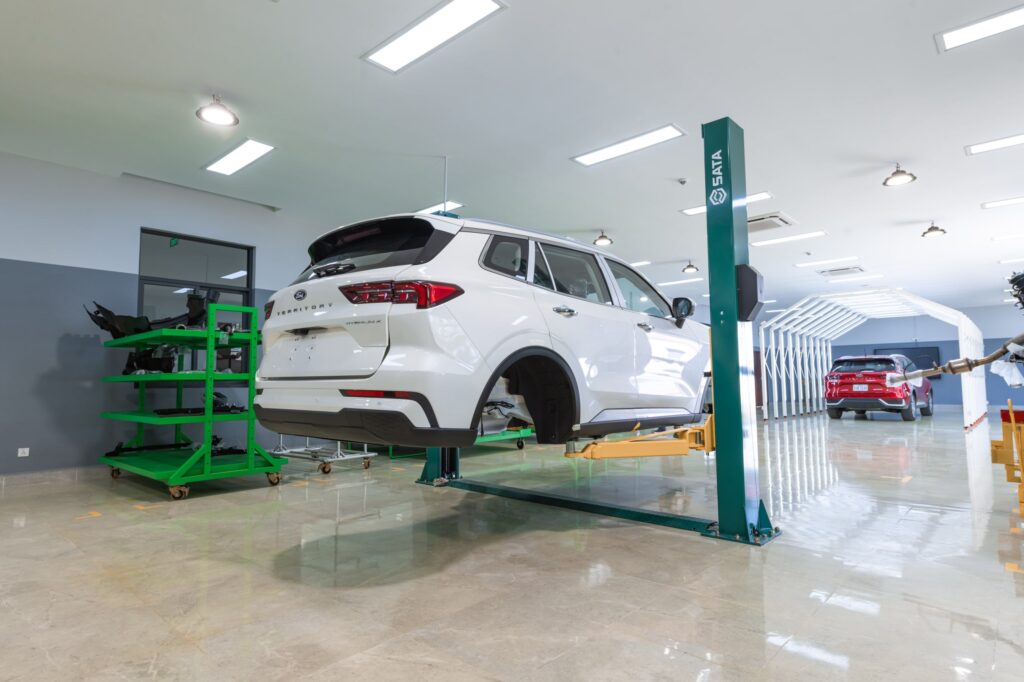
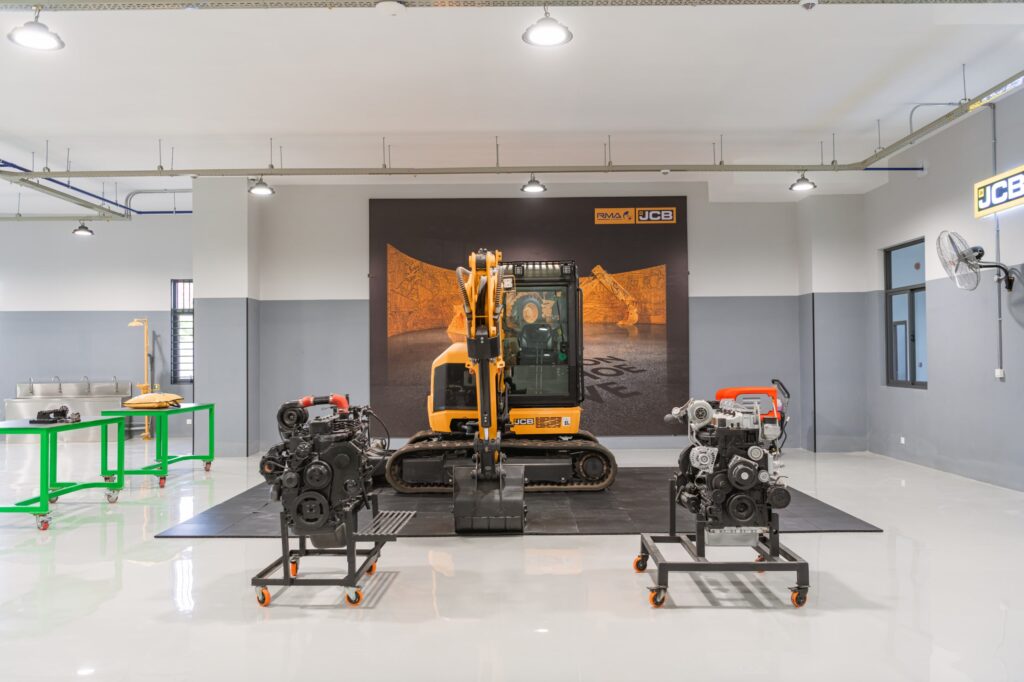
Students train using equipment and facilities designed to reflect contemporary automotive workplaces. The programme focuses on technical knowledge, vehicle diagnostics and problem-solving, alongside English, digital skills, communication and workplace readiness.
ACE-C’s trainers also receive professional development and technical support to help ensure teaching methods, assessments and course content remain relevant to current industry practices and internationally recognised standards.
New Director and CEO to Lead ACE-C
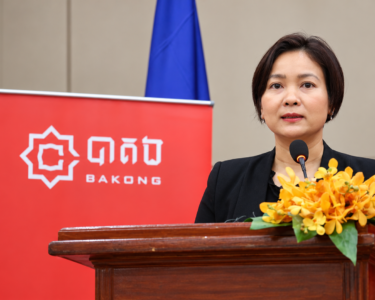
Speaking to Cambodia Investment Review during a tour of the ACE-C campus, newly appointed Director and CEO Mov Sokha outlined the Centre’s role in connecting technical education more closely with employment opportunities in the automotive sector.
Sokha brings experience in vocational education and TVET policy development. She previously served as an adviser to Minister of Labour and Vocational Training H.E. Sour Heng, contributing to TVET reform programmes, and formerly led a vocational institution with approximately 1,200 students and 300 staff.
She also holds a master’s degree in private law from the University of Rennes 1 in France. Her appointment places her in charge of ACE-C’s academic and operational development as the Centre seeks to strengthen cooperation among students, employers and training partners.
Earn and Learn Model Connects Training with Employment
A central part of the programme is its Earn and Learn model, which allows students to combine their studies with workplace experience and income.
The approach gives students an opportunity to apply their knowledge in professional settings, understand employer expectations and build industry contacts. It is also intended to create a more direct transition from training into full-time employment.
Cambodia’s automotive sector offers careers across vehicle maintenance and repair, diagnostics, bodywork, painting, customer service, workshop management and technical supervision. Demand for qualified workers is likely to evolve as vehicles and automotive systems become more technologically advanced.
Addressing Perceptions of Technical Education
ACE-C is also seeking to challenge the perception that TVET is mainly an alternative for students who do not attend university.
Technical qualifications can provide pathways into skilled employment, management and entrepreneurship, while allowing experienced workers to earn salaries that reflect their capabilities. Employment outcomes, however, will depend on training quality, industry demand and graduates’ ability to meet workplace requirements.
By bringing together government, industry and international training expertise, ACE-C provides students with a structured pathway into automotive employment. The programme reflects the broader role TVET can play in helping young Cambodians acquire practical skills, secure meaningful work and respond to the changing needs of the labour market.