
Cambodia Investment Review
Food rescue startup UMAMI has officially launched in Phnom Penh, aiming to help restaurants, bakeries and hotels recover revenue from unsold food while offering consumers discounts of between 40% and 80%.
The platform said its four-month trial attracted more than 4,000 users and sold over 1,200 “Surprise Bags,” rescuing more than 600 kilograms of food. More than 35 partner businesses have joined, ranging from neighbourhood bakeries to five-star hotels.
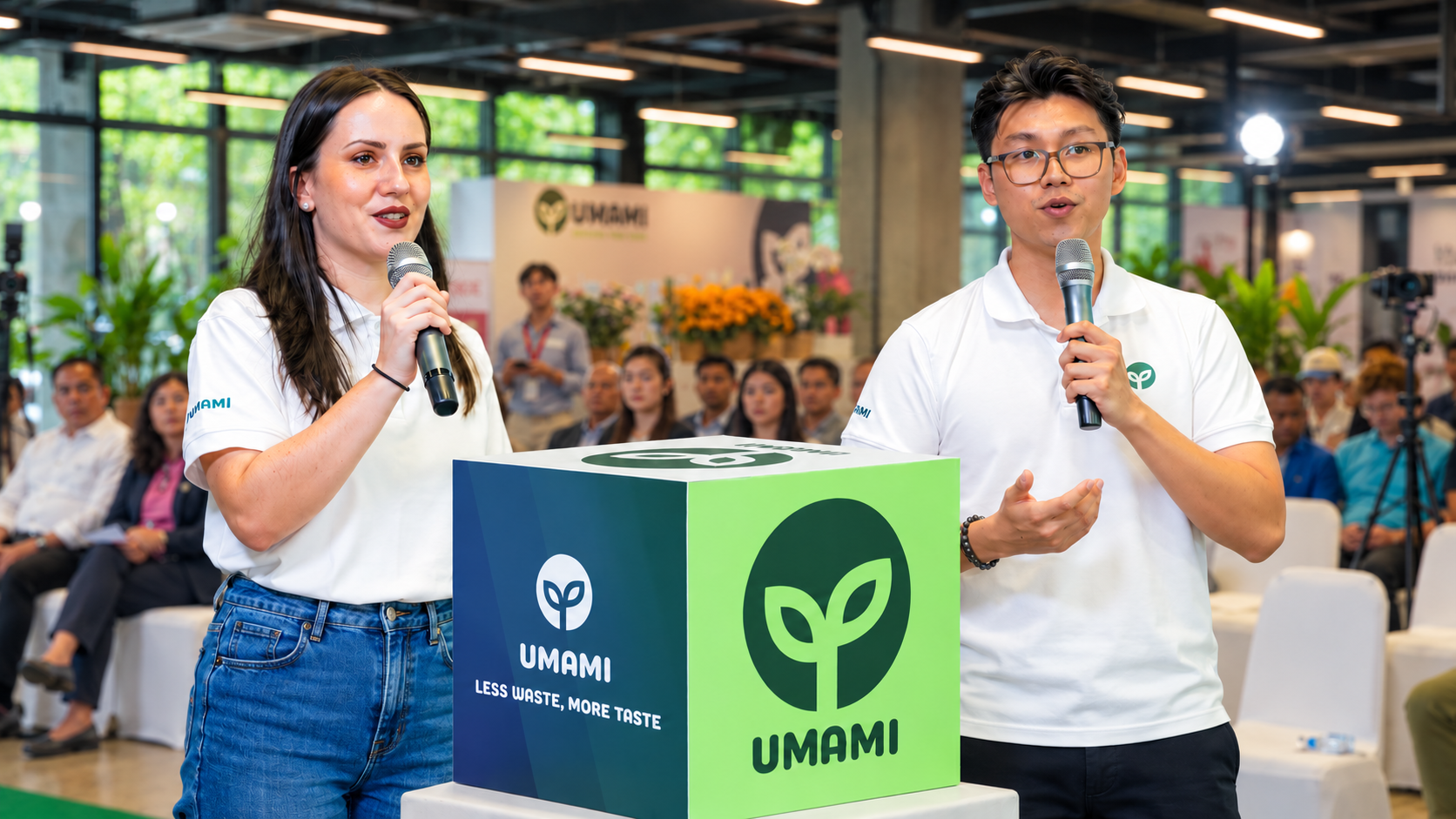
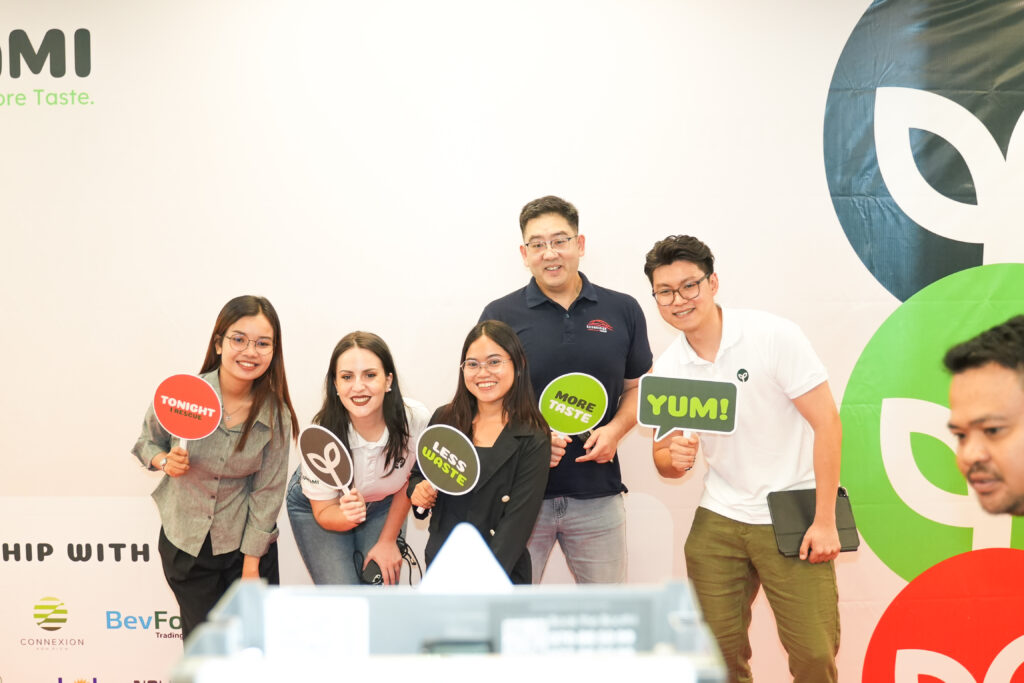
The October 26 launch at OCIC Innovation Lab, Connexion, Koh Pich, was co-hosted with the Cambodia Restaurant Association and attended by more than 100 guests from the hospitality, food and beverage, media and sustainability sectors.
Turning Unsold Food Into Revenue
UMAMI operates a marketplace connecting businesses with customers willing to buy surplus food near closing time.
Partner shops list the number of bags available and a collection window. Customers reserve and pay through ABA PayWay before collecting their purchases or arranging delivery.
The contents vary according to what remains unsold that day, allowing businesses to offer surplus products without listing each item individually.
For hospitality operators, the proposition is to recover part of the cost of ingredients, labour and energy already committed to food that might otherwise be discarded.
“Restaurants operate in a competitive environment. Every ingredient matters, and every business decision matters,” said Franz Heng, President of the Cambodia Restaurant Association.
Heng said a practical surplus food platform could help operators use resources more efficiently while reaching additional customers.
UMAMI did not disclose revenue, transaction fees or profitability figures in its launch announcement.
Early Adoption Offers Customer Acquisition Opportunity
UMAMI began its Phnom Penh trial in June 2026 with 30 shops committed before the app was available, according to the company.
Alongside its sales figures, the startup reported an average customer rating of 4.98 out of five. It estimated that the food rescued during the trial represented roughly 1,600 kilograms of avoided carbon dioxide equivalent emissions.
Co-founder and Chief Operating Officer Steven Quach said participating businesses were also seeing opportunities beyond the initial discounted purchase.
“What shop owners tell us is that this is not only recovered revenue: someone comes for a Surprise Bag, likes the food, and comes back the next week to purchase at full price,” he said.
That potential repeat business adds a customer acquisition function to the platform’s food rescue model, although the company did not provide data measuring repeat purchases at partner shops.
Co-founder and Chief Executive Officer Laurine Chateau said the idea emerged from seeing a bakery near her home discard unsold cakes each evening.
“Today we stop testing and start building a habit: a city where, at closing time, good food finds someone instead of a bin,” she said.
Hospitality Partners Back Rollout
The launch brought together industry representatives including Nicholas Ng, Founder of Food Bank Cambodia; Borom Chea, Sales Development Director at BevFood Trading; and Luc Guillot Salomon, Business Development and Sales Manager at Celliers d’Asie.
Partner businesses demonstrated the platform’s offering through a buffet featuring contributions from Pokoh, Sushi Setto, Nourish, Khéma of Thalias Hospitality, Chez Shige, Backyard Café, Paris Bakery, Bai Sor and Java Creative Cafe. Daily Marché supplied juices, while Celliers d’Asie provided cocktails.
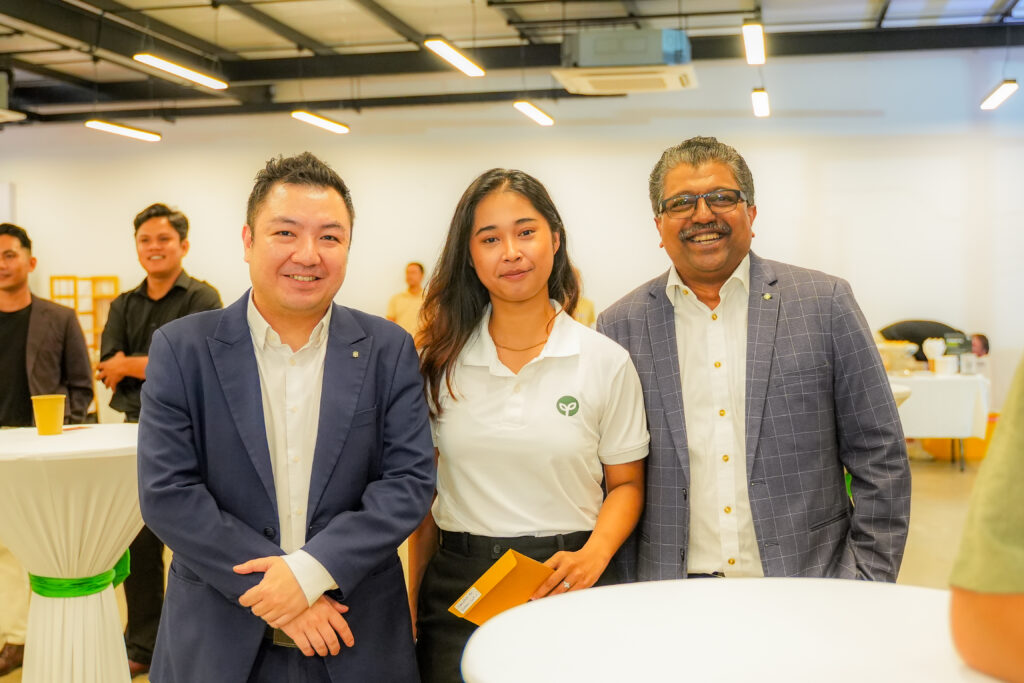
Karen Finnerty, Growth and Partnerships Director APAC at The Sustainable Restaurant Association, also welcomed the initiative, highlighting the opportunity for hospitality operators to reduce the environmental impact of surplus food.
The launch received support from OCIC and Connexion, Food Bank Cambodia, BevFood Trading, Celliers d’Asie, Techo Startup Center, CNAI Accelerator, EuroCham Cambodia, CCI France Cambodge and La French Tech Phnom Penh.
For UMAMI, the next commercial test is whether early adoption can translate into sustained purchasing habits and a larger network of participating businesses.
Download the app here.