


The Association of Banks in Cambodia is working with regulators, financial institutions and development partners to strengthen responsible lending, improve how borrowers are treated and make support channels easier to access.
Cambodia Investment Review | Exclusive
Cambodia’s banking industry is working to make borrower protection more consistent in practice, as some households and businesses face pressure on their incomes and ability to repay loans.
The Association of Banks in Cambodia (ABC) is promoting responsible lending standards, fair debt collection and clearer communication between lenders and customers. The work includes developing industry guidance, training lending and recovery staff, and encouraging member institutions to assess repayment capacity and handle customer concerns fairly.
“Borrowers should receive clear information, have their repayment capacity properly assessed and be treated fairly throughout the loan, including when they face difficulties,” said Mr. Sok Chan, Head of Strategic Communications at the Association of Banks in Cambodia.
ABC works with the National Bank of Cambodia (NBC), the Cambodia Microfinance Association (CMA), member institutions and development partners on the Banking and Financial Institutions’ Code of Conduct, lending guidelines and standard loan contracts. A joint ABC–CMA statement in October reported more than 48,000 participants in responsible lending training.
The next step is making sure those standards and training translate into borrowers’ everyday experience.
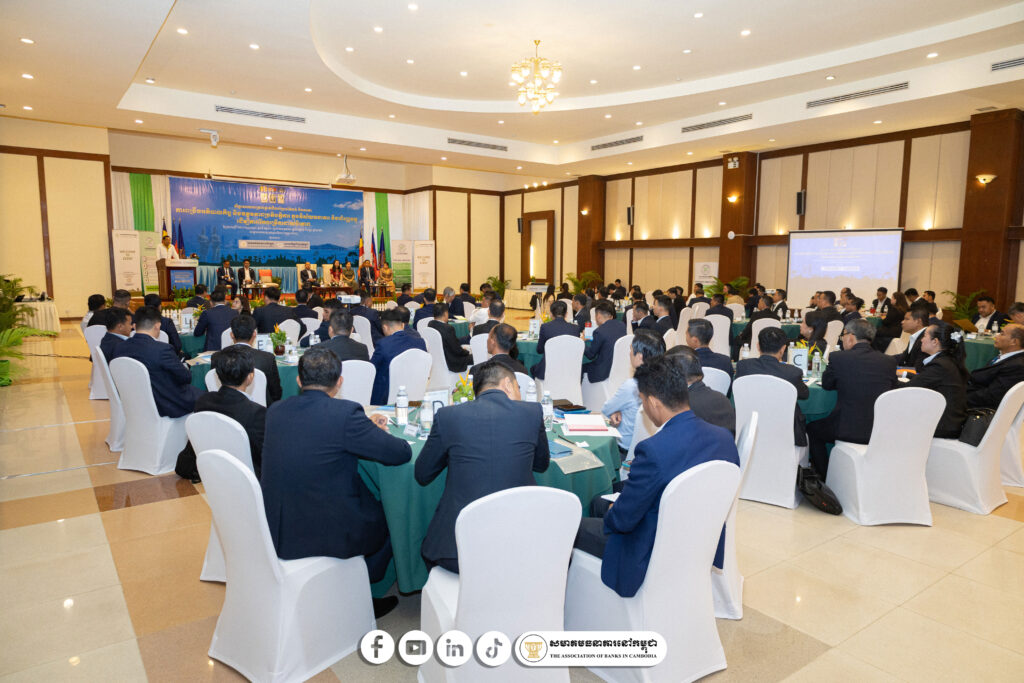
From Industry Standards to Everyday Practice
ABC promotes responsible lending and fair debt collection through industry standards, workshops and training for lending and recovery staff. The Code of Conduct, sectoral incentive framework and ethics guidelines for credit-related officers provide a foundation for that work.
Member institutions are expected to apply the standards through staff supervision, incentives and complaint handling. This means assessing whether a customer can afford a loan, explaining its terms clearly and treating borrowers respectfully during collection.
“Threats and coercion are unacceptable,” Mr. Sok Chan said.
ABC can promote standards and follow up on concerns, while each institution remains responsible for its staff’s conduct. NBC retains its regulatory and supervisory role.
Training is one part of implementation. Assessments and borrower feedback can also help identify problems that training alone may not reveal, including gaps in how staff apply policies or respond to customer concerns.
What the industry’s borrower-protection work covers
- Responsible lending: Assessing a borrower’s repayment capacity before extending credit.
- Clear loan information: Explaining loan terms, fees and conditions in language customers understand.
- Fair collection practices: Requiring respectful treatment and rejecting threats or coercion.
- Staff accountability: Applying standards through supervision, incentives and complaint handling.
- Customer support: Helping borrowers understand where to raise concerns and seek assistance.
Helping Borrowers Facing Repayment Pressure
ABC encourages borrowers who are struggling to contact their lender early and explain their circumstances. This gives the institution an opportunity to assess the borrower’s position and consider whether revised terms could create a sustainable repayment plan.
Restructuring is considered case by case and is not automatic. Any revised arrangement should reflect the borrower’s actual repayment capacity and the likelihood that the new terms can be maintained.
A longer repayment period may lower instalments but increase the total interest payable. Lenders should explain those implications clearly before a borrower agrees to revised terms.
Restructuring also does not automatically qualify a loan for special regulatory treatment. Applicable NBC requirements, including loan classification and provisioning, continue to apply.
The objective is a workable repayment arrangement. Repeatedly postponing payments without a realistic prospect of repayment could leave the borrower in greater difficulty.
Clearer Communication and Accessible Complaints Support
ABC promotes the use of the Code of Conduct and standard loan contracts, which require institutions to communicate loan terms, fees and conditions clearly. Staff should explain those details in language customers understand and allow time for questions.
A written contract is useful, but customers also need a proper explanation of what they are agreeing to and what the loan may cost over time.
ABC has joined NBC’s provincial workshops to promote formal banking services and raise awareness of financial literacy and consumer protection among local authorities and citizens in rural areas.
Customers should also know how to raise a complaint with their financial institution and where to seek further assistance. The Financial Consumer Protection Centre (FCPC), which operates independently of ABC and CMA, provides consumer guidance and complaint mediation. NBC’s complaint channels are another option where appropriate.
Accessible complaints support remains an important part of borrower protection, and further work is needed to ensure existing measures make a practical difference for customers.
Measuring Progress Through Customer Experience
ABC’s next priority is more consistent implementation, particularly in affordability assessments, collection practices and complaint resolution.
Progress should be judged not only by training numbers or the adoption of policies, but also by how customers are treated and whether their concerns are resolved. ABC will support continued monitoring of industry practices and follow-up on outstanding priority actions.
The NBC–UN convening in August 2026 reported that 16 of 22 priority actions had been completed, with six still being advanced. This marks progress in implementation, while the next test is whether the actions lead to lasting improvements in borrowers’ experience.
Continued assessment and borrower feedback will be important to measuring that progress.
Building Trust Through Practical Action
ABC’s work forms part of a broader effort to support a financial sector that contributes to Cambodia’s sustainable economic development while upholding responsible business conduct and protecting financial consumers.
For borrowers, this means receiving clear explanations before signing a loan, being assessed according to their repayment capacity and having a fair process to discuss difficulties or raise concerns. For financial institutions, it means applying those standards in staff supervision and customer service.
Consistent implementation, accountability and practical action will be central to earning public trust, the association said. The lasting measure of the industry’s borrower-protection efforts will be whether customers experience clearer information, fairer treatment and effective support when they need it.