
Cambodia Investment Review
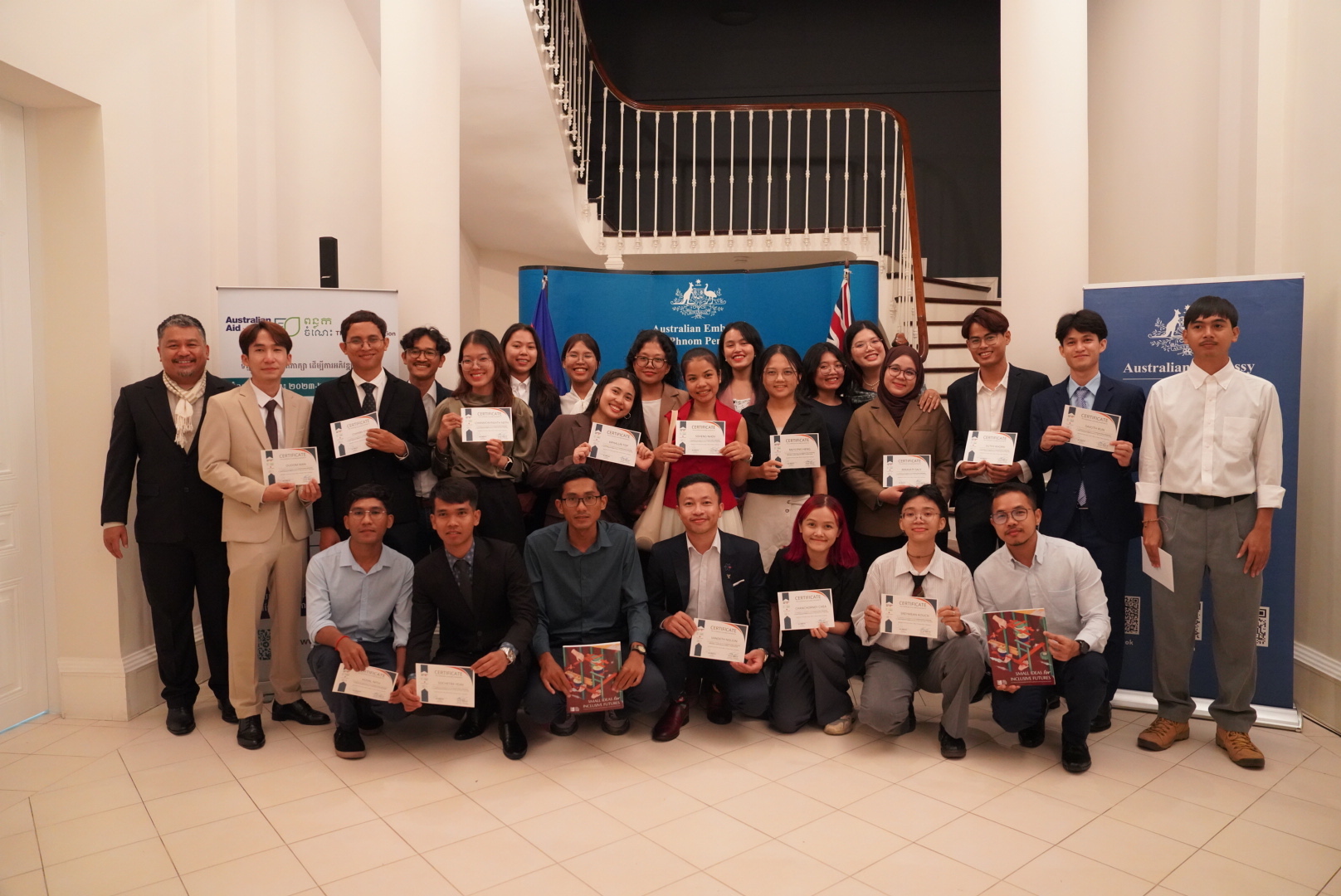
Cambodia’s future economic competitiveness will depend not only on infrastructure and investment, but also on the quality of ideas shaping public policy, according to stakeholders gathered this week for the graduation of 28 young researchers under the Inclusive Policy Fellowship 2025.
Hosted by Future Forum in partnership with the Australian Government and The Asia Foundation, the graduation ceremony also marked the launch of Small Ideas for Inclusive Futures, a publication featuring 30 policy proposals developed by fellows over the past year.
The initiative forms part of the Australian Government-funded Ponlok Chomnes II: Data and Dialogue for Development in Cambodia program, which aims to strengthen the country’s policy research ecosystem and encourage evidence-based decision-making.
Building Human Capital for Cambodia’s Next Growth Phase
As Cambodia seeks to transition towards upper-middle-income status and diversify its economy, policymakers and development partners increasingly view investment in human capital and research capacity as critical components of long-term growth.
Read More: Australia–Cambodia Education Partnership Expands with Launch of UNSW Foundation Program
The fellowship brought together a diverse cohort of young Cambodians, including women, indigenous representatives and LGBTQ+ advocates, providing them with intensive training in policy analysis, research methodologies and public engagement.
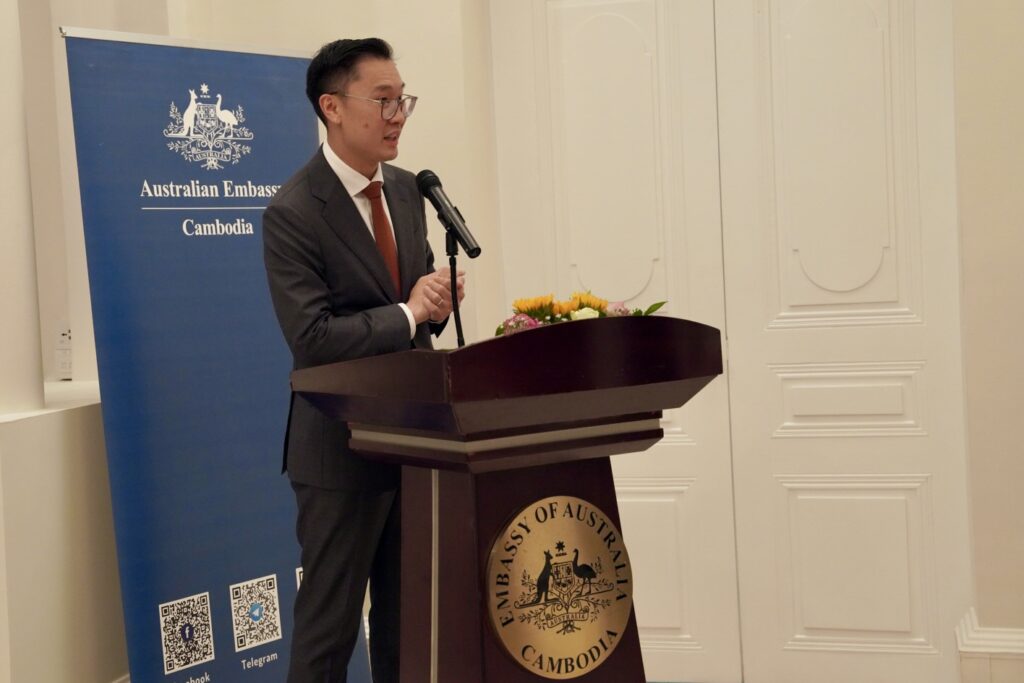
Australian Ambassador to Cambodia Derek Yip said Cambodia’s youthful population represents one of the country’s greatest strategic advantages, highlighting the importance of creating opportunities for young people to contribute to national development discussions.
According to Ambassador Yip, the fellowship aligns with Australia’s broader support for Cambodia’s future leaders and workforce development, while encouraging evidence-based solutions to complex policy challenges.
Policy Ideas Target Economic and Social Challenges
The fellows’ research explored a range of issues with implications for Cambodia’s future economic and social development, including progressive taxation, decentralised public spaces, digital basic income models and gender-responsive infrastructure.
The newly launched publication examines six thematic areas: equal citizenship, social protection, economic inclusion, education and future careers, public health and human wellbeing, and the design of more inclusive communities.
Many of the policy proposals seek to address structural challenges facing Cambodia as it navigates economic transformation, urbanisation and changing workforce demands.
Strengthening Cambodia’s Knowledge Economy
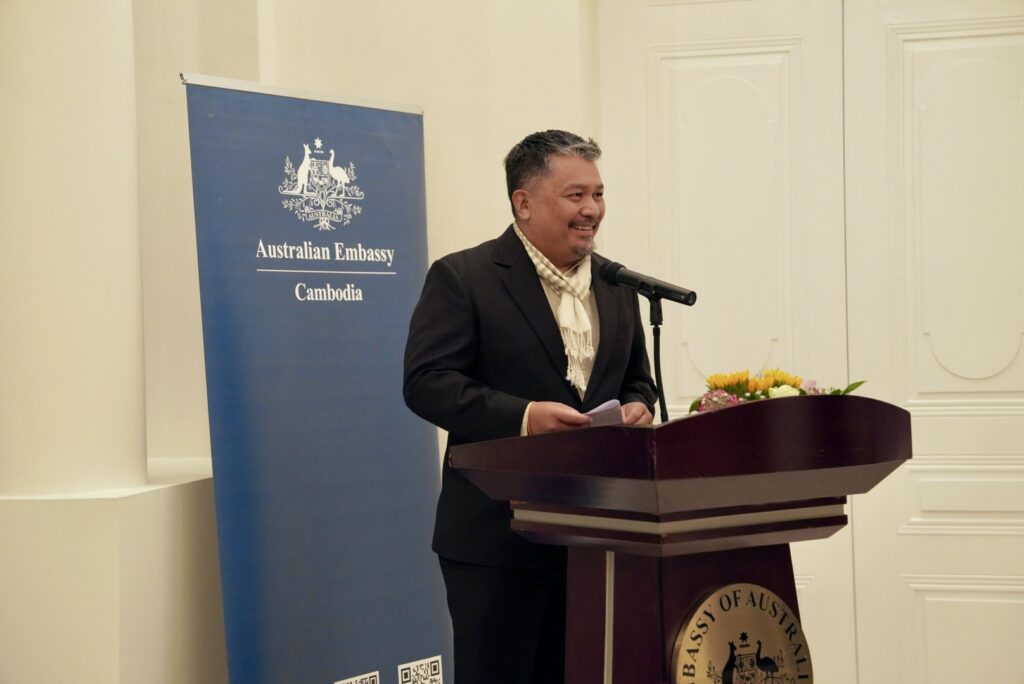
Dolgion Aldar, Program Director of Ponlok Chomnes II, said the fellowship demonstrates the value of empowering young researchers to participate in public policy debates and contribute evidence-based recommendations.
She noted that many fellows have already taken their research beyond the classroom, engaging with national media, public forums and policymakers to help inform discussions on Cambodia’s future development.
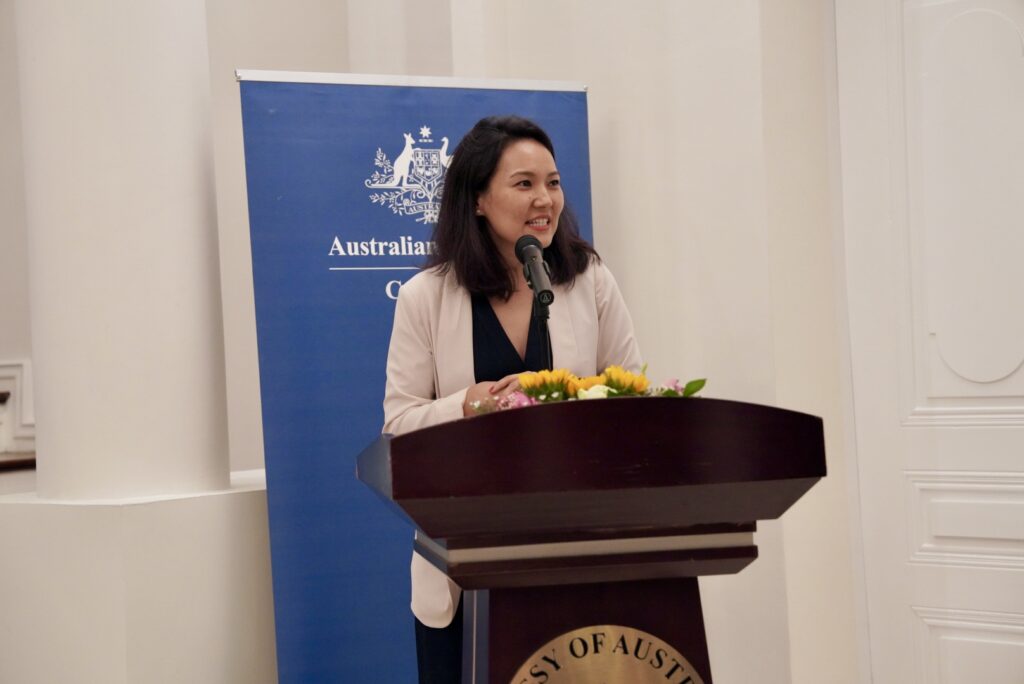
The graduation ceremony included the presentation of certificates, the official unveiling of the publication and presentations from selected fellows reflecting on their research journeys and policy recommendations.
As Cambodia’s economy becomes increasingly sophisticated and integrated into regional and global markets, initiatives such as the Inclusive Policy Fellowship are helping to strengthen the country’s knowledge economy by cultivating a new generation of researchers, analysts and future leaders capable of contributing to evidence-informed policymaking.
The Ponlok Chomnes II program is implemented by The Asia Foundation and focuses on strengthening collaboration between policymakers, researchers and communities while promoting gender equality, disability inclusion and broader social inclusion across Cambodia’s development landscape.