
Cambodia Investment Review
Cambodia’s ongoing Huione Pay customer dispute is highlighting the need for clearer civil mediation and consumer resolution mechanisms as the Kingdom’s broader financial sector navigates a more challenging operating environment in 2026.
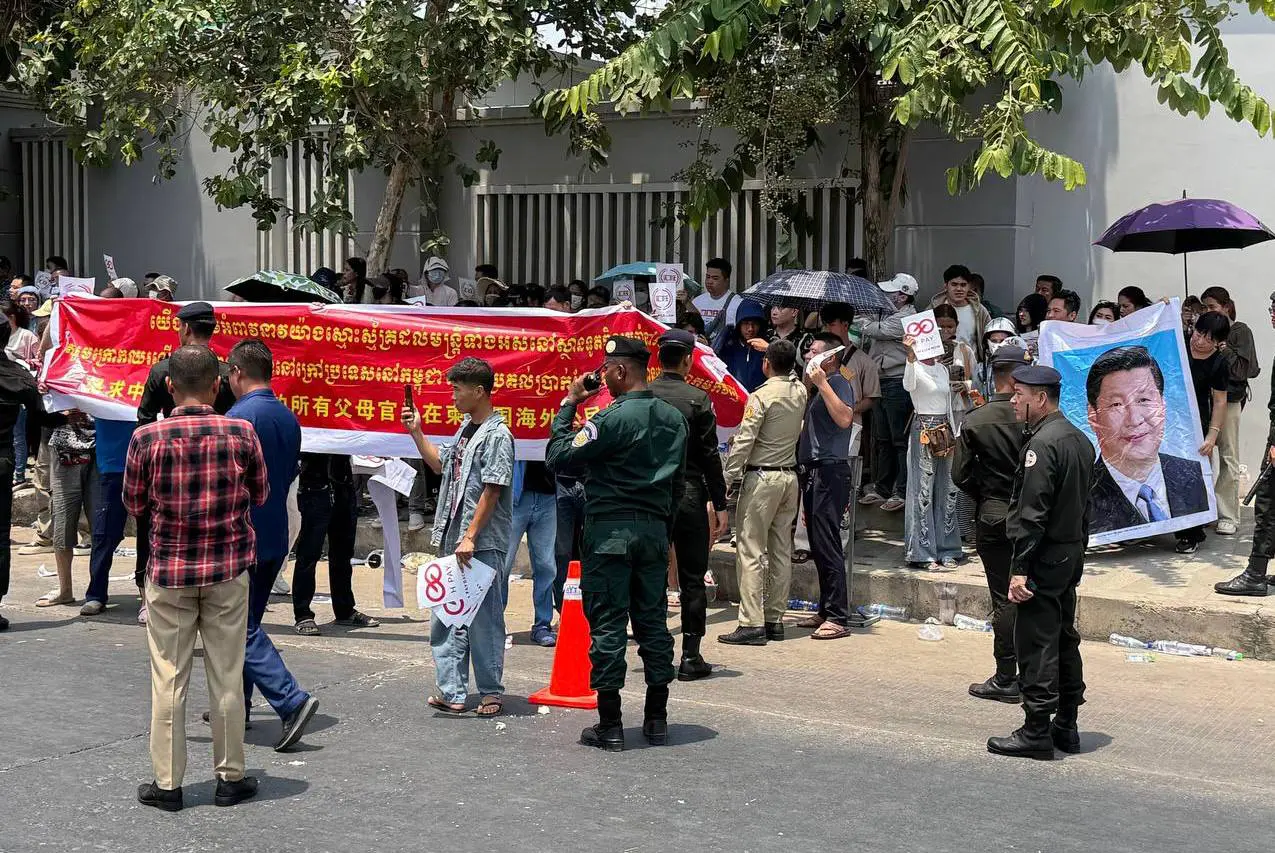
Dozens of customers again gathered outside the National Bank of Cambodia this week seeking updates on funds tied to collapsed payment platform Huione Pay, underlining frustrations over delayed recoveries and the lack of a visible pathway for small depositors and users to pursue claims.
While the Huione Pay case is separate from Cambodia’s licensed commercial banking system, analysts say it offers a wider lesson: as credit conditions tighten, real estate stress continues, and weaker institutions face pressure, disputes involving customers, lenders, and payment operators may become more common in the months ahead.
Need for Faster Civil Resolution Channels
For many consumers and small businesses, court proceedings can be expensive, slow, and difficult to navigate. That has increased calls for stronger mediation systems that allow financial disputes to be handled more quickly and at lower cost.
Possible options could include independent ombudsman-style services, industry mediation panels, structured repayment frameworks, or clearer liquidation communication requirements for failed institutions.
Such systems are common in more mature markets, where regulators aim to resolve disputes before they escalate into protests, reputational damage, or wider confidence concerns.
Pressure Building Across Financial Sector
Cambodia’s banking and finance industry remains well-capitalized overall, but parts of the market continue adjusting to slower credit growth, softer property activity, and more cautious borrowers.
Non-bank lenders, payment firms, and smaller operators may face particular pressure if liquidity tightens or customer confidence weakens.
That does not imply systemic risk, but it does suggest more isolated customer disputes, restructurings, and claims processes could emerge as weaker players struggle.
Confidence Depends on Process
For investors, Cambodia’s long-term appeal still rests on strong demographics, dollarization, regional trade access, and growth potential. However, confidence also depends on whether disputes can be handled fairly, transparently, and efficiently.
The Huione Pay case may therefore become a useful policy reminder: modern financial markets need not only growth, but trusted systems to manage failures when they occur.
As Cambodia continues expanding digital finance and private credit markets, building stronger civil mediation channels could help protect consumers, reduce pressure on regulators, and preserve confidence during a more demanding economic cycle.