
Cambodia Investment Review
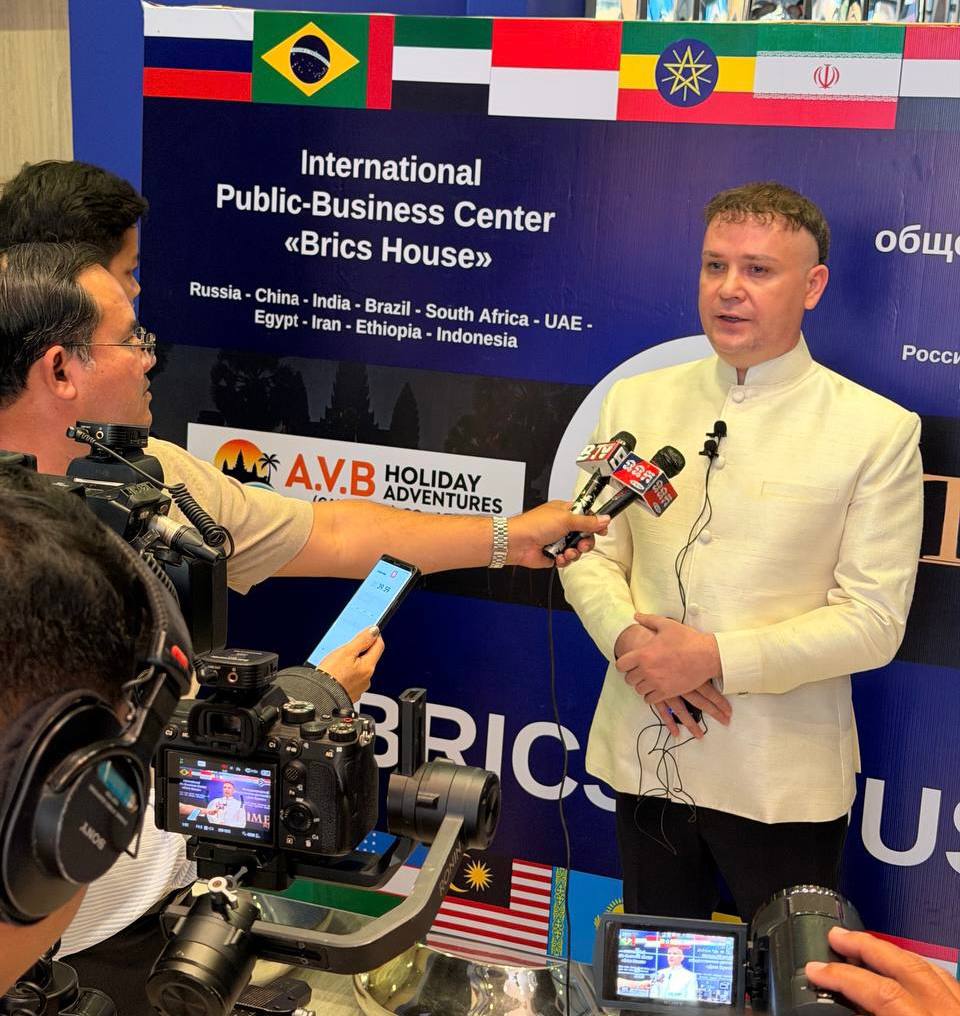
Phnom Penh’s condominium market has evolved significantly over the past decade, shaped by foreign capital inflows, local buyer growth, and shifting economic cycles. At the center of this transformation is Vladimir, founder of the Time Square condominium series, who has also spent more than a decade building tourism businesses that have brought hundreds of thousands of visitors into Cambodia.
In a this Leader Talks conversation with Cambodia Investment Review, Vladimir reflected on his journey into the Kingdom, the philosophy behind the Time Square brand, the evolution of buyer confidence, and the broader responsibility he believes business leaders carry in shaping Cambodia’s future.
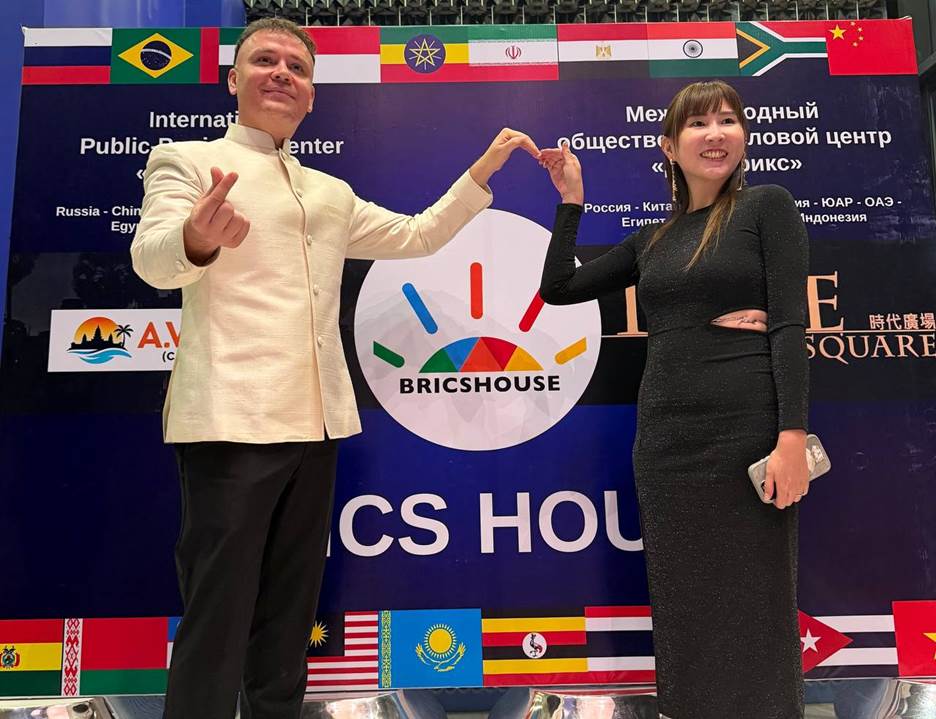
Personal Journey into Cambodia
Vladimir first arrived in Cambodia in 2012 as a tourist. At the time, he was operating successful tourism businesses in Thailand and Vietnam. However, a visit to Siem Reap and the ancient temple complex of Angkor Wat left a lasting impression.
“The first time I visited Cambodia, I was totally amazed by the magical beauty and special energy of Angkor Wat,” he said. “I felt it was the place and country I wanted to live in.”
Beyond the temples, he was drawn to the Kingdom’s broader cultural and natural assets — from royal palaces and French colonial architecture to beaches, islands, rivers and waterfalls. Most importantly, he highlighted what he describes as the warmth of the Cambodian people.
Despite having established tourism operations elsewhere in Southeast Asia, Vladimir made the decision to relocate to Cambodia. He said the move was driven by both emotion and a long-term vision that the country held significant untapped potential. Over the years, his tourism operations have brought large numbers of visitors to the Kingdom, many of whom later returned to live, invest or retire.
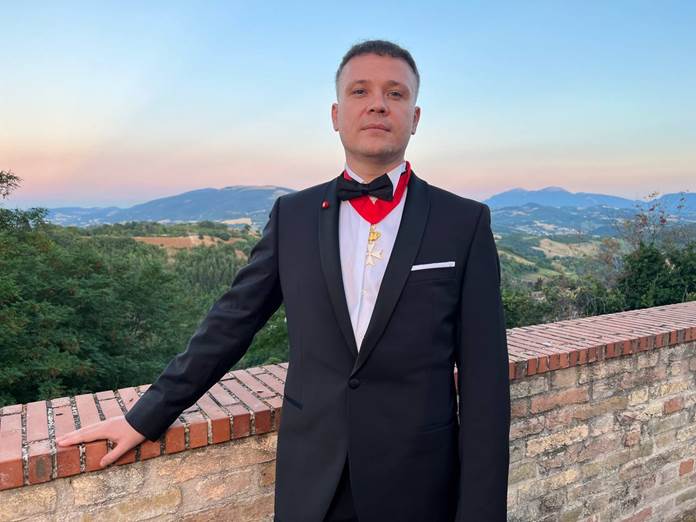
Building the Time Square Condominium Series
Time Square has become one of the more recognizable mid-market condominium brands in Phnom Penh. According to Vladimir, the concept from the outset was not purely transactional.
“From the start, the idea was not just to build a building, sell the apartments and make profits,” he explained. “The main concept was to build something that can be a house for my family itself — comfortable, warm, good quality, safe and affordable.”
He noted that he and his family have lived within Time Square developments, allowing them to experience firsthand the functionality, design and community aspects of the projects. This, he said, informs ongoing improvements across the series.
Over time, the brand has expanded as a series-based residential model, rather than a single standalone project. Vladimir attributes its recognition to consistent management, long-term planning and a focus on livability rather than short-term gains.
Market conditions, however, have not remained static. Cambodia’s property sector has experienced rapid growth phases followed by corrections. Vladimir acknowledged that economic cycles, financing conditions and global challenges have required adaptation. “We try to adapt and make things go smooth considering the circumstances,” he said, adding that long-term vision remains essential. “Only a developer who can see the future can build and develop buildings that will still be on the market even after 50 years.”
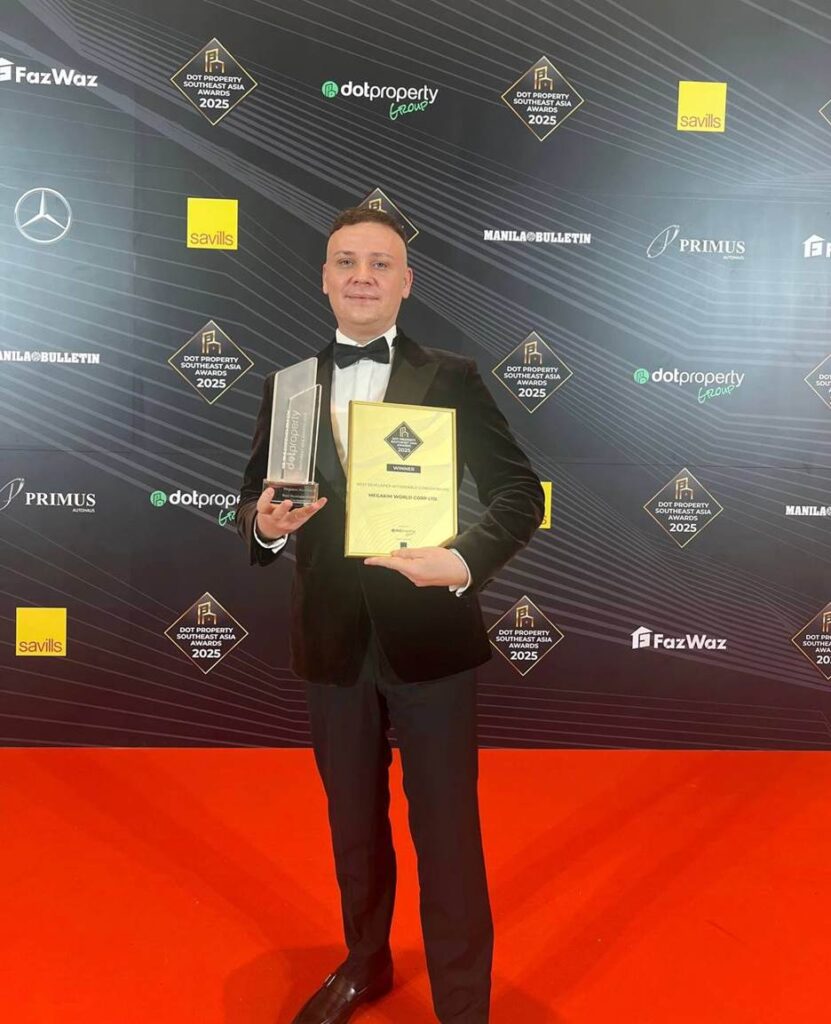
Navigating Market Cycles and Buyer Confidence
Phnom Penh’s condominium market has shifted considerably since 2016. In the earlier years of the boom, foreign buyers represented a significant portion of demand. Vladimir noted that this profile has changed.
“In the beginning of 2016, the clients buying from us were mostly foreigners,” he said. “Now I can say very proudly that around 50% of buyers are Cambodians.”
For him, this shift reflects greater domestic purchasing power and increasing local confidence in condominium living as a long-term housing solution. He views a balanced buyer mix as a sign of economic resilience. “I always believed that at least half of our clients must be locals,” he added, suggesting that sustained domestic demand is essential for stability.
While acknowledging that Cambodia, as a developing economy, experiences “ups and downs,” Vladimir expressed confidence in the country’s long-term trajectory. He believes that gradual growth in the local middle class and continued urbanization will underpin future demand.
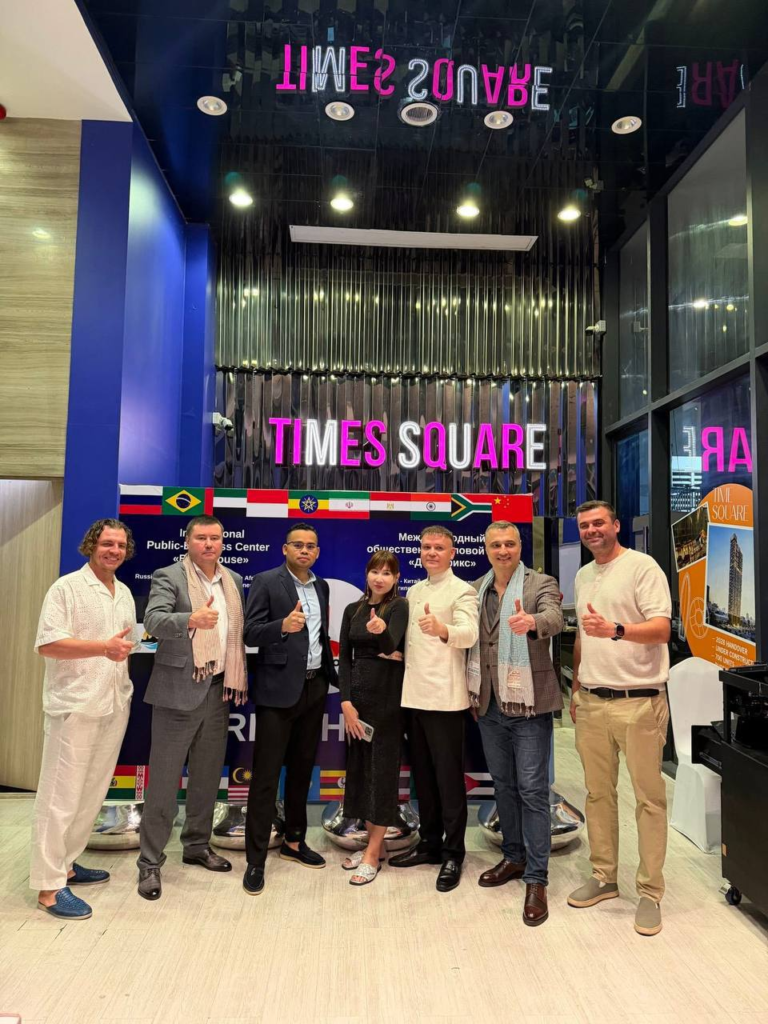
Focus on Tourism Business Operations
Parallel to his real estate investments, Vladimir has operated tourism businesses in Cambodia for more than 13 years. He describes the country as one that “is worth visiting for everyone,” citing the diversity of experiences available across heritage, nature and culture.
According to him, tourism plays a dual role in national development. “Every tourist is not only spending money during the vacation period, which creates income and jobs,” he said. “Every tourist is also a potential investor and even an ambassador who will advertise Cambodia to others if they like it.”
He acknowledged that the COVID-19 pandemic significantly disrupted global tourism flows, including in Cambodia. However, he sees recovery underway, supported by new infrastructure such as airports, road networks and upgraded attractions. These developments, he argued, will help strengthen Cambodia’s competitiveness as a regional destination.
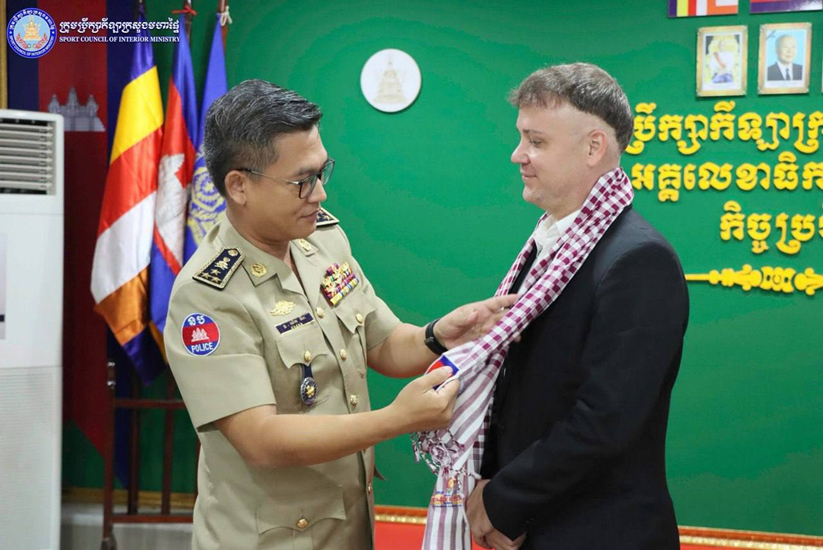
Leadership Responsibility and Long-Term Legacy
As an investor active in both urban development and tourism, Vladimir emphasized that profit alone cannot define business success. “To be a business person and an investor is a big responsibility,” he said. “You don’t need to think only about your profit. You must live your projects and the people who are next to you — your team.”
He extended this philosophy to national context, arguing that investors must also respect and integrate into the countries where they operate. “You must live the country in which you decided to invest and the people in it,” he said. Compliance with the law, hard work and mutual respect, in his view, are foundational principles.
Looking ahead, Vladimir expressed confidence that developers and tourism operators who combine clear vision, structured planning and long-term commitment will continue to find opportunity in Cambodia. For him, legacy is measured not just in completed buildings or visitor numbers, but in whether projects remain relevant and beneficial decades into the future.
In a market that has matured rapidly over the past decade, his approach underscores a broader theme emerging within Cambodia’s business community: that sustainable growth depends as much on adaptability and responsibility as it does on expansion.