


Cambodia Investment Review
Cambodia will formally prohibit prize-based promotions on alcoholic and non-alcoholic beverages from October 1, marking a significant regulatory shift that international drink companies have long advocated for as part of efforts to create a more level playing field in the Kingdom’s fast-growing consumer market.
The directive, issued by the Ministry of Economy and Finance on May 5 following guidance from Prime Minister Hun Manet, will ban all prize-linked marketing mechanisms, including bottle caps, can tabs, and other packaging formats that offer consumers the chance to win rewards. The policy applies across both alcoholic beverages and soft drinks, including energy drinks, which have widely relied on such promotions to drive volume sales.
Regulatory shift targets market fairness
For years, Cambodia’s beverage sector has operated without comprehensive consumer-facing alcohol regulations, including minimum drinking age laws or standardized licensing frameworks. In this environment, prize-based promotions became a dominant marketing tool, particularly among local and regional brands competing aggressively on price and incentives rather than brand positioning.
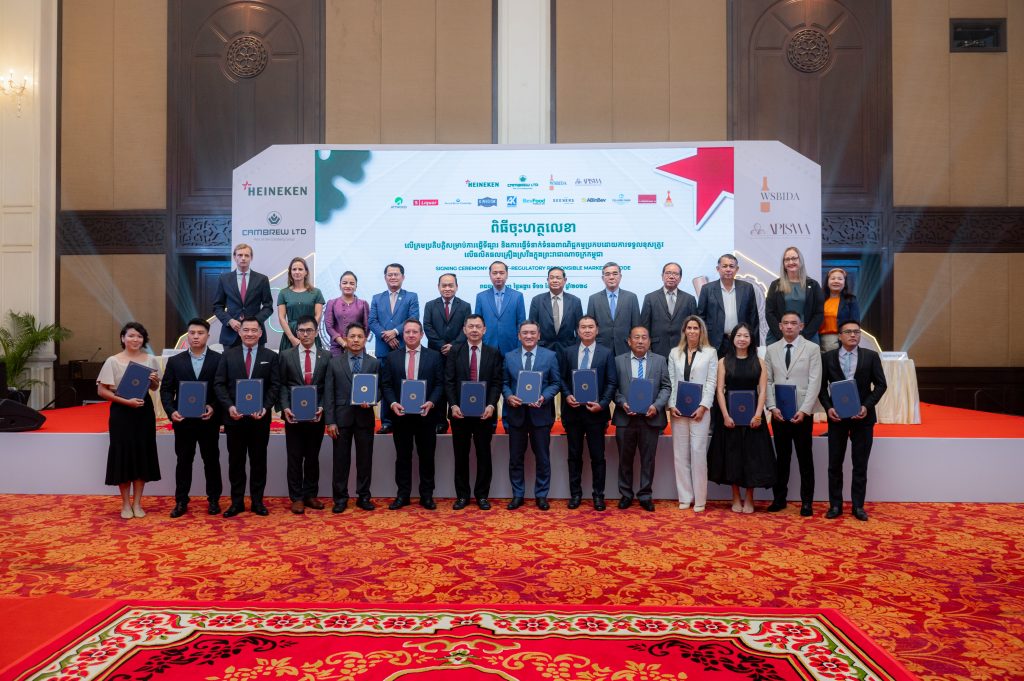
International beverage companies, including Heineken Cambodia, have repeatedly raised concerns through industry discussions and government consultations, arguing that prize-heavy campaigns distort competition, encourage excessive consumption, and undermine efforts to build premium, brand-led markets.
The new policy is designed to address these concerns by eliminating what many global firms view as an uneven competitive advantage held by companies able to sustain high-frequency prize campaigns. By removing this mechanism, regulators are aiming to shift competition toward product quality, branding, and distribution strength.
What the new policy requires
- All prize-based promotions linked to alcoholic beverages must end by the close of Q3 2026
- Prize mechanisms for soft drinks and energy drinks will also be fully discontinued within the same timeline
- From October 1, the production and import of packaging tied to prize giveaways (e.g. caps, tabs) will be prohibited
- Existing promotional inventory must be phased out before the enforcement date
- The General Department of Taxation will oversee compliance and enforcement across the sector
Implications for international beverage firms
For international drink companies, the policy is likely to be viewed as a long-awaited regulatory correction.
Global brands typically operate under stricter compliance standards in other markets, where prize-based alcohol promotions are either tightly controlled or prohibited altogether. As a result, many multinational firms have been constrained in Cambodia by a competitive landscape that did not align with their global marketing frameworks.
The removal of prize-based incentives is expected to narrow the gap between international and local players, enabling global brands to compete more effectively on brand equity, product differentiation, and consumer experience rather than promotional spending.
It may also encourage greater investment from international firms in Cambodia’s beverage sector, as regulatory clarity improves and aligns more closely with regional and international norms.
Industry recalibration ahead
In the near term, the ban is expected to trigger a period of adjustment across the beverage industry. Companies will need to rethink marketing strategies, shifting toward digital engagement, experiential campaigns, and brand-led promotions that comply with the new framework.
Retail dynamics may also evolve, as consumer purchasing behavior adjusts in the absence of instant-win incentives that have historically influenced buying decisions.
While some short-term sales volatility is likely—particularly in segments heavily reliant on prize mechanics—the longer-term outlook points toward a more structured and transparent market environment.
For policymakers, the move represents a step toward strengthening governance in Cambodia’s consumer goods sector. For international beverage firms, it signals a more predictable operating landscape—one that reflects years of advocacy for fairer competition and more consistent regulatory standards.