

Cambodia Investment Review
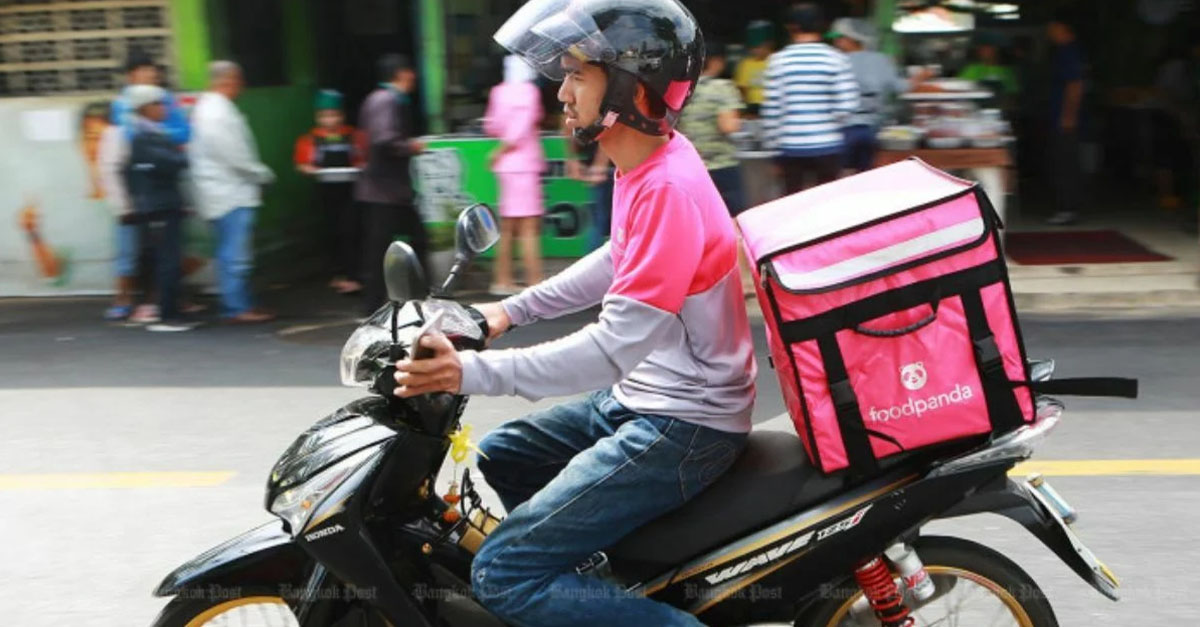
foodpanda Cambodia has launched a rider relief program centered on a $67,000 monthly incentive, according to a company press release, as Cambodia faces sharp increases in fuel costs, with LPG prices nearing a doubling since the onset of conflict in the Middle East and diesel and gasoline prices also rising significantly.
The announcement comes amid growing concern over the impact of global energy volatility on Cambodia’s domestic economy. As a net importer of fuel, the Kingdom remains highly exposed to external shocks, with rising fuel prices feeding directly into transport, logistics, and operational costs across sectors, including the country’s expanding delivery economy.
Platform absorbs rising costs to stabilize ecosystem
In response to these pressures, foodpanda said it will absorb increased operational costs associated with regional economic volatility, ensuring these are not passed on to delivery partners, vendors, or customers.
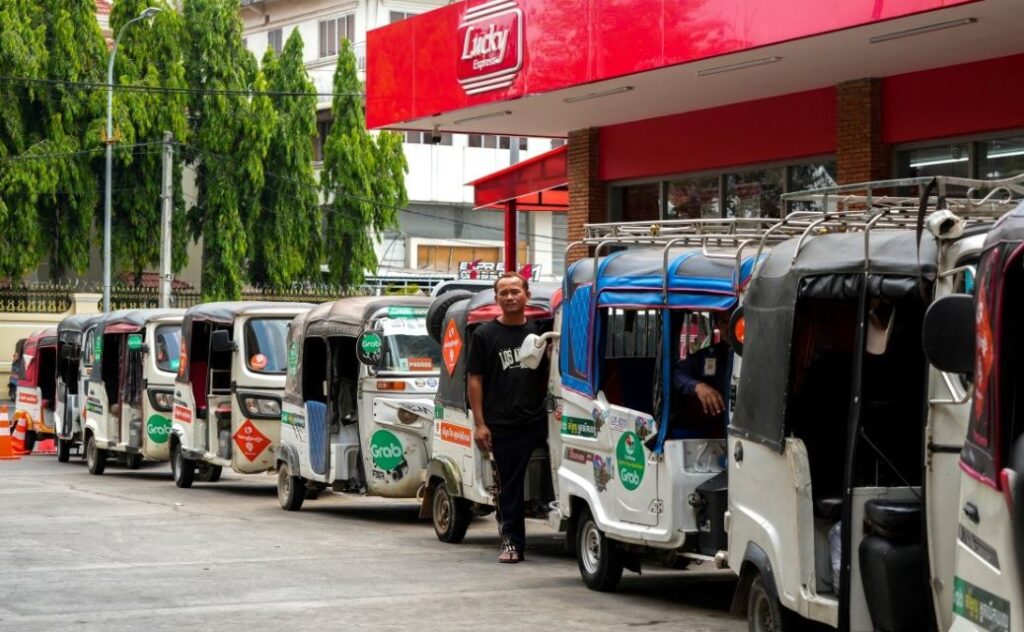
Read More: Grab Introduces Driver Subsidies and Pricing Adjustments in Cambodia as Fuel Costs Rise
The company stated that customers will continue to have access to food and daily essentials without additional charges, while vendors can rely on a stable delivery network despite ongoing cost pressures.
Angelique Tan, General Manager of foodpanda Cambodia, said in the release that the company is prioritizing the financial security of its delivery partners during a period of heightened uncertainty, noting that riders remain central to the platform’s operations.
The decision to absorb costs reflects a broader effort to maintain demand and service reliability in a price-sensitive market, particularly as delivery platforms continue to play a growing role in Cambodia’s urban economy.
$67,000 monthly incentive raises questions on scale
At the core of the relief program is an accelerated incentive of approximately $67,000 per month, aimed at enabling delivery partners to maintain competitive daily earnings as living costs rise.
While the measure provides immediate financial support, its overall scale relative to the size of foodpanda’s rider base raises questions. With thousands of delivery partners operating across Cambodia, the distributed benefit per rider may be limited when set against rising fuel expenses and broader cost-of-living pressures.
Fuel remains one of the largest operating costs for riders, particularly those reliant on gasoline-powered motorbikes. With gasoline, diesel, and LPG prices all increasing, delivery partners face mounting pressure on margins, which could influence working hours, retention, and service availability.
The company did not disclose the total number of riders covered under the incentive, making it difficult to determine the precise per-rider impact of the program.
Broader initiatives and longer-term considerations
The incentive builds on existing support measures, including discounted safety equipment, partnerships with electric vehicle providers offering preferential rates, and seasonal campaigns such as the upcoming “Cool Off Campaign Season 3,” which is expected to support riders during Cambodia’s hotter months.
The EV partnerships suggest a potential longer-term shift toward reducing fuel dependency, although adoption will depend on infrastructure availability, upfront costs, and accessibility for riders.
Delivery partners can access further details through the Panda Rider app, as well as official communication channels including Telegram and Facebook.
Rising fuel costs drive wider economic pressures
The rollout of the relief program highlights the broader impact of global fuel price volatility on Cambodia’s economy. Rising energy costs are increasing transport and logistics expenses, with knock-on effects for businesses and consumers.
The Asian Development Bank has warned that prolonged disruptions linked to global conflicts could significantly weaken economic growth across Asia and the Pacific while pushing inflation higher.
For Cambodia, this presents a balancing challenge as businesses absorb costs to remain competitive, while households face increasing pressure on spending.
Within this environment, private sector responses such as foodpanda’s rider relief program may provide short-term support, though their longer-term effectiveness will depend on the duration of global price pressures and the ability of companies to sustain such measures.
foodpanda, which has operated in Cambodia since 2019, said the initiative forms part of its broader commitment to supporting its ecosystem of riders, vendors, and customers while navigating ongoing economic uncertainty.