

Cambodia Investment Review
Grab has announced a temporary support package for driver-partners in Cambodia as rising LPG and gasoline prices place additional financial pressure on the country’s ride-hailing workforce.
The company said the measures, which came into effect on March 10, 2026, include direct driver subsidies and adjustments to platform pricing mechanisms aimed at helping drivers offset higher operating costs.
The move comes as global energy markets continue to fluctuate, increasing the cost of fuel for thousands of independent drivers who rely on ride-hailing platforms as a primary source of income.
Support Measures for Drivers
Grab’s support strategy focuses on two main initiatives designed to provide immediate financial relief for driver-partners.
Read More: Milestone in Digital Integration: ABA and Grab Advance Cashless Ecosystem in Cambodia
The first measure introduces a temporary additional incentive for every completed ride. The subsidy will be paid directly to drivers, helping offset the increased cost of fuel during the current period of elevated prices.
The second measure involves temporary adjustments to platform fees and dynamic pricing. According to the company, these changes allow the system to respond more quickly to shifts in fuel costs and broader economic conditions.
By recalibrating pricing structures, the platform aims to maintain a balance between driver earnings and passenger demand while ensuring the service remains operationally sustainable.
Impact of Rising Fuel Costs
Fuel price volatility has become a growing concern across Southeast Asia, particularly for gig-economy workers who depend on transportation services for income.
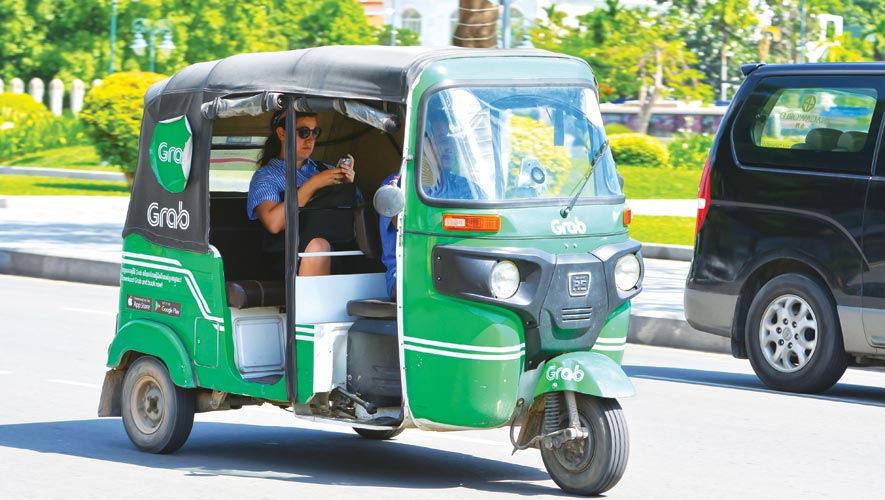
In Cambodia, ride-hailing drivers typically operate motorbikes, cars, or tuk-tuks, making fuel costs one of the largest operational expenses in their daily earnings.
Industry observers note that even modest increases in LPG or gasoline prices can significantly affect driver profitability, particularly for those completing dozens of trips each day.
Platforms such as Grab rely on large networks of independent driver-partners who absorb many of the operational costs associated with vehicle ownership and maintenance.

Maintaining Platform Sustainability
Grab said the temporary measures aim to ensure that driving on the platform remains a sustainable income opportunity while maintaining reliable transport services for passengers.
Kang Sovannarot, Country Head for Grab Expansion Region covering Cambodia and Myanmar, said the company recognizes the immediate impact rising fuel prices can have on driver earnings.
He noted that increases at the pump directly affect drivers’ take-home income, making it necessary for the platform to introduce short-term measures that support the individuals who operate within the ecosystem.
The adjustments are designed to help stabilize driver earnings while allowing the platform to adapt to changing economic conditions.
Role of Ride-Hailing in Cambodia’s Transport Ecosystem
Ride-hailing platforms have become an increasingly important part of Cambodia’s urban transport infrastructure, particularly in Phnom Penh where demand for flexible mobility services has grown rapidly in recent years.
Thousands of drivers across the country rely on digital platforms such as Grab to connect with passengers, offering services ranging from motorbike rides and car transport to food delivery and logistics.
As the sector continues to expand, companies operating in the ride-hailing industry are increasingly focused on balancing driver welfare, passenger affordability, and long-term platform sustainability.
Grab said the temporary support measures will remain in place as it continues to monitor fuel price trends and broader economic conditions affecting its driver-partner community in Cambodia.