
Cambodia Investment Review
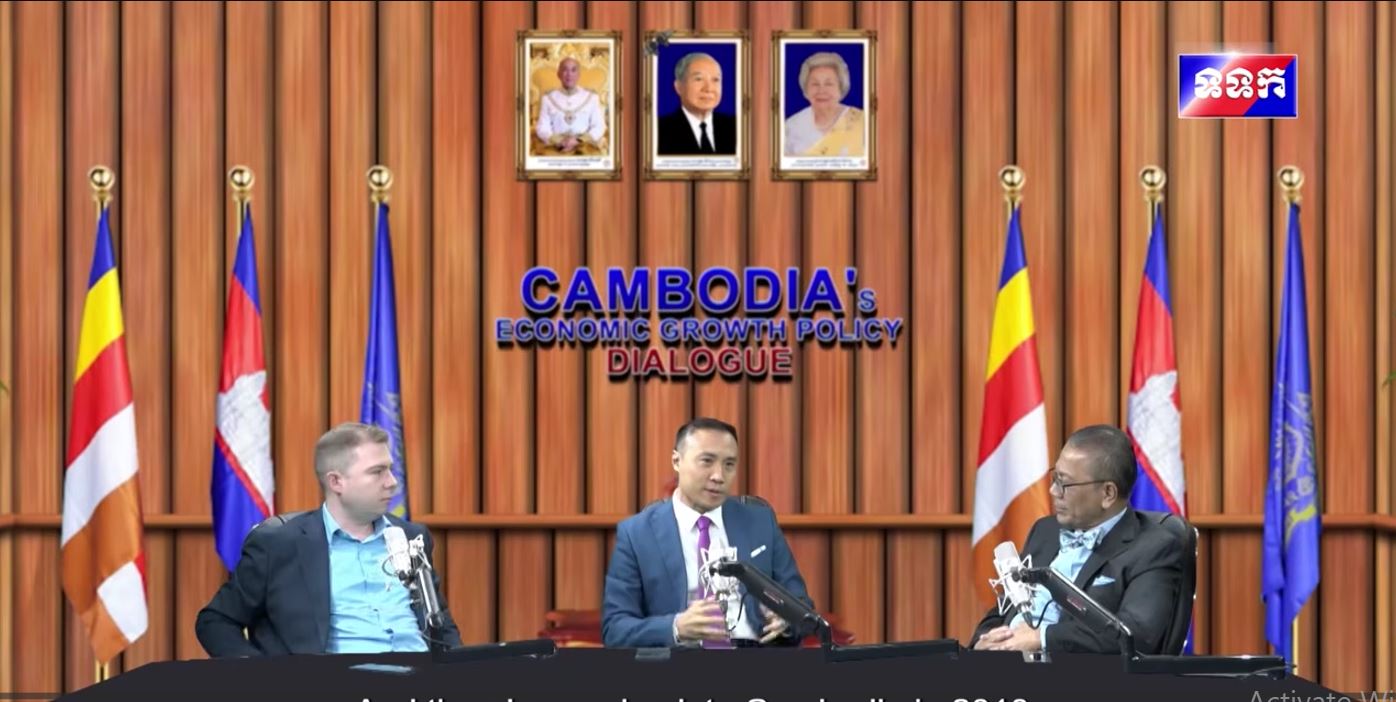
Cambodia’s new Techo International Airport, the Kingdom’s rising startup ecosystem and the need for stronger private-sector investment were among the key highlights of a high-level Economic Growth Policy Dialogue hosted by H.E. Prof. Bundit Sapheacha Dr. Sok Siphana, Senior Minister in charge of Special Missions and Chairman of the Trade Policy Advisory Board (TPAB).
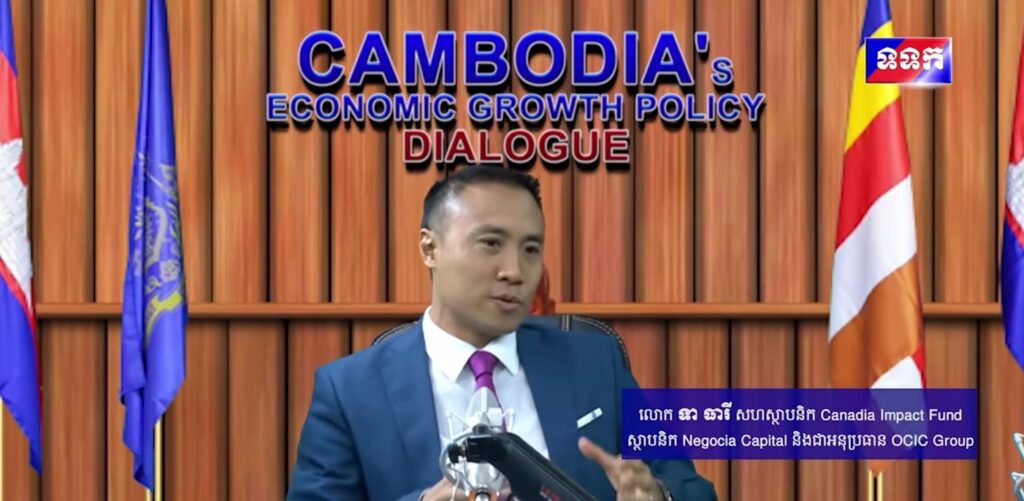
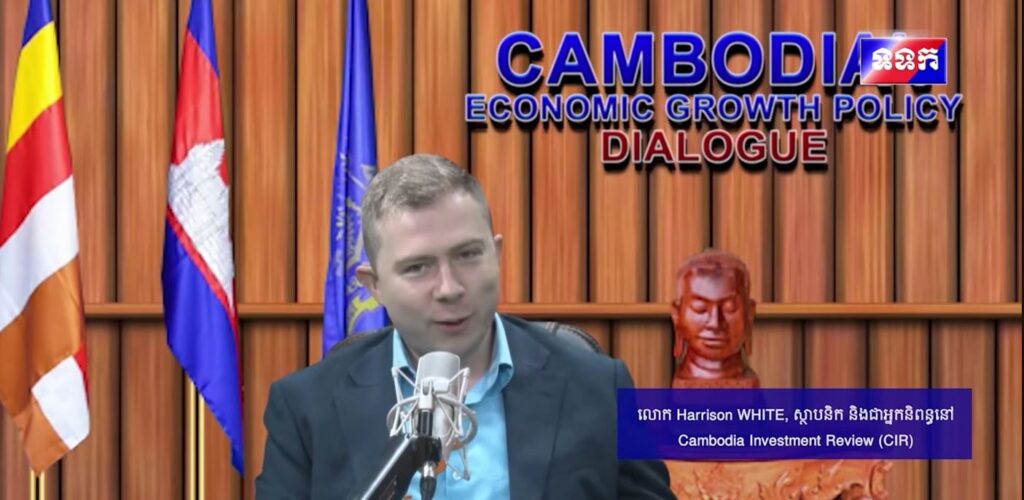
Guests included Mr. Thierry Tea and Mr. Harrison White, with discussions also covering foreign direct investment, urban development, youth talent and Cambodia’s competitiveness in the next stage of growth.
The discussion focused on how Cambodia can build on recent gains and strengthen its position as a competitive economy in Southeast Asia, particularly as the country prepares for its next development chapter.
New Techo International Airport Seen as National Growth Catalyst
A key theme of the discussion was the role of Techo International Airport in reshaping Cambodia’s economic future.
Dr. Sok described the airport as one of the clearest symbols of Cambodia’s transformation over the last three decades, reflecting a country that has moved from reconstruction toward long-term development planning.
Thierry said the airport should be viewed not only as transport infrastructure, but as a strategic national asset capable of boosting tourism, trade and investment flows. He said improved access would help connect travelers and investors from Phnom Penh to destinations such as Kampot, Kep and Sihanoukville.
He added that embedding Khmer culture, architecture and identity into the airport experience helps present a stronger national brand to the world.

Investors Need to See the New Cambodia
White said Cambodia still faces an awareness gap among international investors, many of whom hold outdated views of the market.
He said first-time visitors are often surprised by Phnom Penh’s skyline, improving infrastructure, growing central business districts and the professionalism of Cambodia’s young workforce.
According to White, attracting more investors to physically visit Cambodia remains one of the most effective ways to convert interest into real investment decisions.
Koh Pich and Urban Development Opportunities
The discussion also highlighted the continued rise of Koh Pich (Diamond Island) as a modern commercial hub.
Thierry said previously underutilized areas had been revitalized through better planning, security, office options, food and beverage offerings and public amenities. The goal, he said, was to create a new riverside business district that could attract both domestic firms and foreign enterprises.
Startup Ecosystem Gains Momentum
Another major theme was Cambodia’s emerging startup landscape.
Thierry said a new generation of Cambodian founders is becoming more ambitious, globally minded and increasingly active in sectors such as logistics, education technology, artificial intelligence and agriculture innovation.
He said investment platforms including the Canadia Impact Fund had begun supporting selected ventures, though greater private capital participation would still be needed to deepen Cambodia’s venture ecosystem.
White added that investors often back founders as much as industries, meaning Cambodia should continue promoting the stories and capabilities of its entrepreneurs to regional markets.
Public-Private Cooperation Key to Next Growth Phase
Dr. Sok said Cambodia’s younger generation now benefits from peace, better education and stronger international exposure, giving the country a stronger foundation for innovation and growth.
Participants agreed that Cambodia’s next economic phase will rely on combining policy reform, infrastructure upgrades, entrepreneurial talent and closer cooperation between government and the private sector.