
Cambodia Investment Review
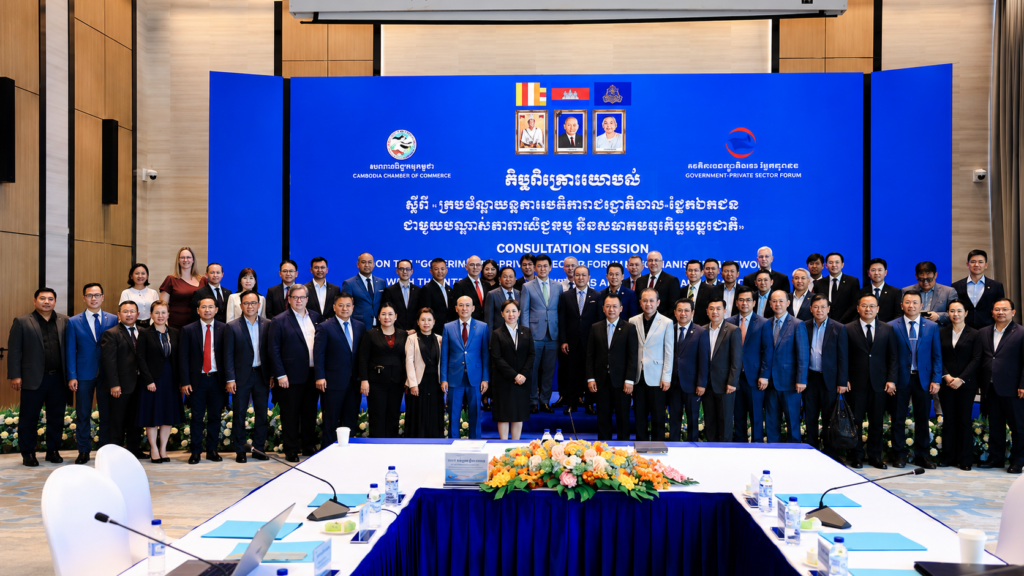
Cambodia is moving to give international chambers of commerce and foreign businesses a more structured role in shaping economic policy through the Government-Private Sector Forum (G-PSF), following a high-level consultation convened by the Cambodia Chamber of Commerce (CCC).
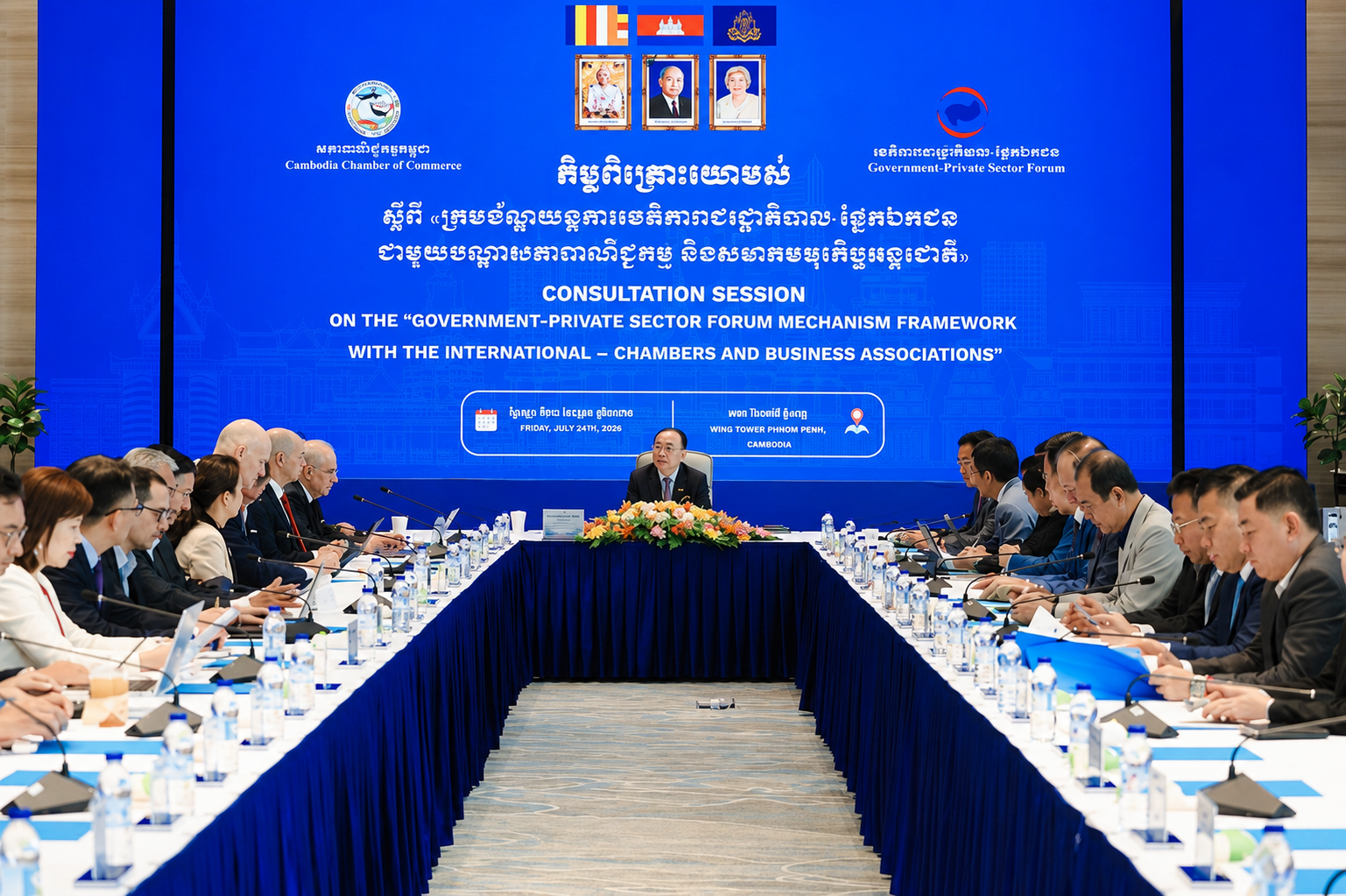
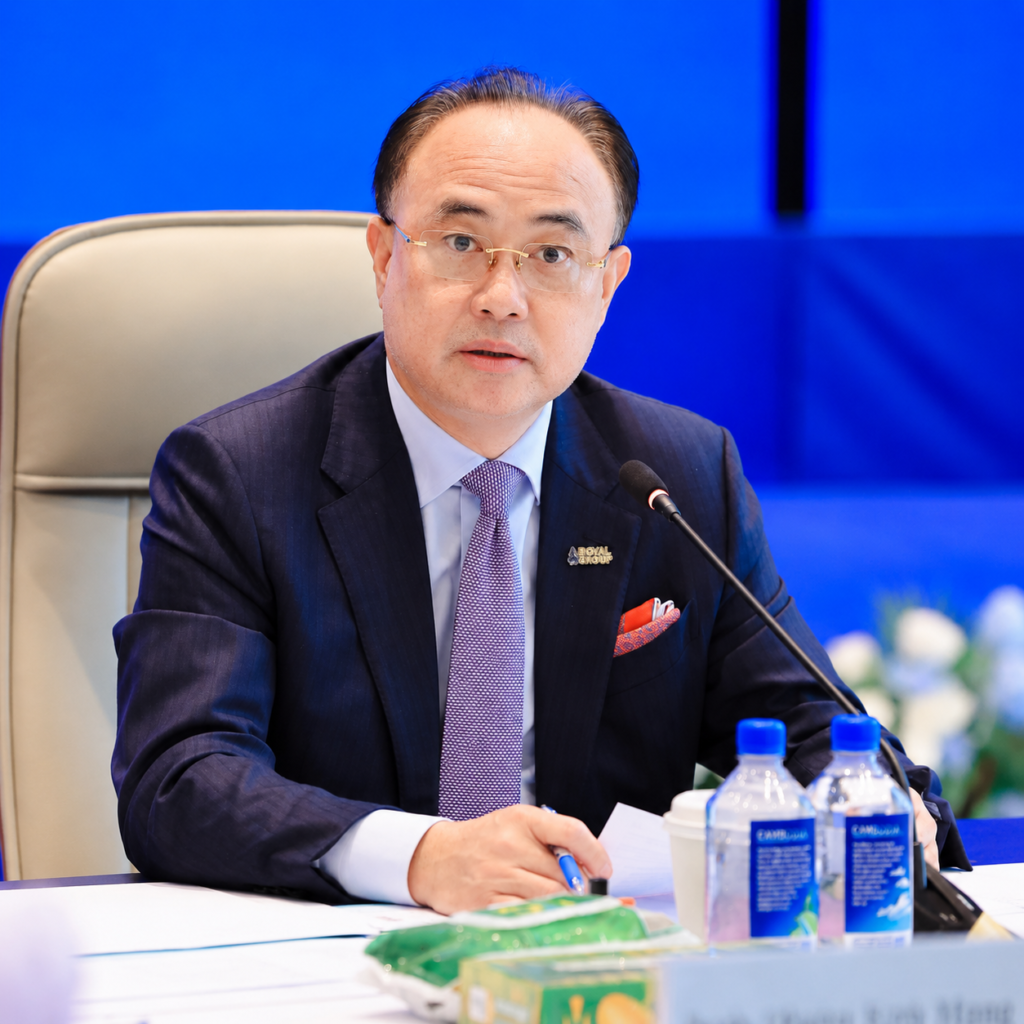
The consultation, chaired by Neak Oknha Kith Meng, President of the Cambodia Chamber of Commerce and Chair of the Coordination Committee of the Private Sector Working Groups, brought together leaders from all 16 G-PSF private sector working groups alongside representatives from international chambers, trade associations and multinational companies operating in Cambodia.
The meeting focused on establishing a framework that will allow international business organizations to formally channel policy recommendations, operational challenges and investment priorities into Cambodia’s principal public-private dialogue mechanism.
Formal Pathway for International Business
Under the new approach, international chambers and businesses will be able to participate across the G-PSF’s 16 sectoral working groups as well as two dedicated tax and customs partnership mechanisms.
The initiative is intended to strengthen coordination between foreign investors, the Cambodian private sector and government ministries, while ensuring international business concerns are incorporated into future policy discussions and reform initiatives.
The consultation also agreed to establish a dedicated working group to develop recommendations on how international stakeholders can be permanently integrated into the G-PSF framework ahead of the 20th G-PSF Plenary Forum.
Reform Progress Reviewed
Participants also reviewed progress on reforms agreed during the 19th G-PSF Plenary Forum.
According to data presented during the meeting, 169 of 179 reform measures adopted at the previous plenary have now been implemented, representing 94.4% completion.
Meanwhile, 174 of 198 private sector issues raised through the G-PSF’s 16 working groups have been resolved, equivalent to 87.9% of reported business challenges.
The Cambodia Chamber of Commerce said the results demonstrate the increasing effectiveness of the forum’s new monitoring system, including the recently introduced Management Information System (MIS) developed jointly with the Council for the Development of Cambodia (CDC) to track reform implementation.
Expanding Participation
The CCC has invited expressions of interest from international chambers, business associations and companies to participate in the G-PSF’s sectoral working groups, which cover industries including agriculture, manufacturing, banking, tourism, construction, healthcare, education, digital economy, logistics and infrastructure.
International businesses will also be able to engage through the Taxation-Private Partnership Mechanism with the General Department of Taxation and the Customs-Private Partnership Mechanism with the General Department of Customs and Excise.
Speaking at the consultation, Kith Meng said closer collaboration between Cambodian and international business organizations would strengthen policy dialogue and improve the country’s investment environment.
The new working group is expected to hold further consultations before presenting recommendations ahead of the 20th G-PSF Plenary Forum as Cambodia continues efforts to improve competitiveness and advance its long-term economic development objectives.