

Cambodia Investment Review
Cambodia’s banking regulators decision not to extend preferential loan-restructuring measures could trigger a short-term increase in reported non-performing loans and weaken bank profitability, but the move represents an important step toward restoring transparency and confidence in the financial system.
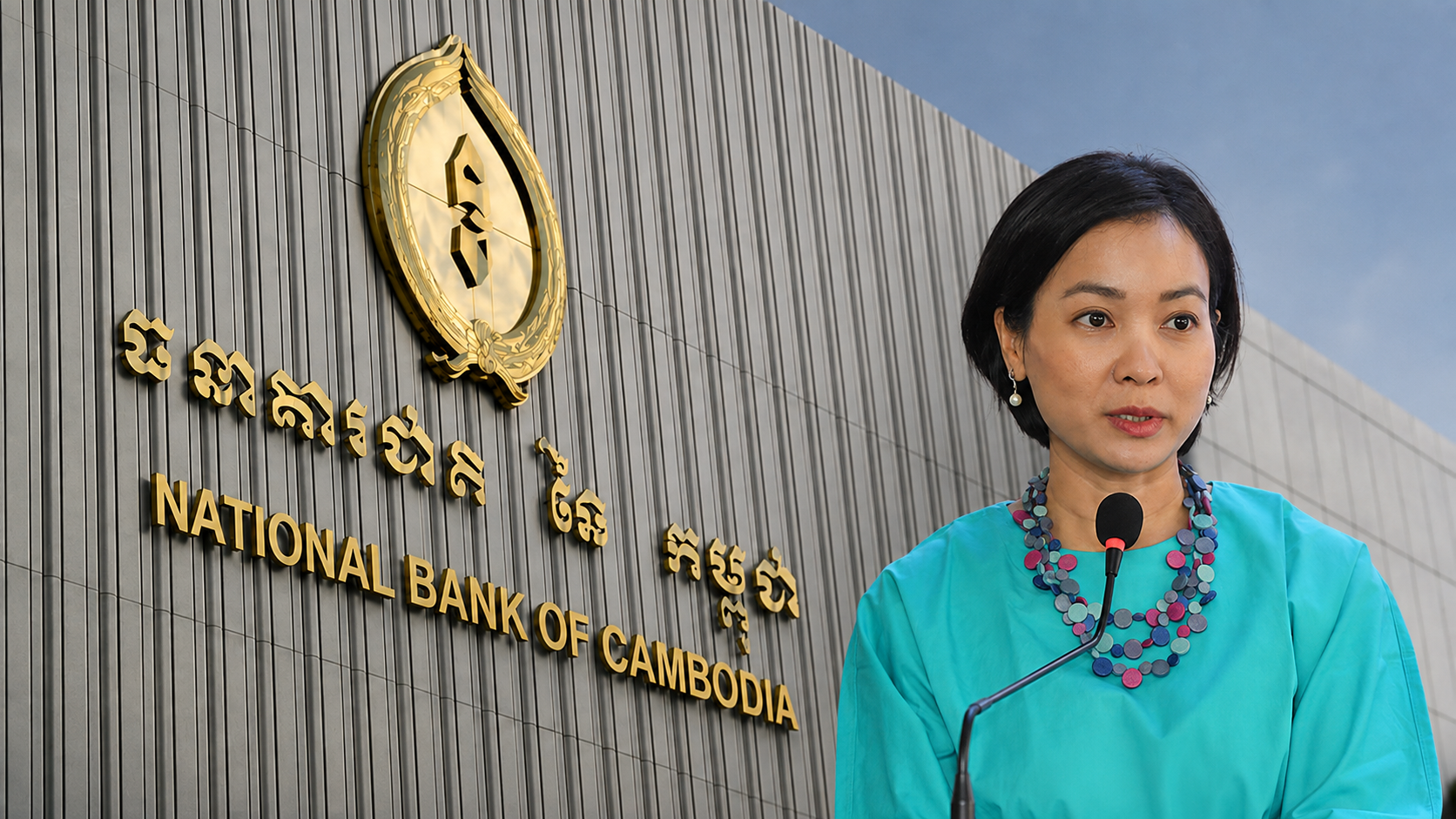
The National Bank of Cambodia has reportedly rejected a request from banks and microfinance institutions to continue the temporary framework until the end of 2026.
The relief measures gave lenders greater flexibility in classifying restructured loans and calculating provisions for expected losses. While originally introduced during the Covid-19 crisis, restructuring support has been repeatedly extended as borrowers faced a slow economic recovery, a property-sector downturn and more recent external shocks.
However, prolonged regulatory forbearance can prevent the true condition of bank balance sheets from being fully recognised.
The International Monetary Fund has repeatedly called for Cambodia’s remaining regulatory forbearance measures to be phased out, accompanied by more rigorous loan classification, provisioning and supervisory oversight.
The World Bank Group has raised similar concerns about rising financial-sector risks. Its private-sector arm, the International Finance Corporation, has also promoted stronger responsible-lending and borrower-protection standards in Cambodia, although the IMF has been more explicit in publicly calling for the withdrawal of regulatory forbearance.
Reported NPLs Could Rise Further
Cambodia’s banking-sector gross NPL ratio reportedly reached 9.6 percent during the first half of 2026, compared with 8.3 percent at the end of 2025 and substantially below that level before the pandemic.
Ending preferential treatment will not necessarily create new bad loans. Instead, it is likely to force banks to recognise more existing problem loans that had previously remained classified as restructured or performing.
That could produce a further increase in the reported NPL ratio over the coming quarters.
Banks will also need to allocate additional provisions against expected credit losses. Higher provisions are recorded as expenses, directly reducing profits. Financial institutions with weaker asset quality, narrow margins or limited capital buffers could consequently report substantially lower earnings—or potentially losses.
In the medium and longer term, however, recognising problem loans should strengthen the industry. Transparent balance sheets allow the NBC, investors and depositors to distinguish well-capitalised institutions from lenders carrying higher levels of unresolved risk.
The move should also encourage banks to improve credit assessment, restructure viable borrowers under normal banking rules and take action against loans that no longer have a realistic prospect of repayment.
Borrowers experiencing genuine financial difficulties can still negotiate restructuring arrangements with lenders. The change concerns the preferential regulatory treatment of those loans, rather than eliminating restructuring itself.
The Longer-Term Solution Sits Beyond the NBC
Ending forbearance addresses how bad loans are identified, but it does not solve the more difficult problem of how lenders recover or resolve them.
Cambodia’s foreclosure, insolvency and bankruptcy systems remain slow and difficult to navigate. Banks can spend years attempting to enforce collateral, complete court proceedings or resolve debts involving failed businesses.
This leaves capital trapped in unproductive loans and discourages lenders from extending new credit, particularly to small businesses and sectors perceived as higher risk.
The IMF has identified reforms to Cambodia’s foreclosure and insolvency frameworks as important for containing financial-sector risks. Effective implementation will require action extending beyond the central bank, particularly from the Ministry of Justice and the court system.
Priority reforms could include specialised commercial courts, faster enforcement of secured claims, clearer restructuring and bankruptcy procedures, and stronger systems for resolving viable and non-viable businesses.
The NBC can require banks to acknowledge their losses, maintain adequate capital and improve lending practices. It cannot, however, independently repair the legal machinery needed to recover distressed assets.
Cambodia’s immediate challenge is therefore unavoidable: reported NPLs may increase and some lenders’ profits may fall. But the industry’s lasting recovery will depend on recognising losses transparently—and creating a legal system capable of resolving them efficiently.