
Cambodia Leadership Review
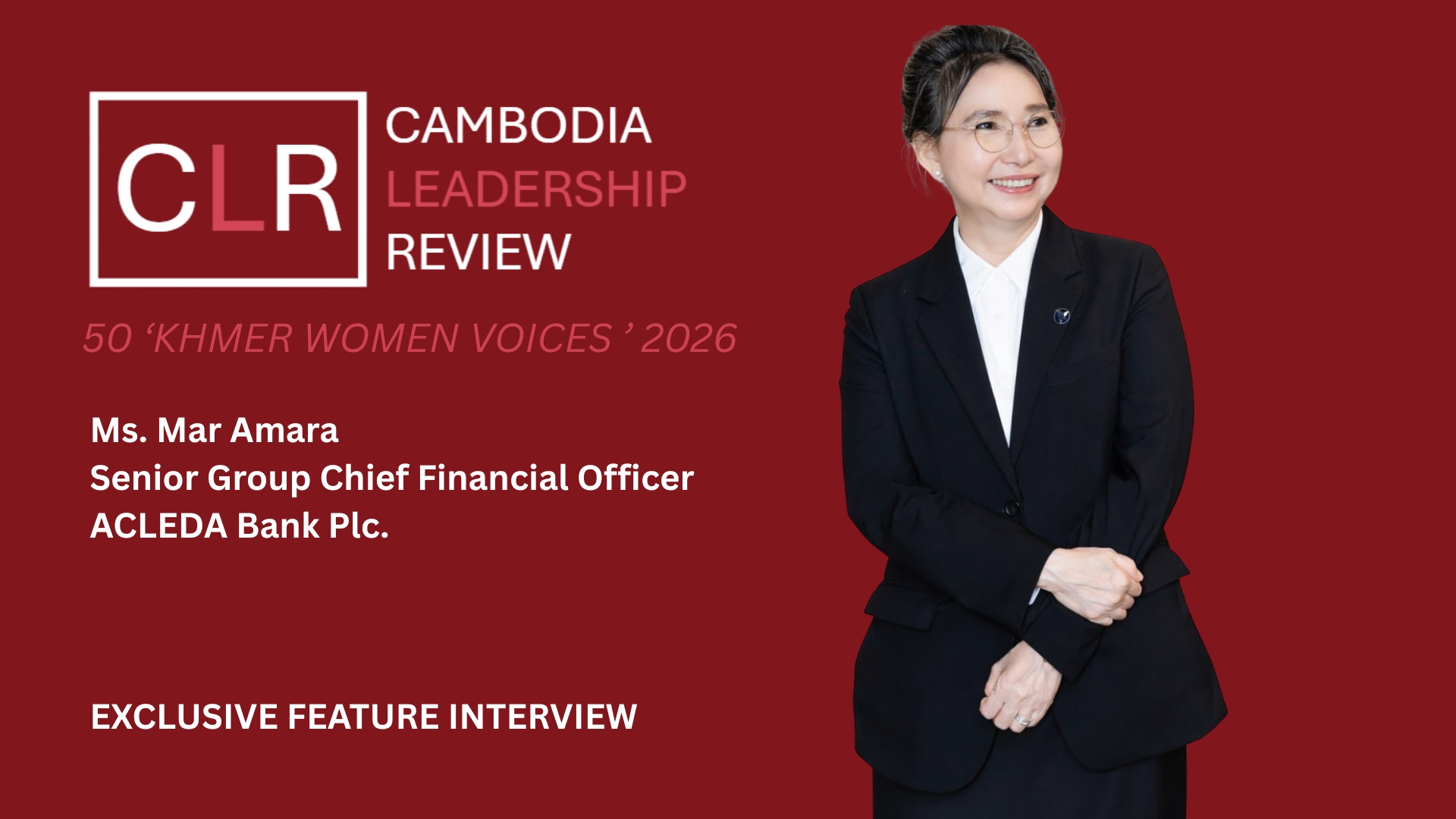
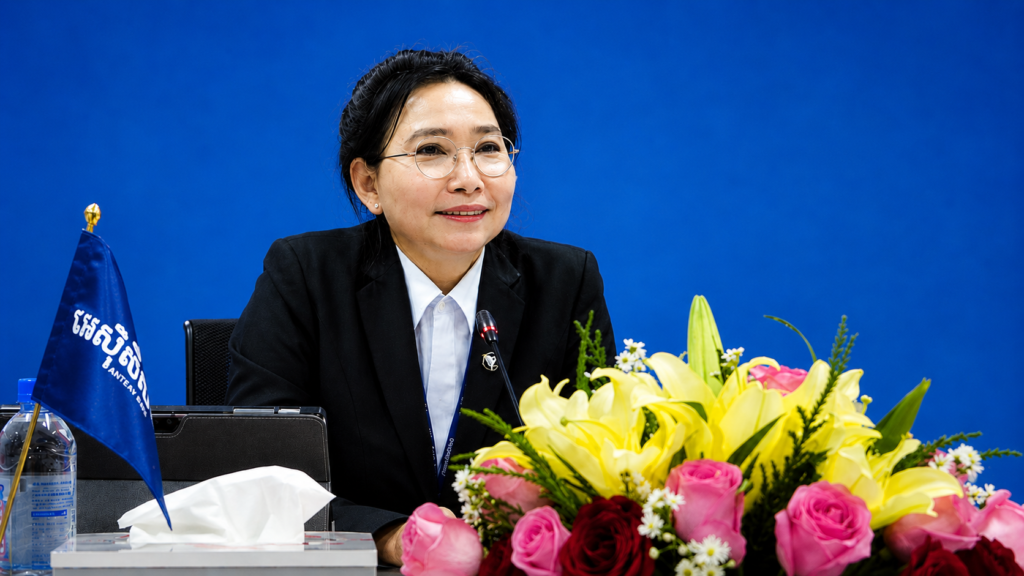
Ms. Mar Amara is Senior Group Chief Financial Officer of ACLEDA Bank Plc, where she oversees the Bank’s Finance Division and Budgeting & Control while chairing the Assets and Liabilities Committee (ALCO), the Investment Committee, the Subsidiaries Support Committee, and the Bank’s Basel Team. Having begun her career at the Ministry of Planning before joining ACLEDA in 1993 as a junior accountant, she has witnessed and contributed to the transformation of Cambodia’s banking sector over nearly four decades.
Throughout her career, Amara has championed financial inclusion, strong corporate governance, sustainable banking, and lifelong learning. She believes the future of Cambodia’s financial sector will be shaped by trust, innovation, ethical leadership, and the continuous development of people and institutions.
In this edition of 50 Khmer Women Voices 2026, Ms. Mar Amara reflects on the evolution of women in Cambodia’s banking sector, financial inclusion, leadership in a rapidly changing financial environment, building long-term trust, and her advice for the next generation of women leaders.
Women in Cambodia’s Banking Sector
CLR: Cambodia’s banking sector has grown rapidly over the past decade alongside the country’s economic development. From your perspective, how has the role of women in banking and financial leadership evolved during this period?
Mar Amara: Thank you for this profoundly important question, which allows me to reflect on my personal journey and the broader, remarkable transformation of our nation’s financial landscape. To provide some context, my journey in the public and private sectors began back in October 1986 at the Ministry of Planning, where I served for over six years before joining ACLEDA on June 1, 1993. When I first joined, ACLEDA was an NGO dedicated to supporting micro and small enterprises, and I began my tenure as a junior accountant.
Over my career spanning nearly four decades, I have witnessed a profound and systemic evolution in the role of women in our sector. We are seeing a distinct transition from accounting and administrative support roles to robust executive leadership. Women are now actively driving strategic growth, managing vast financial portfolios, and leading executive committees. In my own experience, I have ascended to serve as the Senior Group Chief Financial Officer, directly chairing the Assets and Liabilities Committee (ALCO), the Investment Committee, the Subsidiaries Support Committee, and the Bank’s Basel Team, taking comprehensive responsibility for the Finance Division and Budgeting & Control.
This evolution has fundamentally shattered the outdated “male-dominated” paradigm that previously defined complex financial risk management. We now universally understand that active listening, strategic empathy, diversities, and relational intelligence are the absolute cornerstones of high-performance management leadership. This progress relies heavily on an organizational culture of meritocracy, good corporate governance, and a strict zero-tolerance policy for prejudice. At ACLEDA, advancement is strictly based on 21st-century skills, outstanding performance, and an unwavering commitment to holistic excellence—balancing technical and professional competencies, behavioral and personal competencies, soft skills, moralities and ethics, and overall well-being.
Furthermore, this remarkable progress and evolution are significantly supported by the favorable macroeconomic and social ecosystems cultivated and significanty supported by the Royal Government of Cambodia, the Ministry of Women’s Affairs (MoWA), the National Bank of Cambodia (NBC), the Securities and Exchange Regulator of Cambodia (SERC), and other relevant stakeholders and players. Their collective commitment to advancing women’s rights and empowerment has been instrumental in fostering inclusive participation.
Finally, modern female banking leaders typically embrace and are fully committed to continuous education, professional development, and lifelong learning. Reflecting this standard, my own journey includes completing the Green Bond and Sustainable Finance Executive program in Stockholm in October 2022; the Organizational Leadership Program at Harvard Business School in August 2022; the AICD’s International Company Directors Course in 2018, leading to my designation as a Graduate of the Australian Institute of Company Directors (GAICD) since 2018; FMO’s professional training programs on asset-liability management and the Future of Banking Academy, held in Amsterdam in 2008 and 2014; and consecutive educational programs on financial and security markets organized by the Korea International Cooperation Agency (KOICA) from 2007 to 2008.
Financial Inclusion and Economic Growth
CLR: Financial inclusion remains an important part of Cambodia’s long-term economic development. How important is the banking sector in creating greater financial opportunities for Cambodian families, entrepreneurs, and women-led businesses?
Mar Amara: Financial inclusion is a subject that remains profoundly close to my heart. It is not merely a peripheral corporate social responsibility (CSR) initiative; rather, it is the historical DNA and the very heartbeat of our organization. Since its establishment in January 1993, ACLEDA Bank has been actively and enormously contributing alongside the Royal Government of Cambodia, as well as governments in the region, to socio-economic development and poverty reduction. Our unwavering commitment is to continuously elevate the living standards, prosperity, and quality of life for our employees, customers, stakeholders, and the people of Cambodia and the wider region. By actively supporting the government’s development plans, strategies, and policies, we have built a robust framework for financial empowerment.
The banking sector plays a critical and transformative role because it acts as the primary engine driving equitable opportunities and sustainable wealth creation. At the foundational level, formal banking acts as a direct catalyst for household resilience. Providing access to secure savings, affordable credit, and professional financial tools equips vulnerable populations with the necessary resources to systematically elevate their socio-economic status. It means a mother in a remote province can safely save money, successfully manage and withstand unexpected economic shocks, and warmly invest in fundamental needs like her children’s education and healthcare.
Furthermore, the banking sector serves as a vital supplier of capital for Micro, Small, and Medium Enterprises (MSMEs), which are the indispensable economic backbone of Cambodia. We achieve this particularly by providing micro, small, and medium entrepreneurs, as well as the general public, with highly efficient banking and financial products, services, and mechanisms to manage and allocate their financial resources. These offerings are continuously innovated and diversified to ensure high quality, safety and security, broad financial inclusion, and maximum efficiency. Within this framework, we have placed a special focus on women-led businesses, supported by extensive partnerships with international organizations like the IFC. We must formally recognize the incredible “socio-economic multiplier effect” here: statistically, when the banking sector financially empowers a woman, she reinvests her income back into her family’s health and education, creating a powerful ripple effect that drives broad-based community development and gender equality.
In the era of the 4th and 5th Industrial Revolutions (4IR/5IR), digital transformation has vastly expanded the scope of financial inclusion. Digital leapfrogging allows us to seamlessly reach rural populations who previously lacked access to banking services, offering them competitive pricing and high security through modern digital banking tools. All of these initiatives and activities aim to uplift livelihoods with sustainability and maximize the benefits for all of our customers, communities, employees, and stakeholders. These efforts are accomplished by strictly and consistently adhering to the highest professional ethics, social, legal, and environmental principles—directly fulfilling our organizational Environmental, Social, and Governance (ESG) commitments.
Ultimately, by driving financial inclusion, the banking sector develops comprehensive and inclusive human capital for the entire nation. It ensures that every citizen can continue to cultivate academic excellence, essential soft skills, moral character, and physical and mental well-being. This holistic development guarantees that our long-term economic growth remains genuinely resilient, inclusive, and truly prosperous.
Leadership in a Changing Financial Environment
CLR: Cambodia’s banking sector is continuing to adapt to changing economic conditions, digitalisation, and rising customer expectations. As a financial leader, how do you approach decision-making and leadership in such a fast-changing environment?
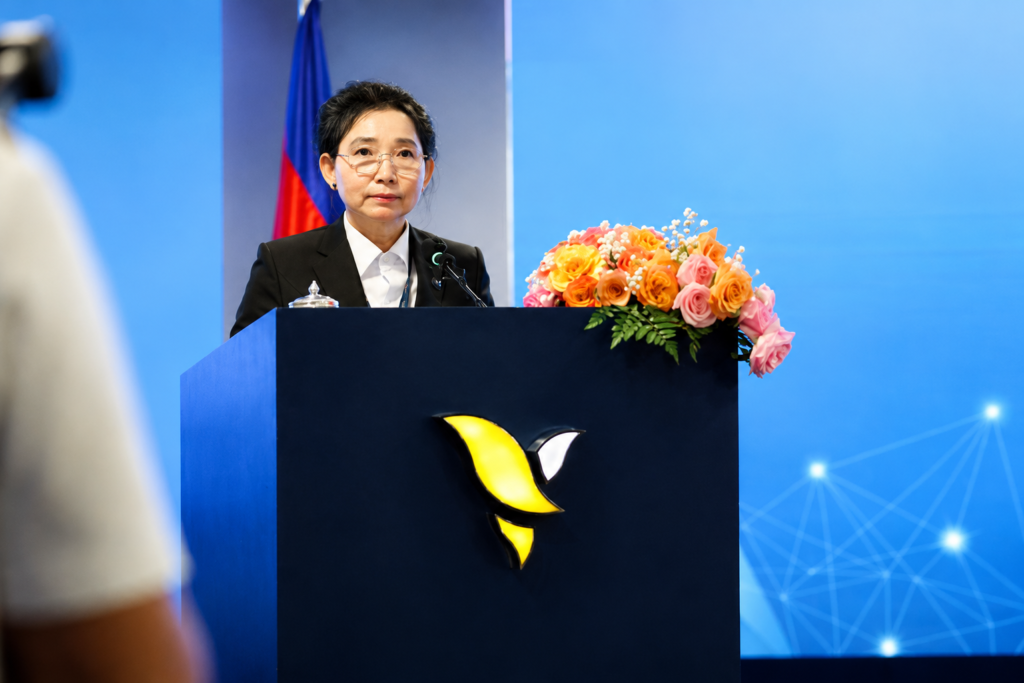
Mar Amara: The incredible speed of change today is something that even ten years ago I would not have easily predicted. In today’s era, prominently defined by the 4th and 5th Industrial Revolutions, the rapid advancements in Artificial Intelligence (AI), and the burgeoning digital/AI-driven economy, the financial landscape is characterized by unprecedented volatility, speed, and complexity. To effectively lead and make confident strategic decisions in such a dynamic environment, my approach is grounded in a rigorous blend of steadfast core principles, continuous adaptation, collective intelligence, and a deeply held philosophy of continuous education, continuing professional development, and lifelong learning.
My approach to sophisticated decision-making relies primarily on several critical frameworks. First, I heavily utilize the “Double Helix of Leadership,” specifically adhering to the “Leader as Beacon, Architect, and Catalyst” framework, which I studied extensively through the Organizational Leadership Program at Harvard Business School. A financial leader must purposefully act as a “Beacon” setting clear direction, an “Architect” meticulously designing agile systems and infrastructures to deliver value, and a “Catalyst” actively driving much-needed change and innovation.
Second, I am deeply guided by a profound foundational framework consistently emphasized by our President and Group Managing Director, Dr. In Channy: “Right Listening, Right Thinking, Right Doing, Right Decision-Making.” This philosophy demands listening attentively to stakeholders, critically analyzing data logically, ensuring actions adhere strictly to laws and the common good, and ultimately making balanced, ethical decisions. I seamlessly integrate this modern executive management with the timeless Buddhist principles of Iddhipāda Dhamma (ឥទ្ធិបាទធម៌)—The Four Foundations of Success. In particular, I apply Vimansa (វិមំសា)—which represents critical investigation, discrimination, and profound wisdom—ensuring we rigorously investigate the root causes of business challenges before making vital strategic choices.
Third, effective leadership in uncertainty is never a solitary endeavor; I rely heavily on fostering synergy and collective intelligence. Outstanding leadership is about actively building a team that you deeply trust, soliciting ground-level inputs, and fostering robust open debate. We absolutely cannot afford to forget empathy and emotional intelligence. While leveraging advanced data analytics, leadership must proudly remain human-centric, carefully understanding the dispositions of our people to maintain unbreakable mutual trust. Finally, I forcefully maintain a relentless commitment to continuous education, continuing professional development, lifelong learning. and a robust “Growth Mindset,” allowing us to correct our strategic course confidently when needed, rather than waiting paralyzed for perfect information.
Building Trust and Long-Term Stability
CLR: The banking sector plays a critical role in maintaining confidence and supporting long-term economic stability. What do you believe are the most important qualities needed to build trust and resilience within Cambodia’s financial sector today?
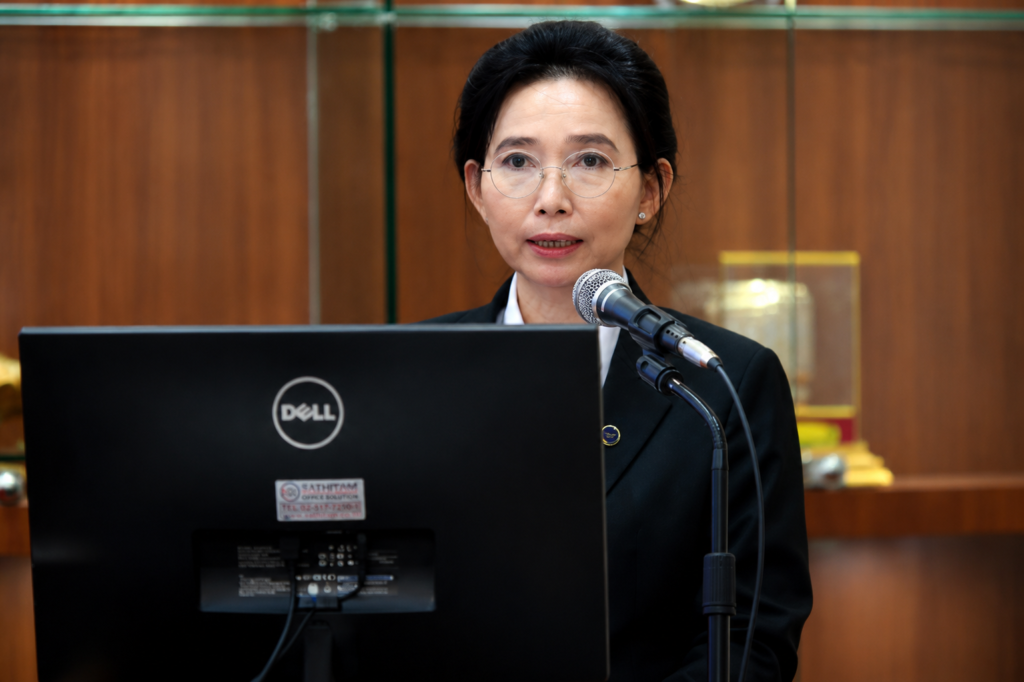
Mar Amara: Trust is the absolute, non-negotiable cornerstone of the banking and financial sector; it is the ultimate currency upon which our entire macroeconomic stability and Cambodia’s socio-economic development rest. Without an unshakeable foundation of trust, an organization simply has nothing. Maintaining the unwavering trust and confidence of the general public, domestic and foreign investors, national regulators, and all stakeholders requires financial institutions to operate with unimpeachable integrity, robust strategic foresight, and a permanent commitment to operational excellence. At ACLEDA Bank, this is not merely a theoretical concept; it is the living reflection of our well-established image, our core identity, and our deeply held guiding slogan: “The bank you can trust, the bank for the people” (ប្រជាធនាគារដែលលោកអ្នកជឿទុកចិត្ត).
To systematically cultivate and ensure this vital trust across our operations, we actively embrace and effectively implement a universally respected mental model known as “The Trust Equation” (developed by David Maister, Charles Green, and Robert Galford). We believe that trust is not merely an abstract feeling or a marketing catchphrase; it is a dynamic, measurable asset that must be strategically managed, rightly implemented, and flawlessly executed at every level of our organization to ensure long-term resilience and stability.
To ensure the reader fully understands this powerful concept, the Trust Equation posits that trustworthiness is calculated by adding Credibility, Reliability, and Intimacy, and then dividing that sum by Self-Orientation [Trust = (Credibility + Reliability + Intimacy) / Self-Orientation]. For a bank, Credibility means possessing unquestionable financial soundness and technical expertise. Reliability is demonstrated through decisive governance, flawless compliance, and consistently delivering on our promises. Intimacy requires relational leadership—building psychological safety, transparency, and empathetic connections with our customers, colleagues, employees, partners, and stakeholders. Crucially, to maximize trust, a leader and an organization must fiercely minimize the denominator: Self-Orientation. If an organization is perceived as selfish or solely focused on short-term profits, trust is instantly destroyed. By keeping our self-orientation exceptionally low and our dedication to the community high, we build an unshakeable bond with the public.
Building upon this equation, successfully sustaining this vital trust and structural resilience within Cambodia’s maturing financial sector rests firmly on several highly integrated pillars. These pillars constitute the best practices and lessons learned from ACLEDA’s sustainable growth and success—insights we proudly share with other Banking and Financial Institutions (BFIs) to ensure nationwide financial stability, inclusive growth, and sustainable development.
First and foremost is the paramount adherence to the organization’s Mission, Vision, and Core Values, which must act as the “Pole Star/North Star/Mantra” (ត្រីវិស័យ/មន្ត្រ/មន្ត). In a rapidly changing world, an organization must never lose sight of its foundational purpose. Our vision is to be Cambodia’s leading and most trusted commercial bank, serving all segments of the community. Our mission is to provide customers with secured and innovative products to manage their financial resources efficiently, while observing the highest principles of ethical behavior, respecting society, the law, and the environment. To anchor this mission, we strictly adhere to our Core Values, beautifully defined by the very letters of our name, ACLEDA (អេស៊ីលីដា):
- អ-A: អភិសមាចារ (Affinity and Empathy) –We focus on conducting ourselves in a satisfying and transparent manner toward all stakeholders, including employees, customers, partners, and the public.
- ស-C: សុចរិតភាព ស្មោះត្រង់ (Customer experience with Integrity and Loyalty) –We focus on delivering services with absolute integrity and professional ethics.
- ល-L: លឿនទាន់ចិត្ត លទ្ធផលល្អ (Leverage and fast service) –We provide rapid, highly efficient service that yields excellent results and builds high trust.
- ដ-D: ដើមទុនរឹងមាំ (Development and Safety) –We ensure financial soundness, strong capital, and the utmost safety for our clients’ assets.
When these core values are practiced daily, they perfectly maximize the Credibility, Reliability, and Intimacy of the Trust Equation, building a fortress of trust that no economic crisis can easily breach.
Second, cultivating trust requires Decisive Governance, rigorous compliance, and the due balance of risk governance with securing opportunities. True governance demands an environment of complete accountability and fairness, strictly governed by a zero-tolerance policy for any ethical breaches, negligence, or deviations from professional codes of conduct. Financial reporting must be impeccably accurate, maintaining Sacca (សច្ចៈ)—absolute truth and honesty. Complying meticulously with national regulations issued by the National Bank of Cambodia (NBC) and the Securities and Exchange Regulator of Cambodia (SERC), as well as complex international frameworks like IFRS and Basel, undeniably proves our organizational reliability to the global market. However, governance is not just about restriction; it is about risk intelligence. We must perfectly balance strict risk governance with the agility to secure new market opportunities, ensuring that we protect the bank’s assets while simultaneously driving sustainable growth and value creation.
Third, we must embrace holistic Corporate Social Responsibility (CSR), Environmental, Social, and Governance (ESG) principles, and Good Corporate Citizenship to optimize the best interests of, and create value for, our customers and all stakeholders and significantly contributing to national socio-economic development with robustness, resilience, inclusion, and sustainability. Guaranteeing long-term stability requires the deep, structural integration of ESG into our core business models. By prioritizing tangible social impact, responsible lending practices, inclusive financial empowerment, and serious environmental stewardship, we align our operations directly with the nation’s sustainable development goals. When an organization consistently acts with authentic corporate citizenship—prioritizing the common good over short-term gains—it permanently cements its role as a stabilizing pillar of the Cambodian economy. This is exactly how we minimize “Self-Orientation” in the Trust Equation.
Fourth, organizations must maintain continuous innovation and diversification of products and services to best match rapidly changing contextual landscapes. We are currently navigating the unprecedented complexities of the 4th and 5th Industrial Revolutions (4IR/5IR), the intelligent/digital economy, and the emerging era of Artificial Intelligence and Agentic AI. To remain resilient, a BFI must develop strong “contextual capacities”—the ability to read the changing landscape and adapt swiftly. This means embracing digital transformation, aggressively prioritizing advanced cybersecurity, and safeguarding digital data privacy. We continuously innovate to deliver exceptional customer experiences, exemplified by the ACLEDA Mobile Super App, which carries our modern digital slogan: “The Bank in your hand!” (ធនាគារក្នុងដៃលោកអ្នក). By leveraging AI and digital tools, we elevate our competitive advantage, responsiveness, and productivity, ensuring financial inclusion reaches even the most remote populations.
Fifth, we must foster Collaborative Advantages and Synergy in the spirit of “growing together” through win-win policies/strategies. True, unshakeable resilience does not exist in a vacuum; it fundamentally resides in people and strategic partnerships. Internally, ACLEDA stands strong because of the unbreakable solidarity, effective teamwork, and profound mutual support that exists across all levels of the organization—from the Board of Directors and the Executive Committee down to every single staff member. Externally, we move beyond traditional competition to embrace “collaborative advantage.” By forging strong, mutually beneficial partnerships with telecom providers, fintech innovators, international development organizations, and other BFIs, we create win-win ecosystems. This cooperative spirit ensures that as we grow, our partners grow, our customers thrive, and the entire national economy benefits.
Finally, underpinning all these strategies is the philosophical framework of Right Leadership and Moral Character. Cultivating trust requires the deep, daily application of the profound framework championed by our President and Group Managing Director, Dr. In Channy: “Right Listening, Right Thinking, Right Doing, and Right Decision-Making.” This means listening attentively to stakeholders, analyzing complex realities without bias, acting strictly for the common good, and making ethical, evidence-based choices. Furthermore, every technical banking skill must be supported by a strong ethical foundation, known in our culture as Moral Character. Professional success achieved without this ethical grounding is inherently fleeting and extremely dangerous to the financial system.
In conclusion, when a banking institution seamlessly integrates the Trust Equation with its guiding Pole Star of Core Values, decisive governance, ESG commitments, AI-driven digital innovation, and collaborative win-win partnerships, it does more than just survive. It becomes a permanent beacon of trust, driving Cambodia’s socio-economic development forward with unparalleled robustness, resilience, inclusion, and sustainability.
Advice for Future Women Leaders in Finance
CLR: Looking ahead, what advice would you give to young Cambodian women who are hoping to build careers in banking, finance, and corporate leadership?
Mar Amara: To the brilliant, fiercely capable young Cambodian women aspiring to build immensely impactful careers in banking, finance, and corporate leadership, the extraordinary opportunities before you in the current era of the 4th and 5th Industrial Revolutions are incredibly vast. Realizing your absolute highest potential, however, requires deep intentionality, profound personal resilience, and an unwavering commitment to your own holistic growth. Reflecting upon my own life journey and legacy—from starting as a government official at the Ministry of Planning in October 1986, to joining ACLEDA as a junior accountant in 1993, and eventually ascending to Senior Group Chief Financial Officer—I would like to share the practical strategies, professional frameworks, and timeless philosophical wisdoms that have reliably guided my path over the last four decades. My hope is that these insights will serve as a compass for the next generation to achieve sustainable success across the three essential pillars of life: your studies, your work, and your family.
First: Master Your Craft/Competencies and Cultivate 21st-Century Skills
You must dedicate yourself entirely to building a rock-solid foundation of academic and technical/professional excellence. Whatever your chosen role is, strive passionately to be the absolute best at it. When you possess genuine, undeniable competence, it is practically impossible for anyone to ignore your immense value. However, you must profoundly understand that technical knowledge alone is not enough. Research conducted by prestigious global organizations has long concluded that 85% of long-term job success comes from well-developed soft skills and people skills, while only 15% comes from hard technical skills.
Therefore, you must rigorously cultivate the “12 21st-Century Skills,” which are categorized into three essential pillars. The first pillar is Learning Skills, known as the “4Cs”—Critical Thinking, Creativity, Collaboration, and Communication. The second pillar is Literacy Skills (IMT)—Information Literacy, Media Literacy, and Technology Literacy. In our modern era defined by Artificial Intelligence (AI) and the digital economy, IMT skills are mandatory for separating facts from overwhelming misinformation and making data-driven decisions. The third pillar is Life Skills (FLIPS)—Flexibility, Leadership, Initiative, Productivity, and Social Skills. These intangible elements ultimately dictate your personal and professional quality.
Second: Embrace the “Double Helix of Leadership” and the Three Roles
As I learned deeply through my Organizational Leadership studies at Harvard Business School, becoming an effective corporate leader requires mastering the “Double Helix of Leadership.” This means you must constantly balance the rigorous daily work of organizational leadership with a relentless, lifelong journey of personal development.
To navigate rapid contextual changes and drive your organization forward, you must learn to seamlessly wear three distinct hats. First, act as a Leader as Beacon—setting a clear, unwavering vision and guiding your team with integrity and purpose. Second, act as a Leader as Architect—meticulously designing agile systems, organizational culture, and robust governance frameworks that allow your teams to thrive and deliver value safely. Third, act as a Leader as Catalyst—courageously driving innovation, championing digital transformation, and fostering an environment where new ideas can flourish. You do not need to wait for a senior title to practice these roles; you can begin acting as a Beacon, Architect, and Catalyst in your very first job.
Third: Anchor Yourself in Cultural and Spiritual Philosophies
I strongly urge you to wholeheartedly embrace our profound cultural and spiritual philosophies, specifically Iddhipāda Dhamma (ឥទ្ធិបាទធម៌)—The Four Foundations of Success. Deliberately cultivate Chanda (ឆន្ទៈ)—genuine zeal, intention, and love for your work; Viriya (វីរិយៈ)—immense persistent effort, energy, and the refusal to give up; Citta (ចិត្ត)—laser-sharp mindful focus and consciousness; and Vimansa (វិមំសា)—thorough critical investigation and profound wisdom to find the root causes of complex issues before making decisions.
Coupled with Iddhipāda Dhamma (ឥទ្ធិបាទធម៌), you must integrate the Trai Kod Dhamma (ត្រៃកូដធម៌)—The Three Supreme Virtues: Sacca (សច្ចៈ)—maintaining absolute honesty and truth; Khanti (ខន្តី)—practicing immense patience and endurance in the face of hardship; and Katannuta (កតញ្ញុតា)—demonstrating profound gratitude to those who help you. Furthermore, to lead people effectively and empathetically, you must embody the Brahmavihara Dhamma (ព្រហ្មវិហារធម៌)—The Four Sublime States: Metta (មេត្តា)—loving-kindness and wishing well for all colleagues, employees, customers, stakeholders, and all living beings; Karuna (ករុណា)—compassion to help alleviate the difficulties of others; Mudita (មុទិតា)—sympathetic joy in celebrating the successes of your peers without envy; and Upekkha (ឧបេក្ខា)—equanimity and maintaining a balanced mind amidst turbulence.
Fourth: Translate Wisdom into Daily Workplace Habits and Resilience
You must translate these grand philosophies into practical, everyday habits. Based on my life experiences, I advise you to smile often, provide the most welcoming and excellent service to your customers, and maintain mutual respect by actively and effectively listening to others. You must be highly careful and vigilant in every task, no matter how small, while smartly avoiding the paralyzing trap of absolute perfectionism.
Cultivate a highly proactive, “do-able attitude.” Do not passively wait for someone to open the door for you. Raise your hand boldly, ask directly for the most challenging stretch assignments, and eagerly volunteer for advanced training. Always prepare thoroughly in advance to ensure successful outcomes. Above all, adopt a “Growth Mindset”—a deeply held personal belief that setbacks, challenges, and difficulties are not failures, but rather vital opportunities for deeper learning and future success. Be guided continuously by three core virtues: Curiosity to keep learning, Courage to face your fears and take calculated risks, and Compassion to maintain your humanity.
Fifth: Uphold Integrity, Build Networks, and Maintain Well-being
Underpinning all of your skills must be an unwavering Moral Character. Anchor yourself deeply and permanently in honesty, integrity, and the strictest standards of good corporate governance. You must practice a policy of “zero tolerance” and no exemptions for any breaches of professional ethics, social responsibilities, or integrity.
Concurrently, actively build strong, enduring networks and enthusiastically practice Dhamma Dāna (ធម្មទាន)—the generous, ethical giving of your knowledge, training, and wisdom through mentorship. Find someone highly respected who will heavily invest in your career growth, and when you finally reach a prominent position of leadership yourself, generously mentor the next generation. Finally, aggressively prioritize your physical and mental well-being, successfully balancing your demanding work with your personal and family life. A warm, supportive family is the foundation of a joyful life. Always remember that long-term sustainable success is a grueling marathon, not a quick sprint.
Sixth: Strategic Alignment and Choosing the Right Professional Ecosystem
In addition to all the above-mentioned advice, having deeply and critically reflected upon my journey and experiences of work and life thus far, there are a number of additional lessons learned and words of wisdom worthwhile for younger generations and those who may be concerned or of interest to take into consideration and manage to realize.
You must practice humility, treating everyone with respect and valuing their contributions, while also engaging in open, honest, and respectful discussions. Challenge ideas constructively, focusing strictly on what is in the best interest and value for the organization and its stakeholders, including from emotional and mental perspectives. In your daily operations, track your progress meticulously with Key Performance Indicators (KPIs) and ensure that your actions align flawlessly with your overall vision, missions, core values, and corporate culture. Encourage teamwork and coordination at all levels. Furthermore, take absolute ownership of your responsibilities, practice strict punctuality, and enforce self-discipline.
Critically, you must actively seek out organizations that offer abundant room for growth and opportunities. Do not settle for environments that stifle your potential. You should align your career with organizations that typically demonstrate these key characteristics: (a) they offer competitive salaries, wages, and benefits; (b) they provide merit-based incentives and promotions; (c) they foster an ideal working environment built on mutual respect; (d) they adhere strictly to good corporate governance; (e) they encourage continuous learning and professional development; (f) they prioritize individuals who demonstrate exceptional competence and performance; (g) they maintain strong foundations and effective systems for checks and balances; and (h) they cultivate a deeply ingrained culture of respect, responsibility, accountability, innovation, honesty, and integrity.
A Final Word of Gratitude
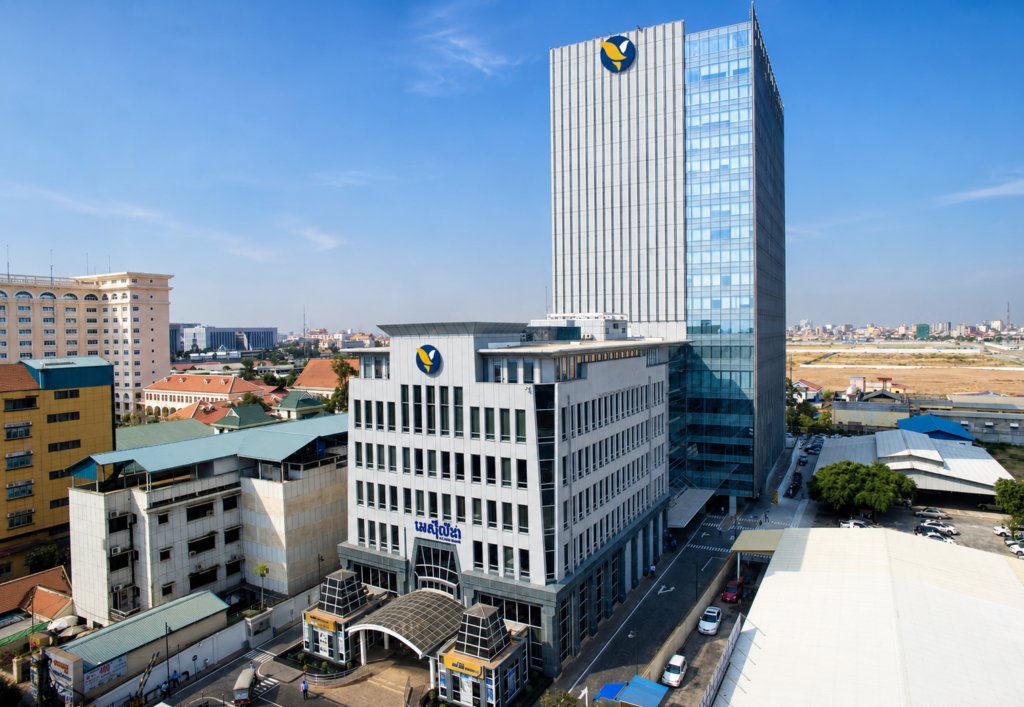
Of course, my journey at ACLEDA Bank Plc. has been deeply rewarding, and I am immensely proud of the bank’s commitment to providing equal opportunities for all. This commitment is fundamental to our success and reflects a broader, positive trend in Cambodian society.
Finally, I would like to sincerely conclude by formally expressing my profound, heartfelt gratitude to the institutions, ministries, and organizations that have systematically fostered this empowering and inclusive ecosystems. I extend my deepest thanks and appreciation to the National Bank of Cambodia (NBC), the Securities and Exchange Regulator of Cambodia (SERC), the Ministry of Women’s Affairs (MoWA), all relevant ministries, institutions, and authorities at all levels, and particularly the Royal Government of Cambodia.
Most especially, I express my immense and enduring gratitude to Dr. In Channy, our esteemed President and Group Managing Director, alongside our Board of Directors, my highly dedicated colleagues, and all employees across all levels of ACLEDA Bank Plc. and the Bank’s subsidiaries, who perform with incredible synergy, strong will, a genuine commitment to excellence, and wholehearted effort. I am equally grateful to my supportive families, relatives, and friends; our millions of deeply valued customers, partners, and investors; and the general public for their unwavering trust, confidence, support, and loyalty. We deeply appreciate the continuous opportunity to serve you and deliver the Bank’s best products and services—offerings we consistently innovate and diversify to optimize the best interests of, and create value for, our customers and all stakeholders. Through this, we remain fully committed to significantly contributing to Cambodia’s socio-economic development with robustness, resilience, inclusion, and sustainability in the context of sustainable development, the transformation toward a digital, AI-driven, and intelligent economy, the 4th and 5th Industrial Revolutions, and the emerging era of Agentic AI.
Thank you and Cambodia Leadership Review and Grow4Growth Consultant very much indeed for having me for the interview.
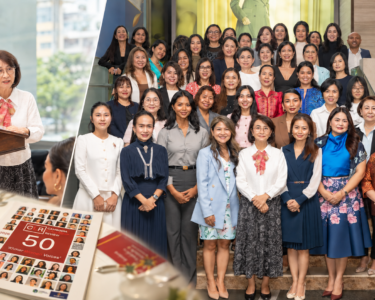
Explore the complete Cambodia Leadership Review – 50 Khmer Women Voices 2026 featuring exclusive interviews with Cambodia’s Top 50 Khmer Women leaders. Discover their journeys, leadership lessons, and vision for the Kingdom’s future.