
Cambodia Leadership Review
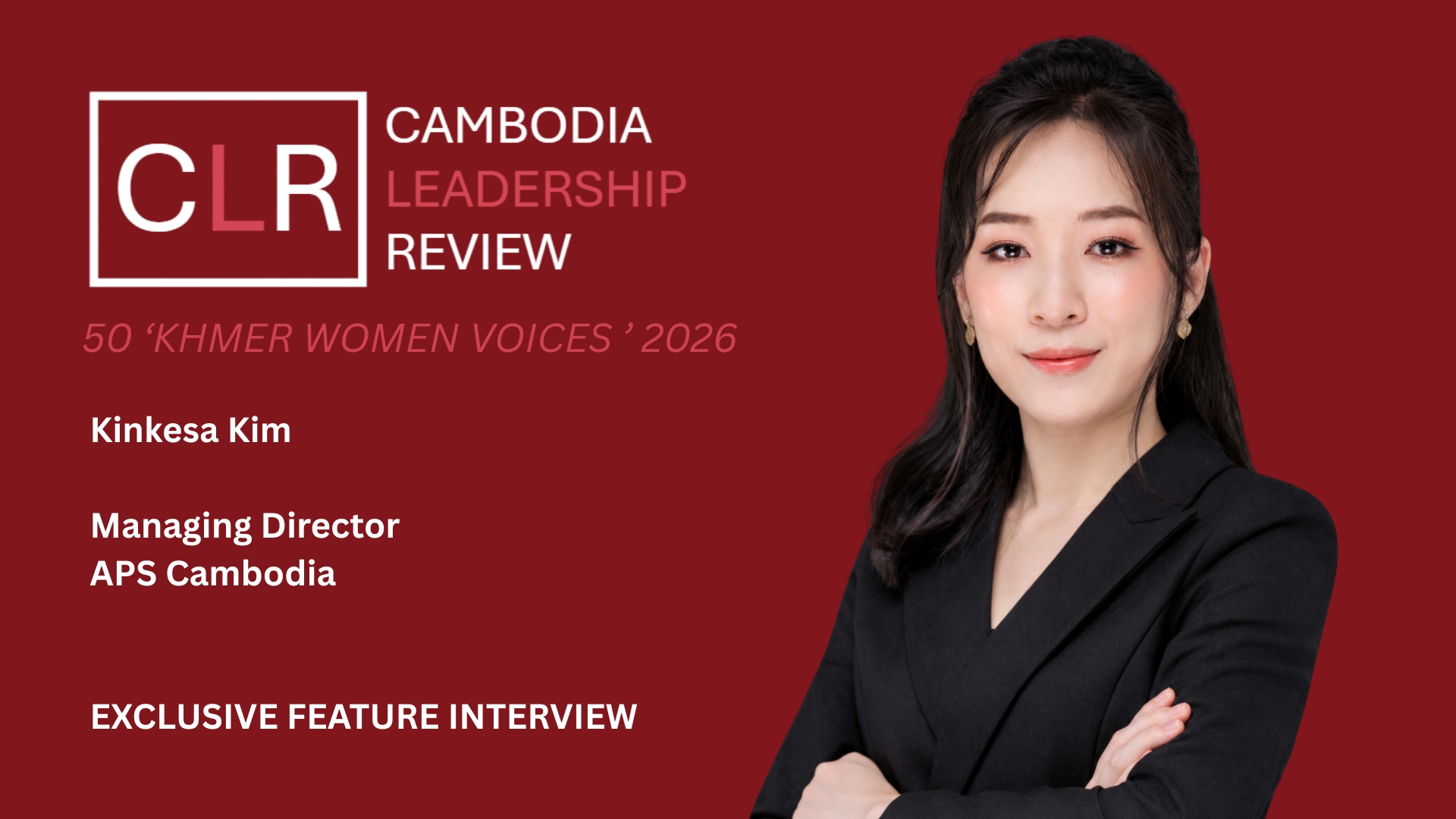
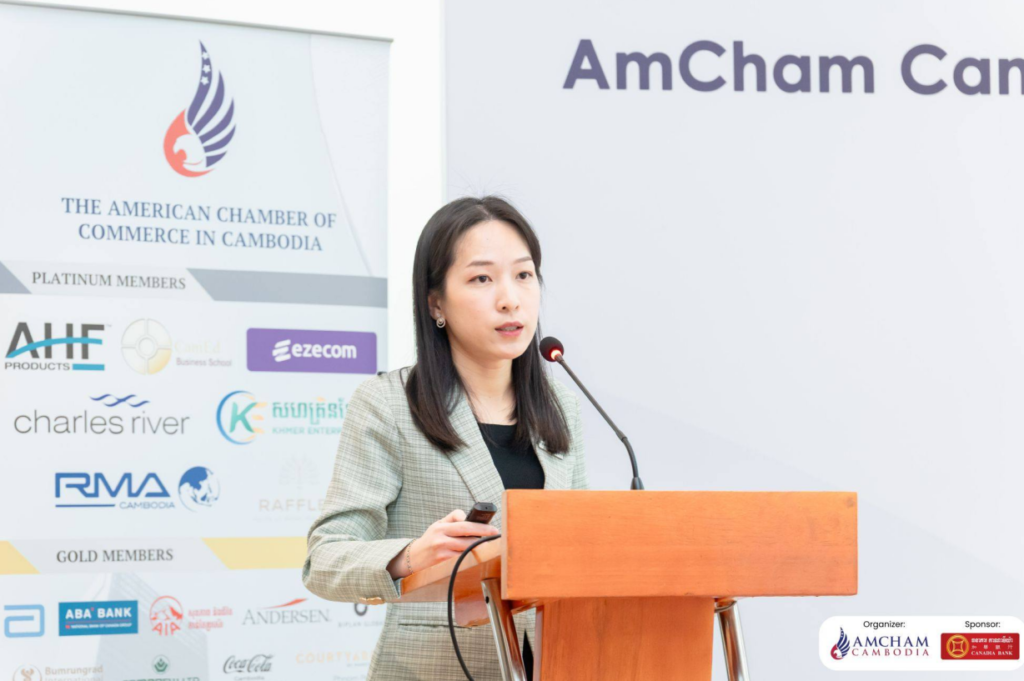
As Managing Director of APS Cambodia, Kinkesa Kim leads one of Cambodia’s leading real estate advisory firms, helping investors, developers, occupiers, and financial institutions navigate an increasingly sophisticated property market. Having built her career in research, consulting, and advisory, she has played a significant role in shaping market intelligence and strategic decision-making across Cambodia’s real estate sector.
With more than a decade of experience, Kinkesa has witnessed the industry’s transformation from a rapidly emerging market to one placing greater emphasis on transparency, professionalism, and long-term sustainability. Today, she continues to champion higher industry standards through research, data-driven advisory services, and professional development, while working closely with both local and international investors.
As one of the few women leading a major real estate advisory business in Cambodia, she is passionate about creating greater opportunities for women across the property sector. She believes the industry’s future will be defined not only by investment and development, but also by stronger governance, better market information, and a commitment to building trust.
In this edition of 50 Khmer Women Voices 2026, Kinkesa reflects on the evolving role of women in Cambodia’s real estate industry, the importance of professional standards and market transparency, leading through changing market conditions, and her advice for the next generation of women pursuing careers in property and real estate.
Women in Cambodia’s Real Estate Sector
CLR: Cambodia’s real estate industry has traditionally been seen as a male-dominated sector. From your perspective, how has the role of women within the industry evolved in recent years?
Kinkesa: From my observation, at the participation level, the number of men and women in Cambodia’s real estate sector is becoming more balanced in general. However, there is a more visible gap at the leadership level, where senior decision-making roles are still largely held by men.
But our market is becoming more professional and more knowledge driven. This creates more room for women who bring technical expertise, experience, attention to detail and strong interpersonal skills to lean in.
I hope to see more women given equal opportunity to be responsible, make decisions, lead teams and make more meaningful contribution in shaping the industry standards.
I believe the next step is to move from women’s participation to influence.
Formalising Cambodia’s Real Estate Industry
CLR: As the sector continues to mature, how important is it for Cambodia’s real estate industry to become more formalised in areas such as professional standards, licensing, transparency, and ethics?
Kinkesa: Today, we have proper licensing for agents, valuers, property managers, and developers; and clearer property ownership structures.
These are the foundations for building trust and formalizing the industry. However, we still need stronger enforcement and more consistency in professional practices. The first full real estate market cycle in the last 15 years has taught our young market that real estate is not only about buying, selling, or renting.
It can significantly affects people’s wealth, livelihoods, business operations, financial system, and long-term investment confidence. Having a formalised industry may mean the market will grow not as quickly but it protects the consumers, strengthens investor confidence, and creates a sustainable market for everyone.
Building Trust Through Transparency
CLR: Trust and reliable market information are becoming increasingly important for buyers, investors, and developers. How can the industry improve transparency around property data, pricing, and agent professionalism?
Kinkesa: Transparency is not just about publishing a price.
It is about clearly explaining what the price includes and excludes.
For example, in office leasing, a tenant should not decide based only on headline rent. They need to understand service charges, incentives, handover conditions, commercial terms, and included services and amenities. Without that context, a “cheaper” option may actually be more expensive than a “premium” option. Cambodia may not yet have the same depth of public transaction data as more mature markets, so every stakeholder has a role to play.
Regulators, business chambers, professional associations, banks, developers, and real estate agencies can all contribute through education, clearer disclosure, market dialogue, and better professional standards. At APS Cambodia, we try to contribute by training our agents to advise based on data, not just optimistic marketing.
We look at market indicators such as supply, pricing, occupancy, and demand trends and we share these insights through our quarterly Market Pulse, annual Fearless Forecast, private client briefings, forums, and in industry discussions both locally and internationally. The goal is simple: better information should lead to better decisions.
Leading Through Market Challenges
CLR: Cambodia’s property sector has experienced both rapid growth and more challenging market conditions in recent years. How do you approach leadership and decision-making during periods of industry transition?
Kinkesa: In a growth market, business leadership is often about grabbing and optimizing opportunities. In a transition market like now, leaders need to create their own opportunities through clarity, agility and discipline.
For me, clarity means knowing what matters most and aligning the team around common goals. Agility means making decisions with the information available, taking action, reviewing the outcome, and adjusting quickly when conditions change.
At the same time, we cannot neglect the business foundations. We have to protect cash flow, maintain service quality, continue developing our people and strengthening client relationships. A transition market is challenging, but it is also the time when companies build the foundation for the next cycle.
Advice for Future Women Leaders in Real Estate
CLR: What advice would you give to young Cambodian women who are interested in building careers in real estate, property advisory, or entrepreneurship?
Kinkesa: A valuable perspective I gained from Sheryl Sandberg’s book Lean In is the idea of “sitting at the table”.
I’d encourage young Cambodian women to take initiative, raise their hands, and take visible roles without waiting to be invited or given permission.
And while confidence is important, competence must come first. So, keep learning about the market, understanding the numbers, asking questions, and learning how to communicate clearly. The more competent you are, the easier it is for people to see you beyond your gender and age.
Real estate offers many paths.
Beyond sales and leasing, women can build meaningful careers in research, valuation, property management, investment, development, architecture and engineering, finance, and marketing. There is room for many different strengths.
Finally, I would also encourage them to have a strong network of mentors, not just one. Leadership and entrepreneurship require technical skills, judgment, soft skills, and resilience. A good mentor network is like a personal board of advisors who can guide you through different stages of your journey.
Explore the complete Cambodia Leadership Review – 50 Khmer Women Voices 2026 featuring exclusive interviews with Cambodia’s Top 50 Khmer Women leaders. Discover their journeys, leadership lessons, and vision for the Kingdom’s future.