
Cambodia Investment Review
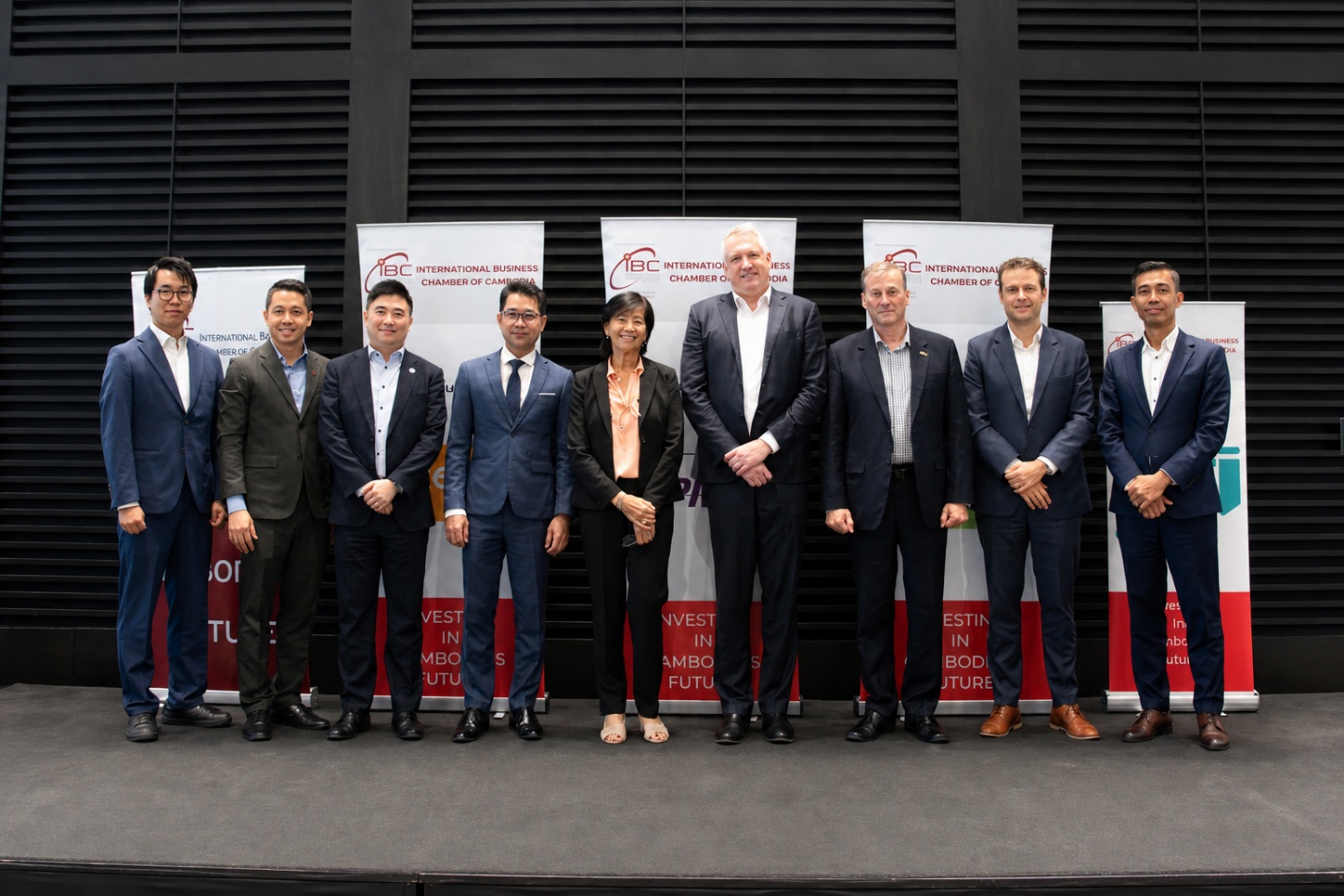
Cambodia’s business leaders gathered at Rosewood Phnom Penh on July 1 for the International Business Chamber (IBC) 6-Month Industry, where leading executives from across the Kingdom’s major industries shared their assessment of current market conditions and the opportunities and risks expected during the second half of the year.
The first session featured perspectives from Rotha Chan, Chief Executive Officer & General Manager of Manulife Cambodia, Khemara Ros, Secretary General of the Association of Banks in Cambodia, and Minea Kim, Chief Executive Officer of the Cambodia Tourism Board. While each sector faces different challenges, all three speakers agreed that Cambodia is entering a more disciplined phase of growth where resilience, quality and strategic execution will matter more than rapid expansion.
Read More: IBC Industry View and Outlook For 2026: What Finance, Real Estate, Energy and Recycling Leaders Expect Next (Part 1) and IBC Industry View and Outlook For 2026: Garments, FMCG, Logistics & Tourism Leaders Expect Next (Part 2)
Insurance: Growth Continues, But the Industry Must Shift from Expansion to Value
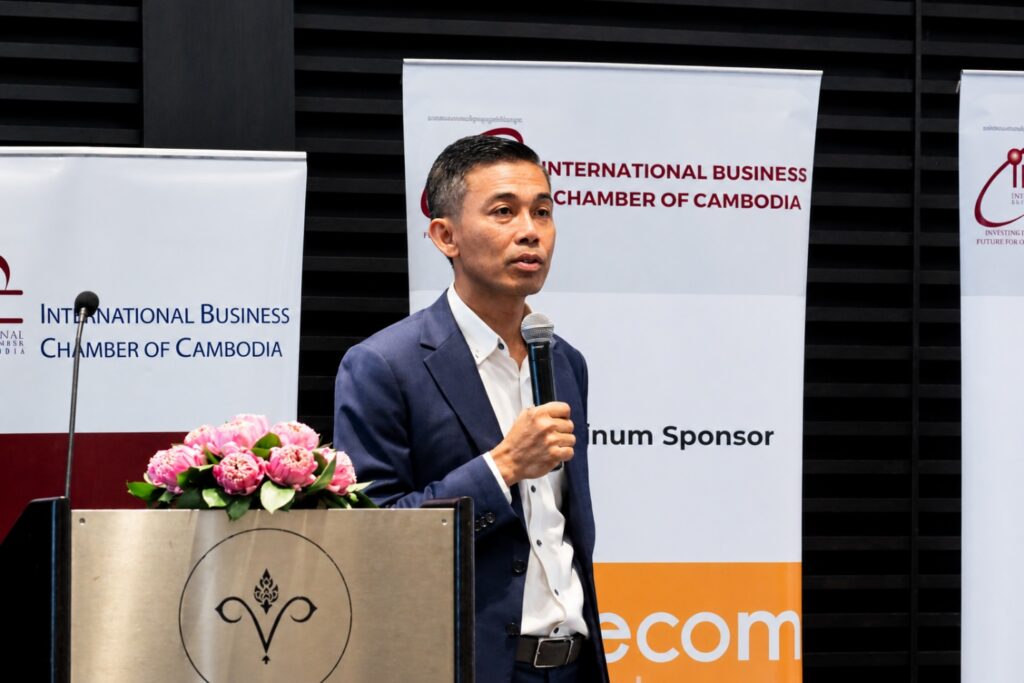
Cambodia’s insurance sector is no longer being driven by rapid market expansion but is instead entering a more mature stage focused on profitability, embedded insurance products and improving customer value, according to Rotha Chan, Chief Executive Officer & General Manager of Manulife Cambodia.
Rotha noted that Cambodia’s insurance market generated approximately US$203 million in total premiums during 2025, with renewal business continuing to grow even as new business volumes softened amid affordability pressures. While claims have increased, particularly from critical illness, deaths and policy surrenders, he said the industry’s long-term fundamentals remain strong.
“We are no longer in a rapid expansion phase. The industry is becoming more disciplined and focused on sustainable growth,” Rotha said.
He argued that Cambodia still possesses enormous untapped potential, with insurance penetration remaining at just 0.5% of GDP. Around five million Cambodians fall within the addressable middle-income market, yet only around 1.5 million people currently hold insurance policies, highlighting significant room for future growth.
Rather than relying solely on traditional agency sales, Rotha believes insurers will increasingly work alongside banks and financial institutions to embed protection into lending products, particularly credit life insurance.
“The next stage of growth won’t simply come from selling more policies. It will come from repositioning our products, embedding insurance solutions into financial services and maintaining cost discipline.”
Looking ahead, he expects greater regulatory focus on solvency standards, claims delivery and market conduct, alongside increasing demand from institutional investors for broader investment opportunities, including corporate and government bonds.
Banking: Strong Capital Buffers, But Better Credit Matters More Than More Credit
Cambodia’s banking system remains fundamentally resilient despite a slower economic environment, although banks are becoming increasingly selective in their lending decisions as asset quality becomes the sector’s primary concern, according to Khemara Ros, Secretary General of the Association of Banks in Cambodia.
Ros described the banking sector as entering a period defined by “resilient banks, stressed borrowers and selective growth.” While capital adequacy and liquidity ratios remain among the strongest in the region, banks are carefully managing risk as slower economic growth affects repayment capacity across several industries.
“The answer is not simply more credit. It is better credit,” Khemara told attendees.
He explained that future lending should increasingly support productive sectors such as manufacturing, exporters, supply chains, infrastructure and viable SMEs, rather than relying excessively on property-related lending.
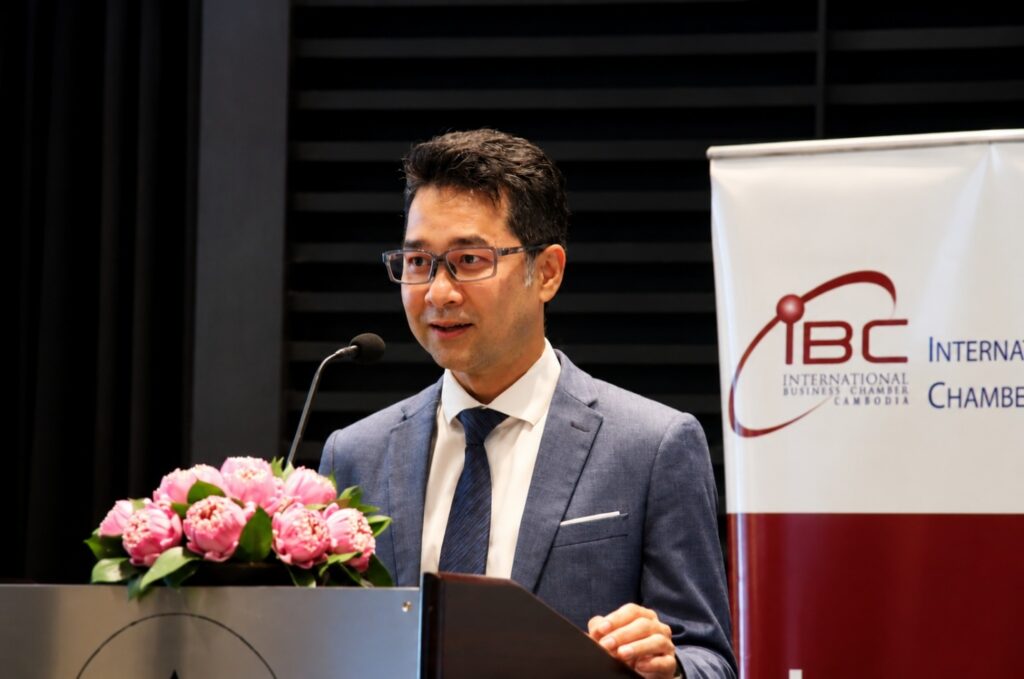
Khemara also highlighted the importance of strengthening Cambodia’s capital markets, improving collateral recovery mechanisms and expanding sustainable finance initiatives to recycle capital more efficiently across the economy.
“We need to rebalance lending towards sectors that strengthen Cambodia’s long-term economic competitiveness while ensuring responsible access to finance.”
Looking ahead over the next six months, Khemara expects macroeconomic pressures—including higher operating costs, labour market disruption and softer business conditions—to continue affecting borrower cash flow, particularly among SMEs, tourism businesses, transport operators and property-linked sectors.
Rather than pursuing aggressive loan growth, banks are expected to focus on restructuring viable borrowers, supporting repayment capacity and maintaining financial stability while continuing to finance productive investment.
Tourism: Fewer Visitors Today, Higher-Value Tourism Tomorrow
Cambodia’s tourism industry continues to face short-term challenges, but the country’s long-term positioning remains positive as the sector pivots toward attracting higher-spending visitors and diversifying its source markets, according to Minea Kim, Chief Executive Officer of the Cambodia Tourism Board.
Read More: Opinion: Every Neighbour’s Tourism Grew This Year. Cambodia’s Fell by Half.
Kim acknowledged that international arrivals during the first quarter of 2026 declined significantly compared with a year earlier, largely due to regional geopolitical tensions and lingering international perceptions surrounding Cambodia’s security environment.
“The reputation issue is being addressed through strong government action, but rebuilding international confidence takes time, continued engagement and effective promotion,” Minea said.
Despite lower visitor numbers, he noted that tourism revenue has remained comparatively resilient as Cambodia increasingly attracts travellers who spend more per visit, particularly those interested in cultural experiences, eco-tourism and premium travel.
Minea also highlighted a series of new partnerships with airlines, travel agents and international tourism operators designed to rebuild demand, alongside familiarisation trips, destination marketing campaigns and efforts to attract more international events.
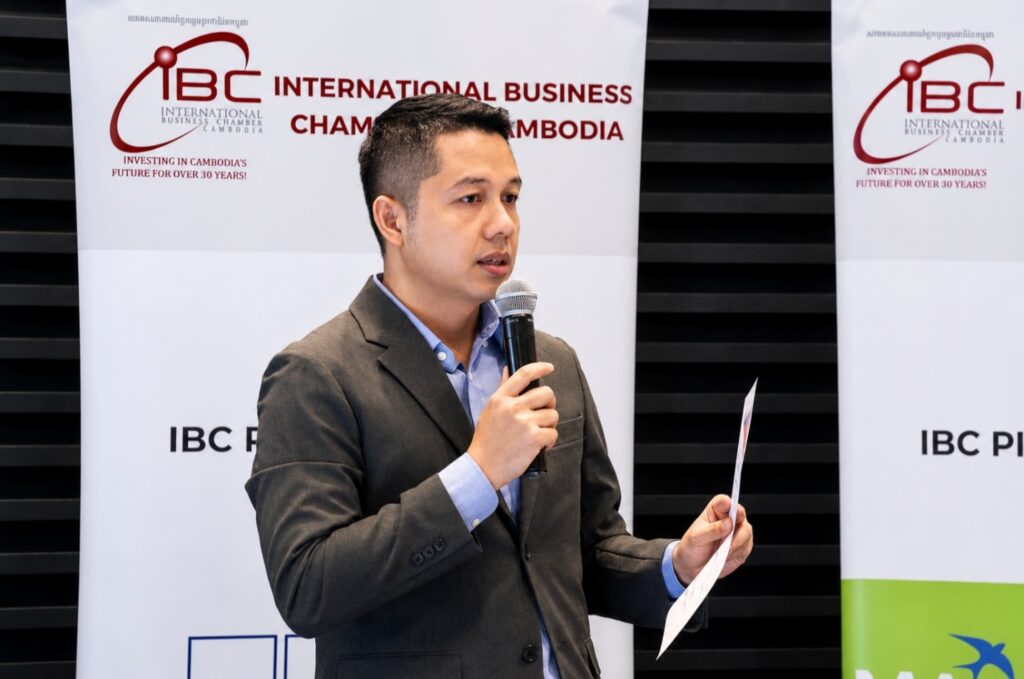
“The opportunity is shifting towards value rather than simply volume. Cambodia is well positioned to attract higher-quality tourism and diversify beyond its traditional source markets.”
He said Cambodia could also benefit from changing regional travel patterns, particularly as geopolitical tensions encourage Chinese travellers to consider alternative Asian destinations. The Kingdom’s visa-free policy for Chinese visitors, together with growing opportunities in markets such as Japan, India, Australia, New Zealand, the United States and ASEAN, could support a gradual recovery during the remainder of the year.
Over the next six months, Minea expects tourism operators to place greater emphasis on the domestic market while maintaining competitive pricing and preparing for stronger international demand as market confidence improves.
A Common Message Across Three Industries
Although insurance, banking and tourism each face different challenges, the overarching message from the IBC Outlook was remarkably consistent: Cambodia’s economy is entering a period where quality will matter more than quantity.
For insurers, that means deeper market penetration and embedded financial protection. For banks, it means better-quality lending that supports productive sectors. For tourism, it means attracting higher-value visitors rather than simply chasing arrival numbers.
Rather than expecting a rapid rebound, business leaders suggested the second half of 2026 will reward organisations that remain disciplined, invest strategically and position themselves for Cambodia’s next phase of sustainable economic growth.