

Cambodia Investment Review
As Cambodia accelerates its digital transformation and long-term economic ambitions, labour advocates and development organisations are warning that millions of informal economy workers risk being left behind without stronger protections, training, and social support systems.
The Independent Democracy of Informal Economy Association (IDEA) and Oxfam jointly marked the 140th anniversary of International Labour Day in Phnom Penh on May 11 under the theme “Together Promoting Decent Work in the Digital Context for Informal Economy Workers.”
The event brought together around 250 participants, including representatives from trade unions, civil society organisations, informal worker groups, development partners, and government ministries, highlighting growing concerns around the future of work in Cambodia’s rapidly evolving digital economy.
Informal workers remain central to Cambodia’s economy
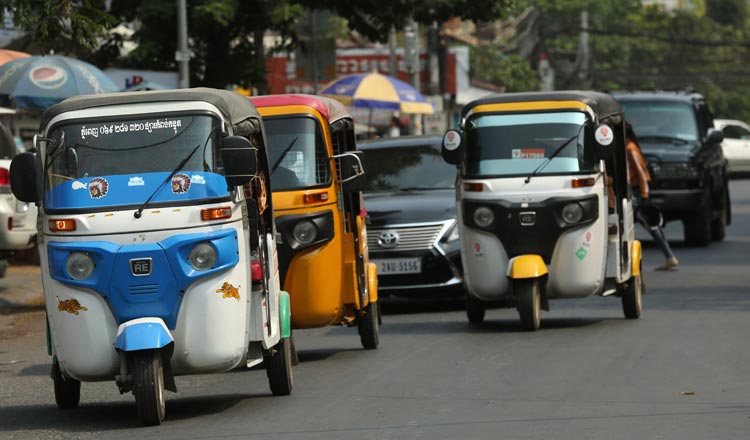
Informal economy workers — including street vendors, domestic workers, waste pickers, smallholder farmers, and food delivery riders — continue to play a significant role in Cambodia’s labour market and economic activity. Organisers noted that the sector has helped absorb returning migrant workers, supported local livelihoods, and contributed to food security across the country.
Read More: Grab Introduces Driver Subsidies and Pricing Adjustments in Cambodia as Fuel Costs Rise
Despite this contribution, many workers remain outside formal labour protections and continue to face unstable incomes, workplace safety risks, and limited access to healthcare and social protection schemes.
Ms. Sophoan Phean, National Director of Oxfam, said Cambodia’s digital transition must include policies that protect and empower informal workers rather than deepen existing vulnerabilities.
“Informal economy workers are the driving force of Cambodia’s economy,” she said, adding that digital transformation and social protection policies should ensure workers are not excluded from economic progress.

Gig economy growth highlights gaps in labour protections
Speakers at the event pointed to the rapid rise of gig and platform-based work in Cambodia, particularly in urban centres such as Phnom Penh, where food delivery riders and app-based service workers have become increasingly visible.
While digital platforms are creating flexible earning opportunities, labour groups argue that many workers are operating without the protections commonly available in the formal sector, including paid leave, healthcare coverage, retirement benefits, or minimum wage guarantees.
IDEA President Mr. Pao Vorn said Cambodia’s policy framework must evolve alongside changes in the labour market, particularly as platform-based work expands.
He noted that many gig workers remain classified as independent contractors, limiting their eligibility for social protection benefits and legal protections typically available to formally employed workers.
Food delivery workers attending the event also highlighted challenges surrounding digital literacy and access to healthcare registration systems, saying many workers struggle to navigate online platforms linked to social protection schemes.
Social protection and digital literacy seen as key solutions
Participants said expanding social protection systems, improving occupational health and safety standards, and increasing digital literacy training would be essential to ensuring inclusive economic growth.
The Royal Government of Cambodia has already introduced several initiatives aimed at expanding support for informal workers, including broader social security coverage, health equity cards, cash assistance programmes, and digital registration systems linked to vocational training and skills development.
However, organisers said challenges remain, including rising living costs, limited childcare support, low digital literacy, and insufficient research data on informal workers, particularly in Phnom Penh’s growing urban economy.
The event also included presentations from the Ministry of Industry, Science, Technology and Innovation on recent policy developments, alongside panel discussions focused on social protection in the digital era and improving occupational health and safety for informal workers.
Organisers said greater cooperation between government institutions, labour groups, development partners, and workers themselves would be critical to building a more inclusive labour market as Cambodia’s economy becomes increasingly digitised.