

Cambodia Investment Review
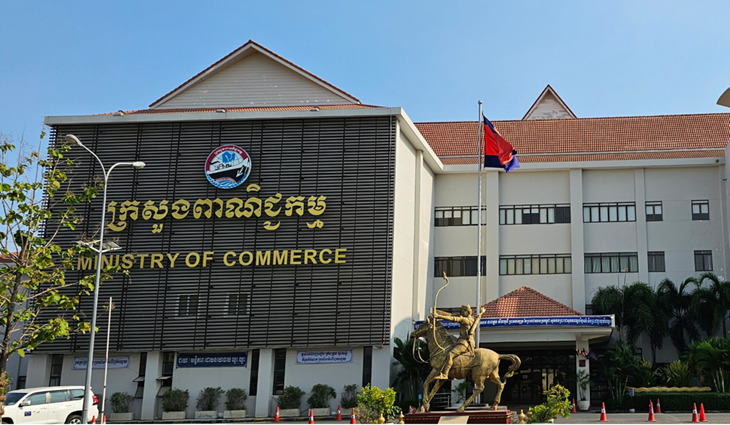
Members of Cambodia’s business community are seeking further clarification and dialogue with the Ministry of Commercev following the issuance of Prakas No. 117 on the Simplification of Business Registration, citing concerns that several provisions could unintentionally discourage small and medium-sized enterprises (SMEs) from operating formally.
Prakas No. 117, signed on December 9, 2025, and effective from January 8, 2026, introduces a comprehensive framework governing business registration, amendments, annual declarations, dissolution procedures, and the formal introduction of licensed company secretaries . While the regulation is positioned as a measure to improve efficiency and governance, business representatives say certain requirements may increase compliance costs and complexity, particularly for smaller firms.
Company secretary requirements draw scrutiny
A central concern relates to the mandatory appointment of licensed company secretaries for all registered companies. Under Chapter 9 of the Prakas, companies are required to appoint one or more company secretaries within three months of registration and formally register them with the Ministry of Commerce.
The regulation distinguishes between individual and corporate company secretaries. Individual secretaries must meet specific educational and experience criteria, undergo Ministry-approved training, and place a security deposit of 4 million riels. Corporate secretarial service providers, including law firms and accounting firms, are subject to higher requirements, including a security deposit of 40 million riels and formal approval by the Ministry.
Business stakeholders have noted that these deposits, alongside training and licensing requirements, could add significant upfront costs for newly established or micro-sized companies, potentially creating a barrier to entry for entrepreneurs considering formal registration.
Scope of authority raises governance questions
Beyond cost considerations, businesses have also highlighted concerns regarding the scope of authority granted to company secretaries. Article 26 of the Prakas outlines a broad set of duties, including the ability to receive legal summons, maintain company records, liaise with authorities, and, notably, sign documents or contracts on behalf of the company, even without the company seal.
While these powers are intended to streamline compliance and improve corporate governance, some business owners argue that the provisions could blur lines of accountability between directors and appointed secretaries, particularly in smaller firms where governance structures are less complex. Several stakeholders have indicated that clearer safeguards or limitations may be needed to avoid unintended legal or operational risks.
Consultation process questioned
Representatives from the private sector have also raised process-related concerns, noting that a meeting was held with the Ministry of Commerce on December 17, 2025, to provide input on the proposed regulation. According to participants, it was only later understood that the Prakas had already been signed on December 9, prior to the consultation.
Business groups say this sequence has prompted questions about the role of stakeholder consultation in the regulatory process, particularly for measures with wide-ranging implications for the private sector. They have since requested an urgent follow-up meeting with the Ministry to discuss possible adjustments or clarifications.
Implications for SME formalisation
Cambodia has spent recent years encouraging informal businesses to enter the formal economy, supported by digital registration platforms, simplified procedures, and incentives aimed at broadening the tax base and improving regulatory compliance. Business advocates caution that overly complex or costly compliance requirements could undermine these efforts.
SMEs, which make up the majority of businesses in Cambodia, often operate with limited capital and administrative capacity. Industry observers note that additional mandatory roles, deposits, and annual obligations may prompt some enterprises to delay registration or remain informal, counter to broader policy objectives.
Calls for dialogue and refinement
The business community has emphasized that its concerns are not aimed at opposing regulation, but at ensuring proportionality and practicality. Many stakeholders acknowledge the importance of transparency, anti-money laundering controls, and stronger corporate governance, all of which are addressed in the Prakas.
However, they argue that further dialogue could help refine implementation, clarify ambiguous provisions, and consider differentiated requirements based on company size or risk profile. As discussions continue, businesses are awaiting feedback from the Ministry of Commerce on whether amendments, guidance notes, or transitional measures may be introduced to address the concerns raised.