
Cambodia Investment Review
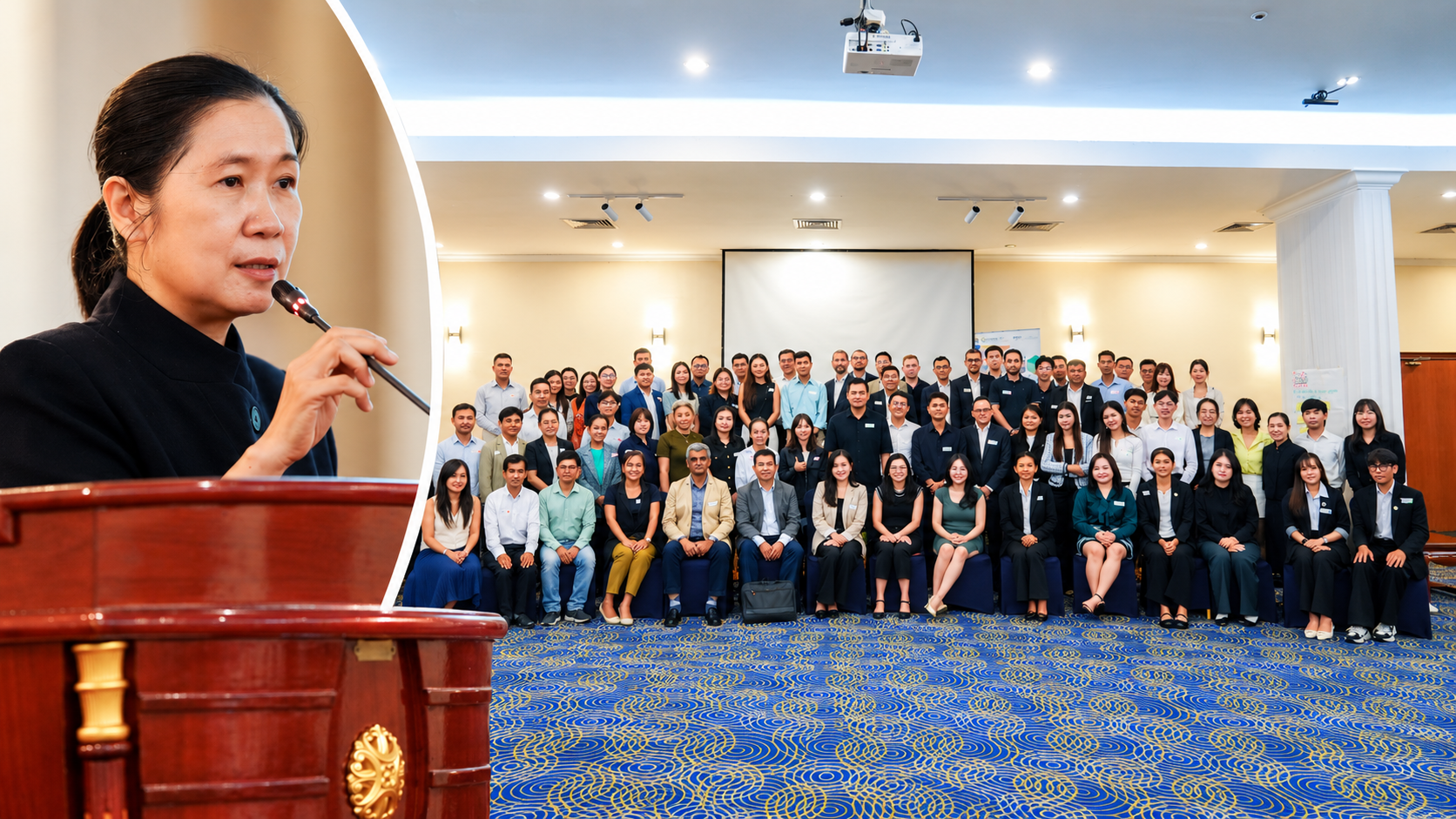
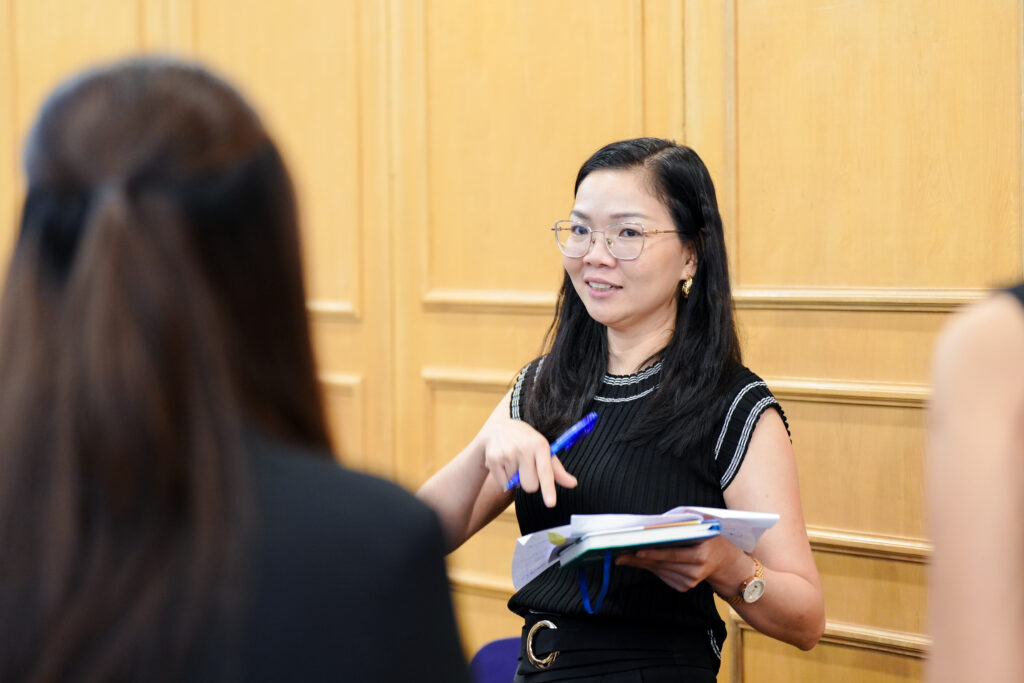
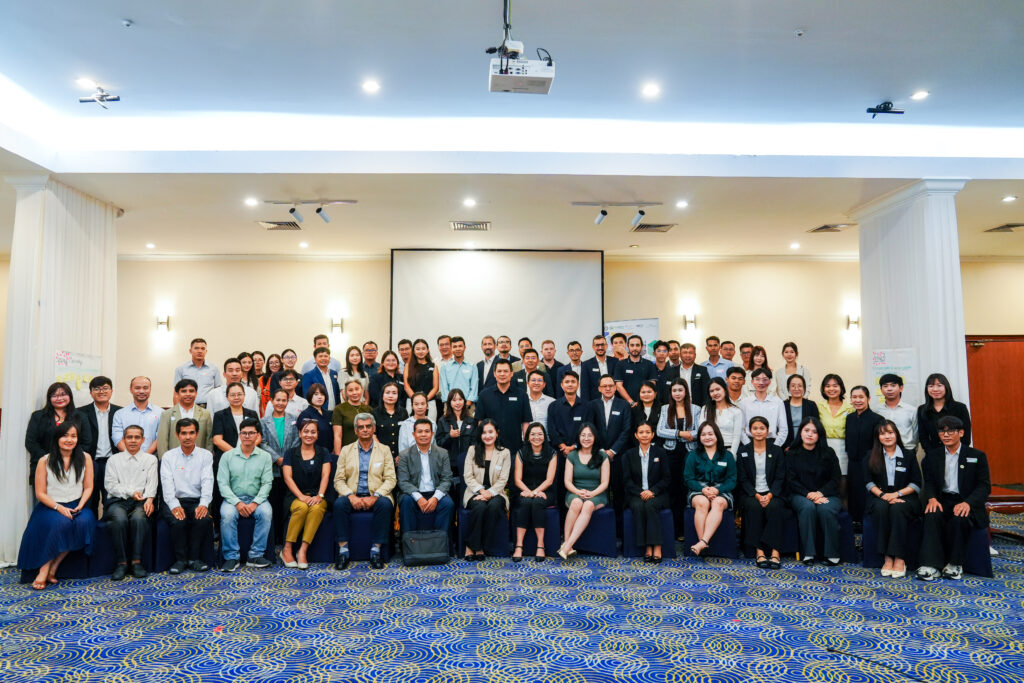
The 35th Give a Day event brought together 86 participants at Hotel Cambodiana in Phnom Penh on 23 September to examine how Cambodia’s entrepreneurial ecosystem has evolved and where businesses still struggle to find support.
Held under the theme “Understanding the Evolution of Cambodia’s Entrepreneurial Ecosystem,” the meeting presented preliminary findings from a 2026 social network analysis covering Phnom Penh, Siem Reap and Battambang. Participants were asked to test the findings against their experience and help shape the final report.
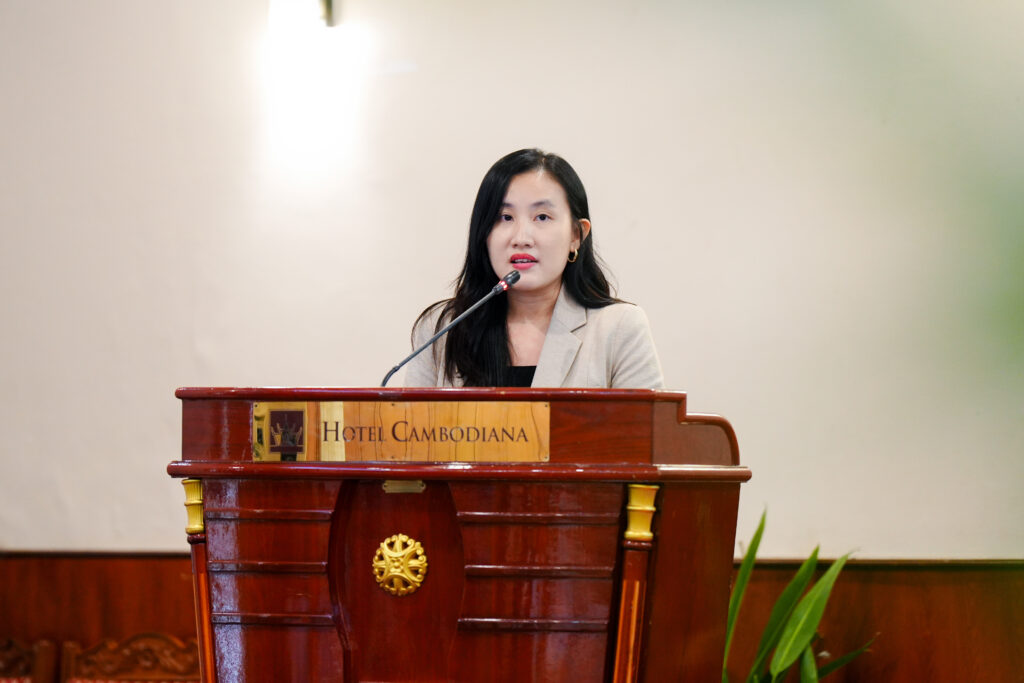
The latest event builds on Give a Day 33, which focused on practical cooperation between entrepreneurial support organisations and financial actors. Give a Day is co-implemented by Khmer Enterprise and Swisscontact through the Enhancing Entrepreneurial Ecosystem and Investments initiative.
Stronger Connections Across the Ecosystem
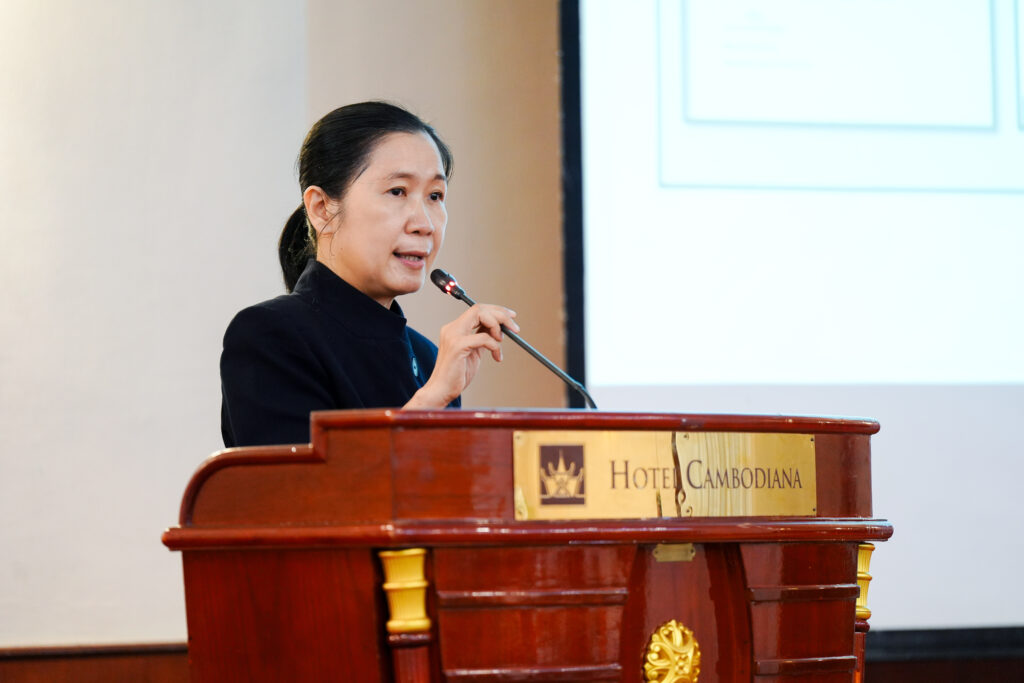
Ek Sopheara, a consultant at BDTruS, presented findings comparing conditions in 2026 with previous studies from 2024 and 2021. The analysis examined access to support, collaboration between organisations, mentorship, peer exchange and the visibility of entrepreneurial role models.
Collaboration has expanded in all three locations. Among ecosystem actors with at least one collaboration, those in Phnom Penh averaged 8.9 connections, up from 7.5 in 2024 and 6.0 in 2021. The average rose from 6.1 to 10 in Siem Reap and from 6.6 to 11 in Battambang between 2024 and 2026.
Khmer Enterprise remained a central hub, attracting the most connections from support organisations, investors and financial institutions. The most common partnerships involved delivering programmes together, sharing knowledge, building capacity and referring entrepreneurs to other organisations.
The study found less evidence of joint fundraising, pooled funding and research and development. Participants said stronger referrals could help entrepreneurs navigate the growing number of programmes and find support that matches their business stage.
Access to that support varied by location. A higher share of Phnom Penh entrepreneurs reported receiving support than in 2024, with women entrepreneurs, innovative ventures and social businesses reporting relatively high rates. The share receiving support fell in Siem Reap and Battambang.
Funding Needs Do Not Always Match Investor Capital
Access to external funding declined among entrepreneurs in Phnom Penh and Battambang compared with 2024. In Phnom Penh, grants overtook bank and other financial institution loans as the leading source of external finance.
The findings pointed to a mismatch in investment size. Most entrepreneurs surveyed needed less than US$50,000, while many surveyed investors typically make larger investments. That leaves businesses seeking modest amounts of capital with fewer suitable options, even as connections among support organisations improve.
During group discussions, participants proposed funding for smaller capital needs, clearer investment readiness programmes and financing tied to business milestones. They also suggested better assessments of what each entrepreneur needs before entering a support programme, followed by help that continues as the business develops.
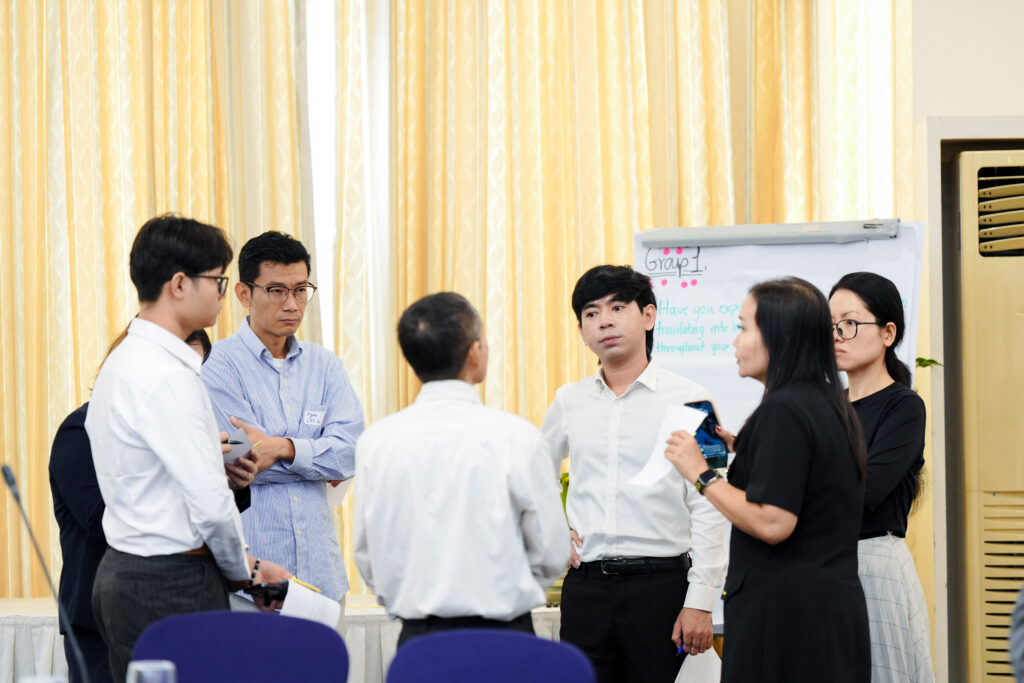
Participants said Cambodia has a range of general services, including incubators, accelerators, grants and loans. More specialised assistance remains harder to find. They highlighted investment readiness, international market access, export standards, digital adoption, legal and tax compliance, and support for businesses preparing to expand.
Market access was identified as both a leading need and a common area of support in all three locations. Other needs were less consistently matched: entrepreneurs in Siem Reap, for example, identified business planning, finance and logistics as areas requiring more support.
Mentorship and Peer Exchange Remain Uneven
The pool of mentors has grown since 2024, with most based in Phnom Penh. Nevertheless, the share of entrepreneurs with a mentor declined in all three locations, most sharply in Battambang. Participants said practical business experience and a clear match between a mentor’s expertise and an entrepreneur’s needs were essential.
Peer exchange also differed by location. Battambang recorded the strongest participation, while exchange among Phnom Penh entrepreneurs remained comparatively modest despite the capital’s concentration of support organisations. Participants cited limited time, competing priorities and a less personal business environment as possible reasons.
The findings remain preliminary. The 2026 study included more than 500 respondents, compared with more than 300 in 2024, and retained half of the earlier respondents. Feedback gathered at Give a Day 35 will be used to refine the final report.
For participants, the next challenge is turning a more connected ecosystem into practical results: helping entrepreneurs identify the right support, reach suitable financing and build relationships that continue beyond individual events.