
David VAN
Over the last three decades‚ the Kingdom has successfully transitioned from a post-conflict‚ agriculture-based economy into one of Southeast Asia’s most competitive and flexible manufacturing centers‚ producing a rich and diverse array of goods from clothing‚ footwear‚ bicycles‚ travel goods‚ motorcycle parts‚ electrical equipment to automobile parts․ This achievement has attracted billions of US dollars in foreign direct investment and created hundreds of thousands of jobs․ The draft Cambodia Industrial Development Policy (IDP) 2026-2035 rightly states that Cambodia’s next stage of development cannot be based solely on lower manufacturing costs and investment incentives․ To maintain international competitiveness‚ the country must increase productivity‚ technology‚ innovation‚ localisation‚ digital transformation‚ make efforts to overcome supply chain bottlenecks and integrate better in global value chains․
The draft policy is ambitious‚ forward-looking and strategically sound․ But one major question still remains unanswered: How is everything to be implemented in practice?
This is not only a Cambodian problem․ Every government produces thorough policy papers that never see the light of day in terms of implementation․ Policies are generally excellent on what needs to be done‚ but where they fall short is on such issues as who is to implement‚ who is to pay‚ when is it to be done‚ how is it to be monitored and who is to be accountable․ That implementation gap is where success or failure is ultimately decided․
A Policy Is Not an Implementation Plan. The draft IDP provides an excellent policy framework identifying priority sectors and global megatrends (artificial intelligence‚ Industry 4․0‚ climate change‚ restructuring of the supply chain and Cambodia’s graduation from Least Developed Country (LDC) status) as well as long-term objectives․ As with most national strategies‚ it is largely a policy document․ It tells us where Cambodia wants to go․
However, it says comparatively little about the detailed machinery required to get there․ It sets out strengthening industrial skills‚ but which ministry will design the curricula and institutions responsible for teacher training? How are employers involved? How will it be funded? What are the occupational standards? What would be the indicators of success of the program?
Similar questions can be asked with regards to investment promotion‚ export diversification‚ industrial localization‚ innovation‚ logistics‚ finance and digitalisation․ Implementation‚ somehow‚ is a patchwork without operational answers․
Cambodia Is Entering a Different Stage of Industrialisation. While Cambodia’s industrial policy has been effective in the last twenty years‚ it will not be enough for the next ten years․ Cambodia today has a fundamentally different competitive landscape․
Graduation from LDC status will phase out preferential market access․ Global manufacturers are reorganizing supply chains due to geopolitical tensions․ Buyers want to know about ESG compliance‚ carbon reporting‚ traceability․ Manufacturing is evolving with the introduction of artificial intelligence and automation․ ASEAN economies are increasingly competing for high-value investments․
Thus‚ Cambodia needs to move beyond factory-centered economic development․ The ultimate objective should be to build an integrated industrial ecosystem‚ based on the capacity to create technology‚ innovation‚ skills and domestic value․ Realizing this goal requires more than just policy statements․ It requires disciplined execution․
Turning Policy into Programmes: as such‚ Cambodia should prepare an Industrial Development Policy Implementation Guide for the IDP․ Although it would not replace the official IDP‚ it would be the operational instrument that translated policy objectives into implementable programmes․
Recommended policies would answer practical questions such as:
Which ministry leads implementation?
Which agencies provide support?
What budget is required?
What are the implementation milestones?
Which KPIs will track progress?
How are risks managed?
How is performance reported?
What is done if any of the targets are missed?
This approach translates aspirations into concrete actions․
Building the Institutions That Deliver Results! International experience shows that institutions can be as important in industrialisation as the actual strategy․
- Singapore established the Economic Development Board․
- South Korea established powerful industrial coordination mechanisms․
- Taiwan made important investments in tech institutes and SMEs․
- Vietnam’s high investment promotion complemented its supplier development program․
In every case‚ the state built strong institutions to coordinate implementation across ministries․
The draft IDP of Cambodia proposes that an Implementation Unit be established; an implementation guide can provide more detail on the governance architecture․ For example‚ it could recommend:
- a National Industrial Development Council chaired at the highest political level;
- a professional Programme Management Office for coordination;
- sector-specific steering committees;
- provincial industrial councils;
- annual implementation plans;
- digital performance dashboards;
- structured risk management systems;
- annual industrial development reports․
This is common in successful industrial countries and provides continuity beyond individual ministries and political administrations․ Investment Promotion Must Become Relationship Management. Investment promotion itself also needs to evolve․ For many years the number of investment project approvals was the sole success measure by the CDC․ That metric is no longer sufficient․ Attracting the right investment will be important for the future competitiveness of the Kingdom․
A modern implementation guide could therefore introduce practical initiatives including:
- investment intelligence systems;
- targeting multinational corporations; and
- investor relationship managers;
- digital investor CRM platforms;
- structured aftercare programmes;
- fast-track approval mechanisms;
- industrial ombudsman services;
- annual investment pipelines․
These tools move investment promotion from being an administrative process to being a long-term partnership․
Developing Cambodian Suppliers. The most important opportunity relates to industrial localisation․
While employment and export markets have been created by foreign direct investment‚ the value added in the domestic economy remains largely in imported materials‚ components and services․ This requires Cambodia-based businesses to be able to compete on international markets․
An implementation guide could therefore suggest structured supplier development programmes involving:
- supplier capability assessments;
- certification grants;
- technology upgrading;
- SME innovation funds;
- industrial mentoring by multinational corporations;
- national supplier databases;
- buyer-supplier matchmaking platforms;
- industrial cluster development․
These mechanisms would therefore make localisation a truly measurable value‚ not just an aspiration․
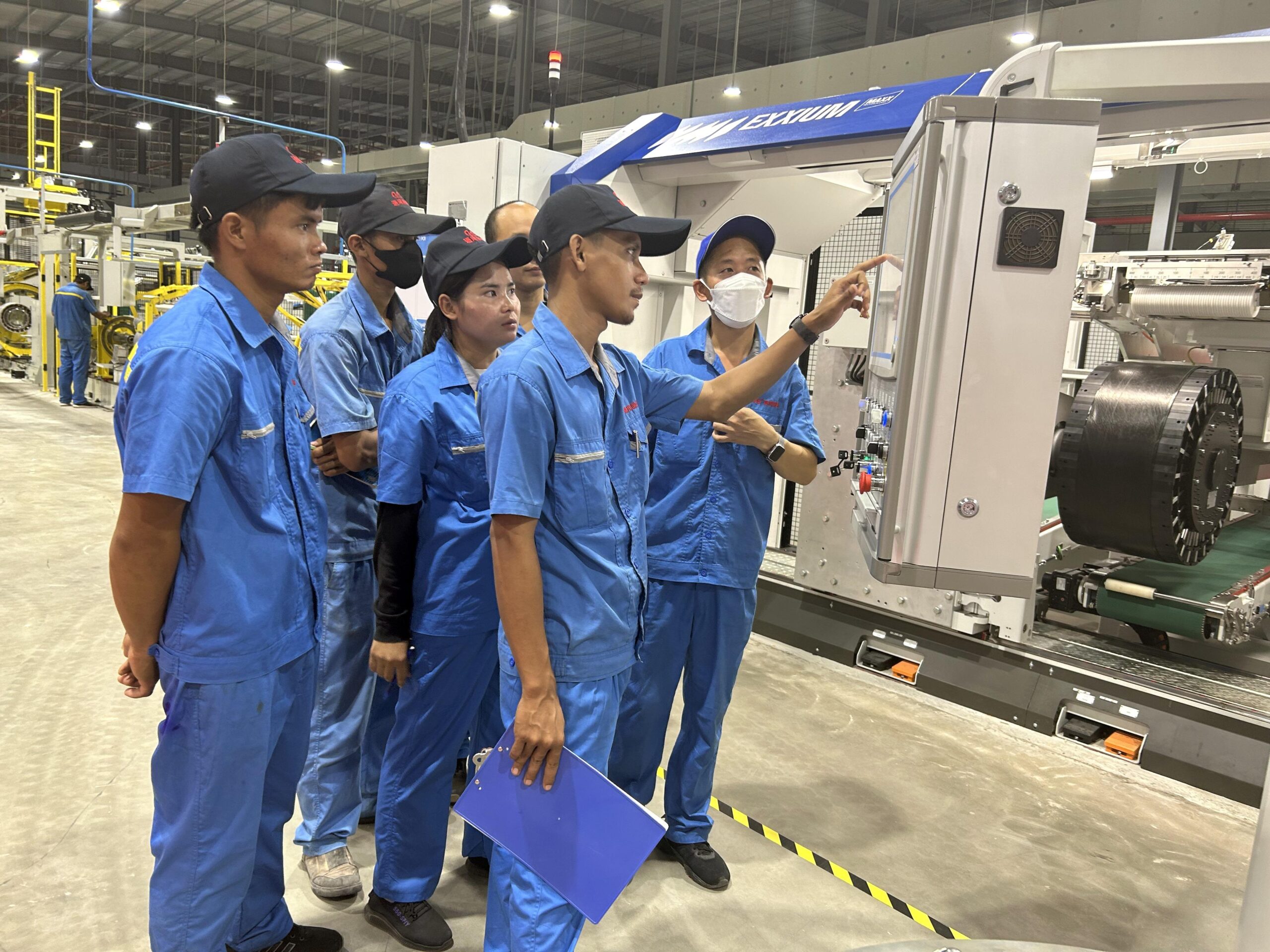
Human Capital as Industrial Infrastructure. It is impossible to consider industrial policy without also considering education policy․ The future manufacturing workforce will include technicians‚ automation engineers‚ quality managers‚ robotics engineers‚ industrial software developers and advanced production supervisors․
As a result‚ a potential implementation guide would link TVET‚ universities and employers together to create a national skills roadmap that updates curricula based on industry demand․ Skills development should be regarded as a core element of industrial competitiveness‚ not a separate social policy․
Monitoring What Matters. Accountability is another strength of the implementation guide․ Successful programmes are monitored repeatedly during implementation‚ rather than just at the end of a programme cycle․
By reporting regularly against agreed KPIs‚ governments can address implementation bottlenecks as they arise‚ adjust programmes as necessary and sustain the confidence of investors and development partners․ Implement annual scorecards‚ digital dashboards‚ and independent evaluations to ensure transparency and opportunities for improvement․
A Practical Tool for Government and Partners. Such a guide would not only be for government officials․ It could also serve as an operational reference for provincial administrations‚ development partners‚ investors‚ financial institutions‚ universities‚ industry associations and SMEs․
By clarifying institutional roles‚ financing‚ implementation roadmaps‚ and measurable outcomes‚ coordination among different players of the industrial ecosystem would improve․ Overall‚ development partners and others could have greater confidence if programmes were fully costed and linked to measurable outputs․ Cambodia’s long-term industrial outlook would be clearer to investors․ Provincial authorities would be given guidance for local implementation․
From Aspiration to Execution: Cambodia has already shown it can produce ambitious national policies․ The next task is to build equal excellence in implementation․ The draft Industrial Development Policy offers the calculated vision․ To achieve this vision‚ a Practical Implementation Guide would clarify the discipline required to deliver the results․ History shows us that countries do not become industrial leaders by writing better policies․ They succeed because they implement them better․
If Cambodia is to realize its ambition to become an innovation-driven‚ high-value and globally competitive industrial economy by 2035‚ a detailed and strong implementation road map and action plan may be one of its most important reforms․
3-7-2026
David Van is a veteran Cambodian business strategist and public policy advisor with over 45 years of multinational corporate, trade, and investment experience across Southeast Asia. A pioneer in Public–Private Partnerships (PPP) and blended finance, he has helped shape Cambodia’s trade, transport, skills, and industrial development policies while advising governments, multilateral agencies, and global corporations.