

Cambodia Investment Review
Cambodia’s banking sector is being urged to play a larger role in financing the country’s climate transition as regulators, policymakers and industry leaders work to mobilize more than $32 billion in green investment needed to meet the Kingdom’s emissions reduction targets by 2035.
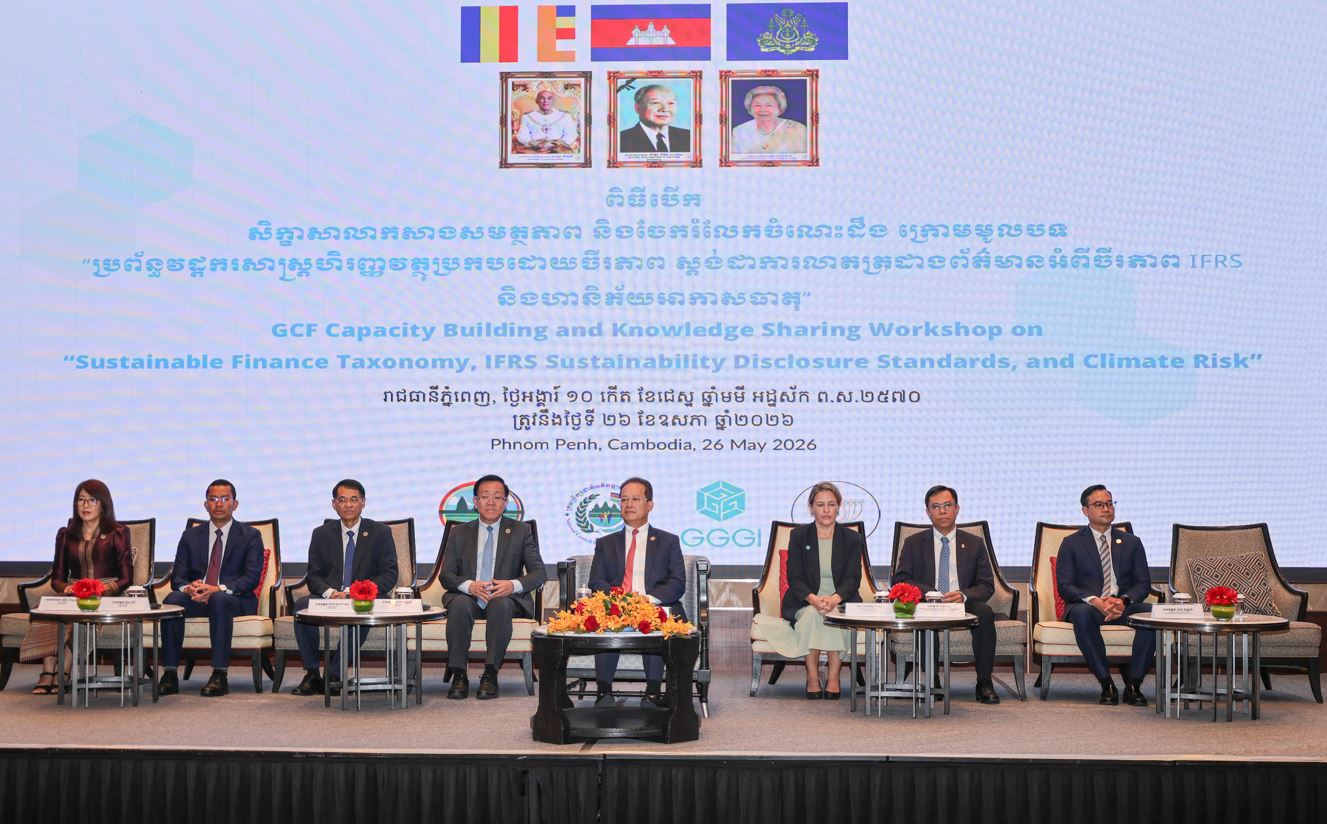
The call came during a two-day capacity-building workshop on Sustainable Finance Taxonomy, IFRS Sustainability Disclosure Standards and Climate Risk, jointly organized by the Association of Banks in Cambodia (ABC) and the Global Green Growth Institute (GGGI) in Phnom Penh.
The event brought together more than 100 representatives from government ministries, regulators, banks and financial institutions to discuss how Cambodia’s financial sector can better manage climate-related risks while increasing investment into sustainable development projects.
The workshop comes as Cambodia advances a series of sustainable finance reforms, including the recent launch of the Sustainable Finance Taxonomy for the Cambodian Banking Sector by the National Bank of Cambodia and preparations for the adoption of IFRS Sustainability Disclosure Standards under a roadmap being led by the Accounting and Auditing Regulator.
Identify and Classify Green Investments
Industry leaders said these frameworks will help banks identify and classify green investments, improve climate-related disclosures and strengthen access to international climate finance.
Cambodia remains among the countries most vulnerable to climate change due to its reliance on agriculture, fisheries and water resources. At the same time, the government has committed to reducing greenhouse gas emissions by up to 55% by 2035 through its Third Nationally Determined Contribution (NDC 3.0).
According to government estimates, achieving these targets will require more than $32 billion in green investment over the coming decade.

“The private sector, particularly the financial sector, plays a pivotal role in closing the climate finance gap by mobilizing, allocating and scaling up the finance required to achieve national climate mitigation and adaptation targets,” said Dith Sochal, ABC Council Member and Chairman of the Sustainability Committee.
He noted that public funding alone will be insufficient to finance Cambodia’s transition toward a low-carbon and climate-resilient economy, making greater participation from commercial banks and financial institutions essential.
Climate Risk Becoming Financial Risk
Nathalie André, Country Representative of GGGI Cambodia, said climate change is increasingly becoming a material financial risk for the banking sector.
She said financial institutions will need stronger capabilities in climate risk assessment, stress testing and sustainability reporting to improve resilience and attract international sources of climate finance.
Read More: NBC Releases Inaugural Rulebook Defining What “Green Finance” Means in Cambodia
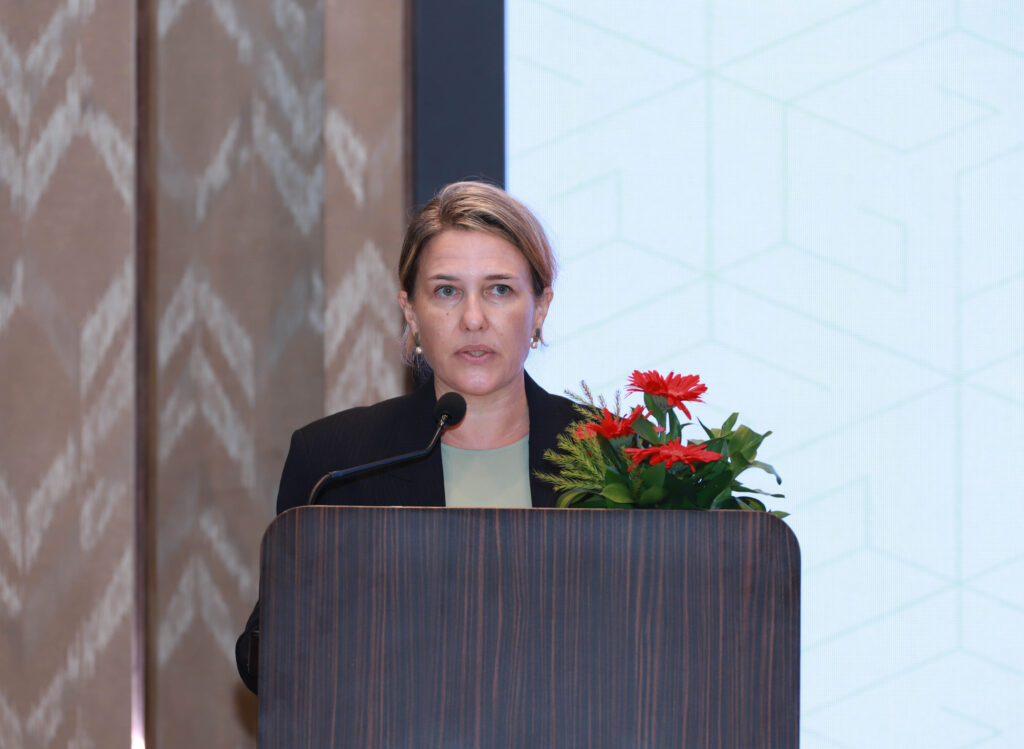
“Climate risk is financial risk,” André said, adding that strengthening these capacities would help expand Cambodia’s access to global climate funding mechanisms.
The Green Climate Fund (GCF), one of the world’s largest climate financing institutions, currently manages more than $30 billion in capital and is expected to play a key role in supporting climate projects across developing economies.
Government Sees Climate Transition as Economic Opportunity
Speaking at the opening ceremony, Minister of Environment H.E. Dr. Eang Sophalleth said Cambodia is seeking to transform climate challenges into economic opportunities through sustainable development initiatives and climate-focused investment.
He highlighted the government’s commitment to achieving the sustainability objectives outlined under Cambodia’s Circular Strategy on Environment while strengthening the country’s resilience against future climate impacts.
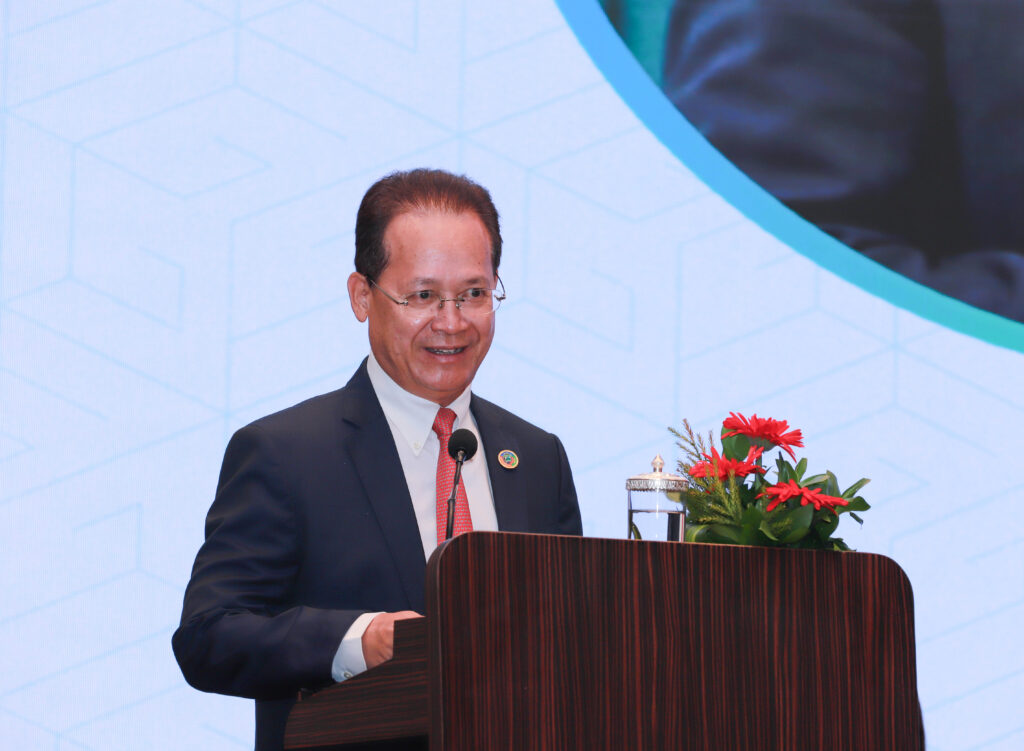
The minister noted that Cambodia’s NDC 3.0 climate plan provides a framework for mobilizing both domestic and international investment into renewable energy, sustainable infrastructure and climate adaptation projects.
As sustainable finance regulations continue to evolve, industry stakeholders said capacity building will be critical to ensure Cambodian banks can effectively implement emerging standards, attract international investors and support the country’s long-term environmental and economic development goals.
ABC and GGGI thanked the Ministry of Environment, the National Council for Sustainable Development and the Green Climate Fund for their continued support in advancing sustainable finance and climate resilience initiatives in Cambodia.