
Cambodia Investment Review
Cambodia has been ranked among the lowest-performing countries globally in the latest Corruption Perceptions Index by Transparency International, underscoring persistent governance challenges that continue to weigh on business confidence and long-term investment prospects.
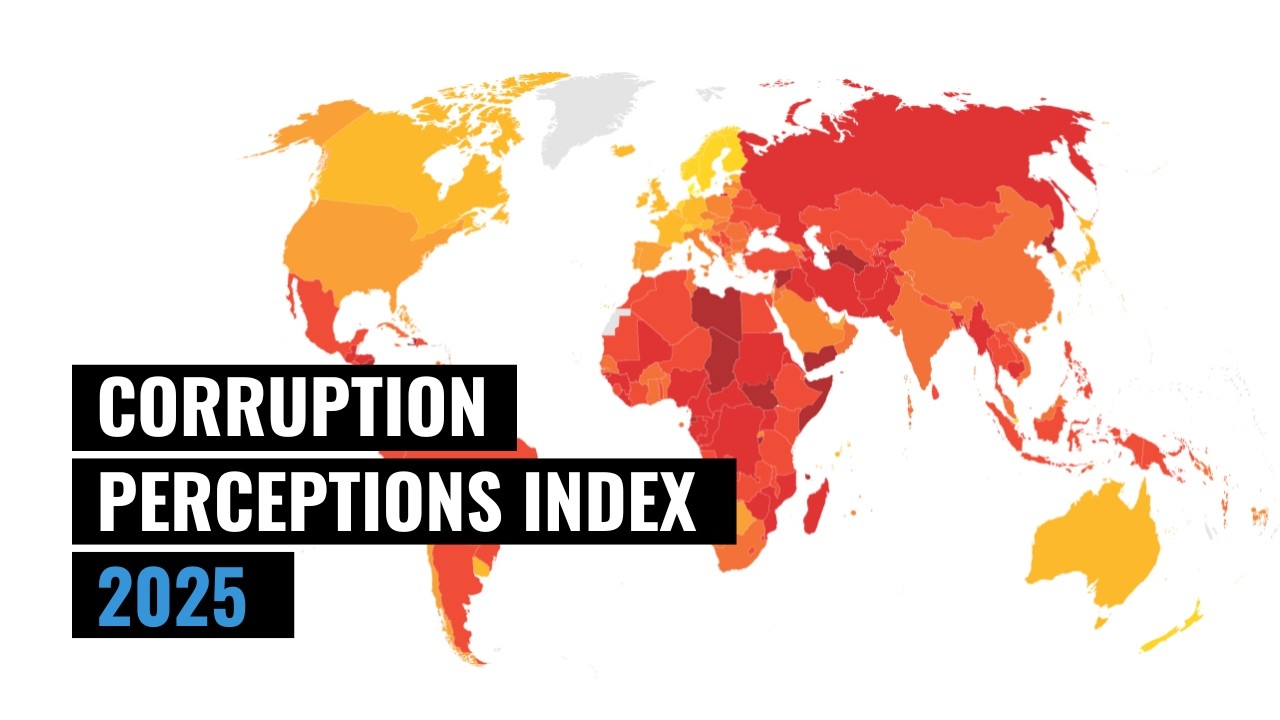
The Kingdom scored 20 out of 100, placing it near the bottom of the global rankings compiled by Transparency International. The index measures perceived levels of public sector corruption, with higher scores reflecting stronger governance, transparency, and institutional integrity.
Vietnam recorded a score of 41/100, ranking 81st out of 182 countries, improving by one point from the previous year. Thailand scored 33/100, ranking 116th, slipping by one point year-on-year. Singapore remained one of the world’s strongest performers, scoring 84/100 and ranking third globally, unchanged from 2024.
The wide gap between Cambodia and higher-ranked neighbours highlights structural issues that extend beyond perception and increasingly affect economic competitiveness. For investors comparing locations within Southeast Asia, governance indicators such as the CPI are often assessed alongside labour costs, infrastructure quality, and market access.
Governance risks and business competitiveness
Findings from enterprise-level assessments echo the CPI results. Surveys conducted by the World Bank, including its Enterprise Surveys and the 2024 B-Ready assessment, identify corruption and administrative inefficiencies as major obstacles facing businesses in Cambodia.
Firms operating in the Kingdom continue to report challenges related to tax administration, regulatory complexity, judicial inefficiency, and high transport costs. These factors contribute to higher compliance expenses and operational uncertainty, particularly for foreign investors operating under strict corporate governance and compliance requirements.
As Cambodia seeks to attract more diversified and higher-value investment, governance performance is becoming increasingly linked to economic credibility, access to international finance, and integration into regional supply chains.

Policy measures highlighted by the World Bank
The World Bank assessments point to several practical reforms that could help improve transparency and reduce corruption risks:
- Publish all permit and licensing requirements online, ensuring clear guidance and reducing discretionary interpretation.
- Make application processes trackable, allowing businesses to monitor the status of permits and approvals in real time.
- Streamline and digitise permits and licensing, including the creation of a single online portal for business registration and regulatory approvals.
- Reduce administrative duplication, lowering costs and approval timelines for firms.
- Introduce regular audits of tax administration, paired with public reporting to strengthen accountability and taxpayer confidence.
These measures are widely viewed as cost-effective reforms that can deliver tangible improvements without large fiscal outlays, while also signalling commitment to institutional reform.
Leadership change at Transparency International Cambodia
Amid heightened focus on governance standards, Transparency International Cambodia has appointed Sin Putheary as its new Executive Director. She assumes the role following her tenure as Executive Director of the Cooperation Committee for Cambodia, which represents more than 200 non-governmental organisations nationwide.
Read More: Sin Putheary Appointed Executive Director of Transparency International Cambodia
The leadership transition comes at a time when anti-corruption efforts are increasingly scrutinised by development partners, investors, and the private sector. Transparency International Cambodia plays a key role in monitoring governance trends, conducting research, and advocating for integrity across public and private institutions.
For Cambodia, improving its corruption score is not only a governance objective but an economic imperative. As global capital becomes more risk-sensitive, sustained progress on transparency and institutional reform is likely to play a growing role in shaping the Kingdom’s investment outlook.