
Cambodia Investment Review
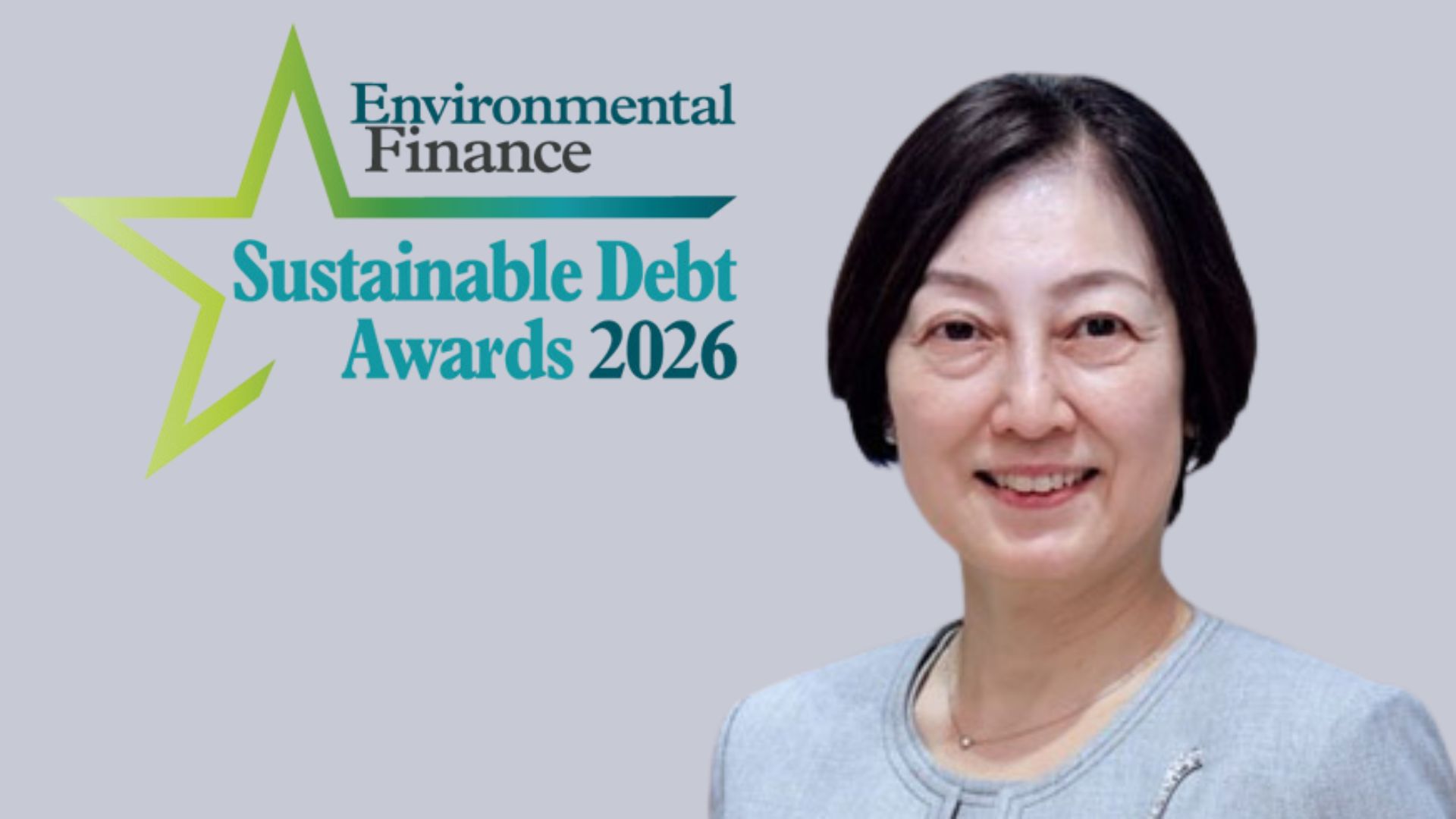
Cambodia’s emerging capital markets have received fresh international recognition after the country’s first-ever project bond — used to finance a utility-scale solar plant — was honored at the Environmental Finance Sustainable Debt Awards 2026, according to an in-depth interview published by Environmental Finance.
The transaction, known as the SchneiTec Dynamic Green Project Bond, was awarded in two categories: Green Bond Structure Innovation (Asia-Pacific) and Green Project Bond. The recognition highlights what market participants view as a landmark moment for Cambodia’s debt market, renewable energy financing ecosystem, and broader sustainable finance ambitions.
At the center of the deal was the Credit Guarantee and Investment Facility (CGIF), a trust fund of the Asian Development Bank established by ASEAN+3 economies. In the interview, CGIF Chief Executive Noriko Nasu outlined how the institution helped structure, guarantee and anchor the transaction in a frontier market still developing its long-term capital raising capabilities.
CGIF Says Sustainable Finance Role Is Expanding Across Asia
Asked to explain CGIF’s broader role in regional finance, Nasu said the institution was created to develop local currency and regional bond markets across ASEAN+3 economies, with paid-in capital of $1.16 billion.
Since launching guarantee operations in 2012, CGIF has focused on providing credit enhancements to bond issuers across the region, particularly in local currencies. According to Nasu, that role has become increasingly important in sustainable finance, with CGIF recently surpassing $1 billion in cumulative guarantees for thematic bonds such as green, social and sustainability-linked debt.
She said credit guarantees can help issuers in emerging and frontier economies access capital markets that might otherwise remain unavailable, especially for renewable energy and infrastructure projects that require long-dated financing often considered too risky by traditional lenders.
Cambodia’s First Project Bond Raised $49 Million for Solar Plant
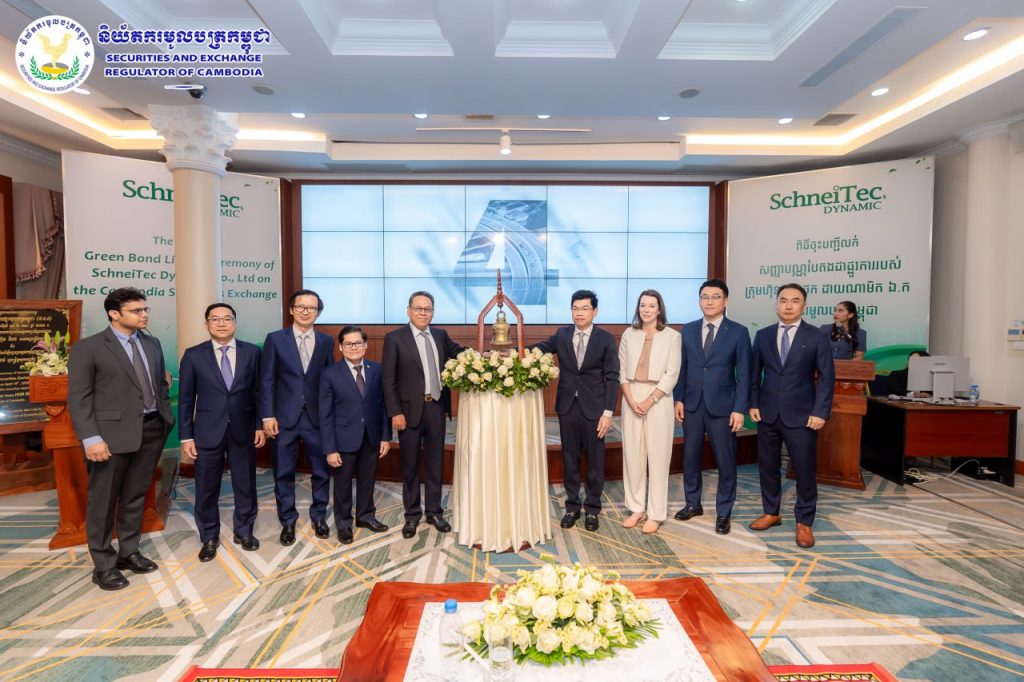
When asked about the award-winning Cambodian transaction specifically, Nasu said the bond was issued in March 2025 and listed on the Cambodia Securities Exchange.
The bond raised KHR196.64 billion, equivalent to around $49 million, to finance Cambodia’s first utility-scale solar photovoltaic plant with battery storage in Kampong Chhnang province.
The project has a generation capacity of 60MWac and operates under a 20-year power purchase agreement with state utility Électricité du Cambodge. According to Nasu, this long-term contracted revenue stream was critical in creating the predictable cash flows required for project bond financing.
She noted the transaction was significant not only because it financed renewable energy, but because it became Cambodia’s first-ever project bond and the country’s longest-tenor corporate bond to date, with a 15-year maturity.
CGIF Says Its Role Went Beyond a Guarantee
In response to questions about CGIF’s involvement, Nasu said the institution’s role extended well beyond issuing a guarantee.
She said CGIF acted as anchor creditor throughout the process, helping provide confidence to investors in a relatively young market with limited precedent for project-finance bond issuance.
Before launch, CGIF reportedly led technical, legal, environmental and social due diligence workstreams to align the transaction with international project-finance standards. It also worked with lead manager and underwriter Yuanta Securities (Cambodia) Plc. to design the bond’s multi-tranche structure and negotiate financing and security documentation.
Following issuance, Nasu said CGIF continues to hold voting and acceleration rights on guaranteed tranches, providing creditor protections in a market where coordination mechanisms are still developing.
Frontier Market Challenges Required Innovative Structure
Asked what challenges the transaction needed to overcome, Nasu identified several barriers.
First, Cambodia lacked a track record for 15-year project bonds, while creditor enforcement frameworks and investor familiarity with such products were still evolving.
Second, the bond needed to appeal to a wide range of investors with different risk tolerances — from conservative insurers and foreign banks seeking protection, to local banks willing to take greater direct project exposure.
To address this, the transaction was divided into three tranches.
CGIF guaranteed one KHR80 billion tranche carrying a floating coupon linked to 180-day SOFR, with a floor of 4% and a cap of 6%. A second guaranteed KHR60 billion tranche carried a coupon of 1.8% over SOFR.
A third unguaranteed tranche paid 180-day SOFR plus 3%, aimed at investors comfortable pricing direct project risk.
Nasu said one notable innovation was the capped-and-floored floating-rate note structure, developed partly because Cambodia does not yet have a mature interest-rate swap market commonly used in large infrastructure financings.
Domestic and Foreign Investors Split Participation Evenly
Asked how investors responded, Nasu said the bond successfully attracted a diversified investor base made up of Cambodian banks, foreign lenders and life insurers.
She said participation was roughly 50% domestic and 50% foreign, suggesting growing external confidence in Cambodian structured finance opportunities while also demonstrating local appetite for long-term investment assets.
The placement of the unguaranteed tranche was particularly important, she added, because it showed that some investors were prepared to accept direct Cambodia project risk when supported by a credible overall transaction framework.
CGIF Expects More Green Infrastructure Deals
Looking ahead, Nasu said the Cambodian solar bond had created a benchmark and a replicable template for future sustainable infrastructure finance in Cambodia and beyond.
She cited government support for renewable energy development and a pipeline of future projects likely to require long-tenor financing similar to the structure used in this deal.
She also said the transaction helped address a shortage of long-duration assets available to domestic institutional investors, which could unlock additional demand for future bond issuance.
Regional Expansion Remains Priority
Asked what comes next for CGIF, Nasu said the institution plans to continue expanding its guarantee capabilities across ASEAN+3, with a focus on climate-aligned capital markets in frontier and emerging economies.
That includes replicating the Cambodian project bond model in other ASEAN markets facing long-term infrastructure financing gaps, while also supporting policy frameworks, capacity building and market infrastructure for green, social and sustainability bond issuance.