

Cambodia Investment Review
A series of fatal road accidents involving garment workers has reignited concerns over transportation safety in one of Cambodia’s largest export industries, with labor advocates, safety experts, and workers calling for stronger regulation, improved infrastructure, and greater investment in safer commuting options.
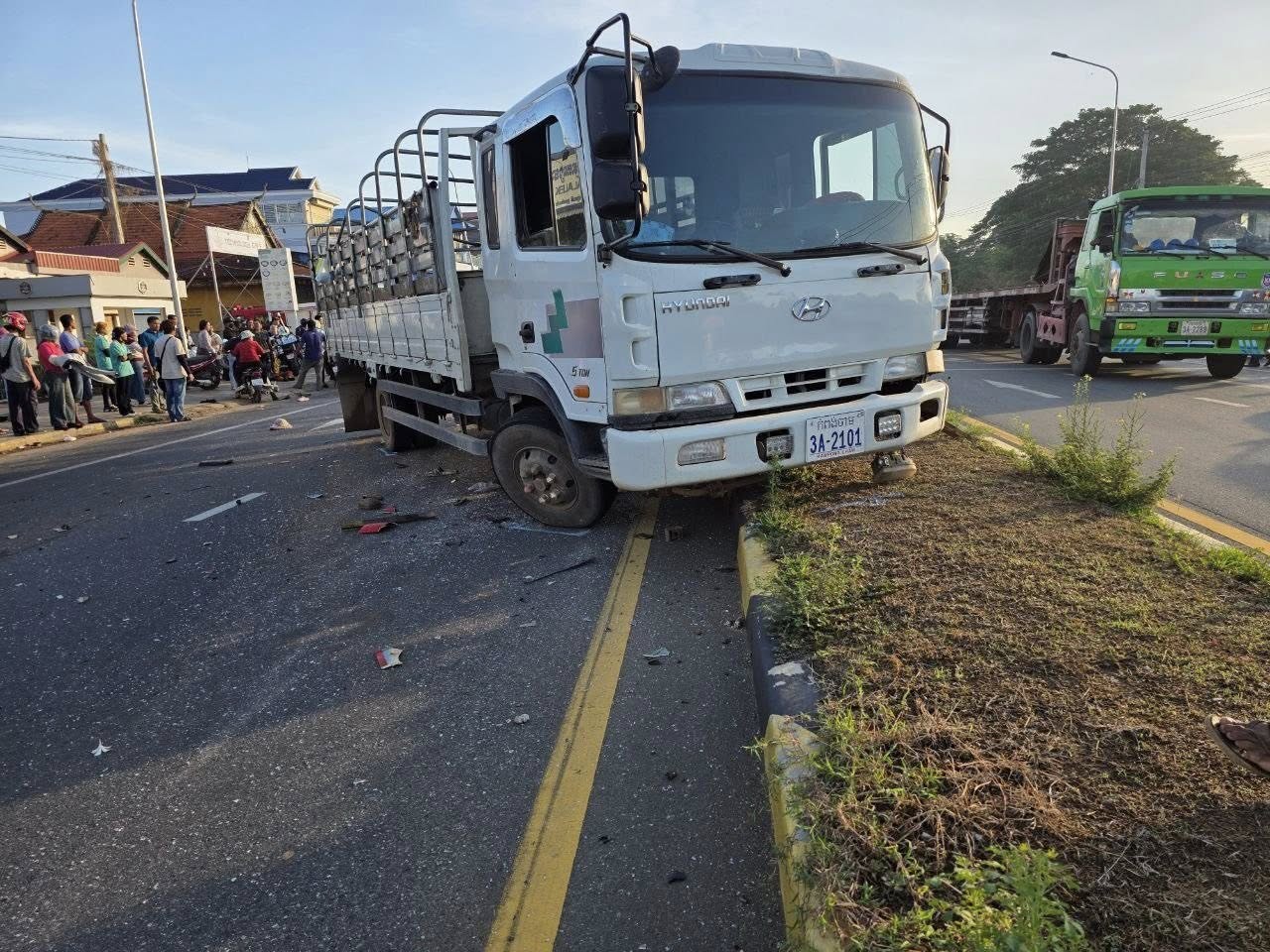
The issue has gained renewed urgency following two major accidents in Kampong Chhnang and Svay Rieng provinces that resulted in 14 deaths and 79 injuries. The incidents highlighted longstanding concerns surrounding the use of modified cargo trucks and overcrowded vehicles that continue to transport thousands of garment workers between their homes and factories each day.
For many workers, daily travel remains one of the most hazardous parts of their employment. Long commuting distances, overcrowded transport, rising transportation costs, and pressure to arrive on time have contributed to an environment where safety is often compromised.
Transport Safety Remains a Persistent Challenge
Cambodia’s garment industry employs hundreds of thousands of workers across the country, many of whom rely on shared transport services to reach factories located in industrial zones outside major urban centers.
Recent accidents have once again raised questions about the suitability of modified trucks for passenger transport and whether current regulations are being adequately enforced.
Road safety specialists point to several contributing factors, including speeding, driver fatigue, inadequate vehicle maintenance, distracted driving, and overloaded transport vehicles. Workers travelling by motorbike are considered particularly vulnerable, while passengers using shared transport services face additional risks due to overcrowding and limited safety standards.
Industry observers have also highlighted the lack of standardized transport requirements, noting that neighboring countries have implemented stricter controls on passenger capacity and vehicle specifications for worker transportation.
Economic Pressures Limit Safer Alternatives
Despite growing awareness of transport risks, many workers continue to rely on lower-cost transport options due to financial constraints.
While factories provide transportation and accommodation allowances, rising fuel costs and increasing living expenses have placed additional pressure on workers’ budgets. Shared transport remains the most affordable option for many families, even when safety concerns are well understood.
Labor advocates argue that economic realities often leave workers with little choice but to use overcrowded or substandard vehicles. They also note that transportation safety cannot be addressed through enforcement alone and requires coordination between government agencies, employers, transport operators, and international buyers.
Concerns have also been raised about driver schedules and factory working hours, with calls for greater consideration of commuting times and measures to reduce fatigue-related accidents.
Authorities Push for Stronger Standards
In response to the recent accidents, Cambodian authorities have outlined ongoing efforts to improve worker transportation safety.
The Ministry of Public Works and Transport has introduced technical standards governing vehicle modifications and is preparing regulations related to vehicle tracking systems aimed at reducing traffic accidents and improving oversight.
Meanwhile, the Ministry of Labour and Vocational Training has continued efforts to encourage transport operators to improve vehicle conditions, replace standing areas with proper seating arrangements, and gradually transition toward bus-based transportation systems.
Authorities are also working with transport operators and industry stakeholders to explore affordable fare structures that would enable workers to access safer transportation options without significantly increasing commuting costs.
As Cambodia seeks to maintain its competitiveness as a global manufacturing hub, the issue of worker transportation is increasingly being viewed as both a labor welfare and productivity challenge. Industry stakeholders warn that improving transport safety will require not only stronger regulations, but also sustained investment in safer vehicles, better enforcement, and greater collaboration between the public and private sectors.