

Cambodia Investment Review
Cambodia is facing mounting economic and social pressure following the return of more than 900,000 migrant workers from Thailand in 2025, with a new report highlighting significant gaps in financial protection, employment recovery, and social support systems.
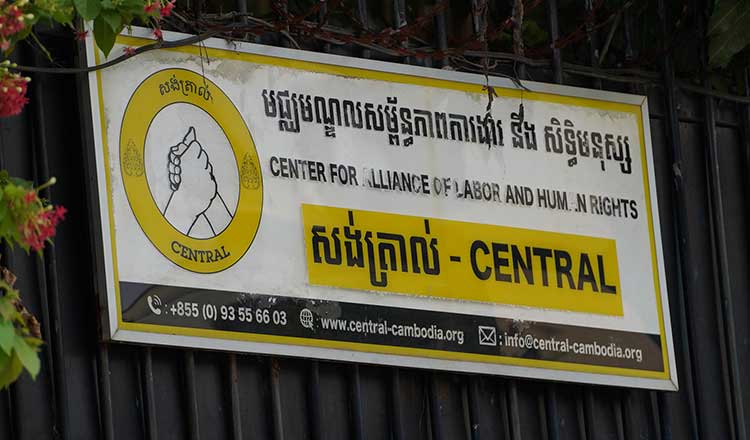
The findings, published by the Center for Alliance of Labor and Human Rights (CENTRAL), point to a large-scale, crisis-driven migration reversal that is now translating into rising household debt, reduced incomes, and increasing pressure on Cambodia’s domestic labour market.
Debt pressures and income gaps intensify
A central concern emerging from the report is the scale of financial distress among returnees. Around 71% of surveyed households reported being in debt, with average liabilities reaching approximately $5,500 per household. Across the sample, total reported debt exceeded $2 million, with 85% of indebted households unable to meet repayment obligations.
Read More: Opinion: Oil, War and the Border – Why Cambodia and Thailand Can’t Afford Escalation
This financial strain is compounded by weak income generation. Average monthly household income among returnees stands at roughly $64, significantly below average monthly expenses of $173, creating a persistent deficit that limits recovery prospects and increases reliance on borrowing.
The report also highlights that the return process itself added to financial burdens, with many workers self-financing their journey home and incurring unofficial fees at border crossings. For a portion of returnees, this resulted in new debt accumulation immediately upon return.
Limited support and rising remigration risks
Despite the scale of the crisis, support mechanisms remain limited. Only 30.5% of returnees reported receiving any form of assistance, with aid largely confined to short-term food and transportation support. Access to healthcare, vocational training, and livelihood programs remains minimal.
This lack of structured reintegration support is contributing to renewed migration pressures. More than half of respondents—53%—indicated plans to migrate again, a sharp increase from 13% recorded earlier in 2025.
The report also notes broader socio-economic impacts, including disruptions to education, reduced food security, and rising mental health challenges within affected communities. Women were identified as carrying a disproportionate burden in managing household finances and debt obligations.

Recommendations for financial institutions and policymakers
The findings point to a growing need for coordinated intervention, particularly from financial institutions, government agencies, and development partners. The report outlines several priority areas where targeted action could help stabilise affected households and reduce systemic risk.
Key recommendations include:
• Expanding time-bound social protection measures such as cash transfers, food assistance, and healthcare fee waivers to support vulnerable households
• Introducing debt relief mechanisms, including repayment moratoria and loan restructuring, to prevent defaults and asset loss
• Accelerating job creation through public-private partnerships, with an emphasis on safe working conditions and transparent wage systems
• Scaling vocational training and skills recognition programs to improve employability within the domestic market
• Strengthening formal migration channels to reduce reliance on informal or high-risk pathways when cross-border movement resumes
For Cambodia’s financial sector, the report signals both a risk and an opportunity. Rising household debt and repayment stress could translate into broader credit risks if left unaddressed, particularly in rural and border provinces. At the same time, structured financial products—such as rescheduling frameworks, targeted lending programs, and financial literacy initiatives—may play a key role in stabilising affected populations.
As Cambodia continues its post-pandemic recovery, the scale of this return migration underscores the importance of aligning labour, financial, and social policies. Without coordinated intervention, the report suggests that many households may face prolonged economic hardship, with implications for both financial stability and long-term workforce development.