
Cambodia Investment Review
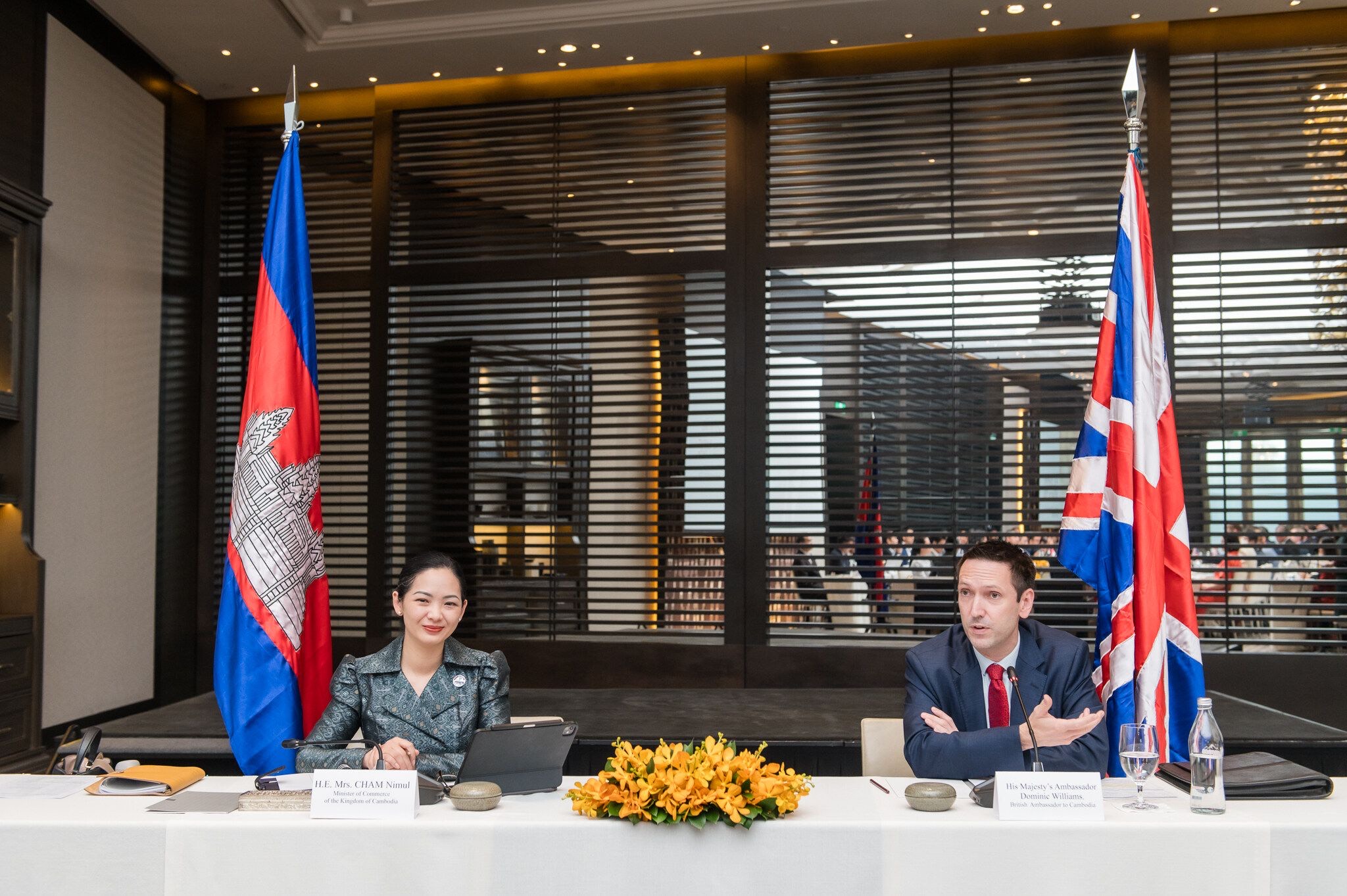
Trade between Cambodia and the United Kingdom surpassed US$1 billion in 2025, as both governments signalled renewed momentum to deepen investment ties and expand economic cooperation at the Third Cambodia–UK Joint Trade and Investment Forum (JTIF) held in Phnom Penh on January 29.
Co-hosted by the Ministry of Commerce and the British Embassy in Cambodia, the forum was convened under the theme “Progressive Partnerships in a Shifting Global Landscape: A Cambodia–UK Perspective.” It brought together senior officials, regulators, investors, and business leaders to assess progress since the previous JTIF in November 2024 and to outline priorities for translating policy dialogue into concrete trade and investment outcomes.
A strategic moment for Cambodia’s trade policy
The meeting comes at a pivotal point in Cambodia’s economic trajectory. The country is preparing for its graduation from Least Developed Country (LDC) status in 2029 and has announced its intention to apply for membership of the Comprehensive and Progressive Agreement for Trans-Pacific Partnership (CPTPP). Against this backdrop, both sides stressed the importance of predictable, rules-based trade as a foundation for investor confidence and long-term growth.
Officials highlighted that Cambodia’s evolving trade architecture will require careful planning to maintain competitiveness as preferential access changes. The JTIF was positioned as a key mechanism to support this transition by aligning policy reforms with private-sector needs and external market opportunities.

Turning frameworks into real trade and investment
The JTIF serves as the primary bilateral platform for structured economic dialogue between Cambodia and the UK, focusing on market access, regulatory cooperation, and public–private engagement. This year’s discussions emphasised the need to convert existing frameworks into measurable commercial activity.
A central focus was the United Kingdom’s Developing Countries Trading Scheme (DCTS), under which Cambodia currently enjoys duty-free and quota-free access to the UK market for most goods. These preferences will remain in place throughout Cambodia’s LDC transition period and until at least 2032, with the possibility of continued tariff-free access under the scheme’s “Enhanced” tier thereafter. Participants noted that increasing awareness and utilisation of these preferences—particularly among exporters and small and medium-sized enterprises—remains a priority.
H.E. Mrs. Cham Nimul, Minister of Commerce of the Kingdom of Cambodia, described the JTIF as a flagship platform for advancing bilateral trade and investment relations. She said the forum has enabled practical engagement between policymakers and the private sector to address shared challenges and opportunities, laying a foundation for more impactful commercial outcomes amid an evolving global landscape.

Sectoral progress and regional engagement
The forum also reviewed progress since the second JTIF, highlighting strengthened coordination through dedicated policy working groups. These groups cover export facilitation, taxation, customs cooperation, capital market development, skills and capacity building, and discussions around an investment-incentivised visa regime. Engagement between British and Cambodian businesses has expanded across sectors including financial services, manufacturing, agri-processing, technology, and legal and professional services.
Broader financial cooperation was also referenced. In November 2024, UK Export Finance and Cambodia’s Ministry of Economy and Finance signed a memorandum of understanding to expand financing options for infrastructure and sustainable development projects, reinforcing the investment dimension of the bilateral relationship.
From the UK perspective, Rhiannon Harries, Deputy Trade Commissioner for Asia Pacific (Southeast Asia), said the JTIF reflects Britain’s growing engagement with Southeast Asia, where it maintains a £57 billion annual trade relationship with ASEAN. She noted that the forum underscores the UK’s commitment as ASEAN’s newest Dialogue Partner to deepen economic ties and plan for sustainable growth.

H.E. Dominic Williams MBE, British Ambassador to Cambodia, said trade and investment remain central to the relationship, noting that both countries are export-oriented economies that support the international rules-based trading system. He highlighted the role of the JTIF in identifying practical steps to facilitate greater trade and investment.
As Cambodia moves closer to LDC graduation and explores accession to major regional trade frameworks, both sides indicated that the JTIF will remain a key platform shaping the future of Cambodia–UK trade and investment cooperation.