


Cambodia Investment Review
Cambodia’s economic outlook for 2026 could moderate toward 3% GDP growth under current conditions, according to economists speaking at the International Business Chamber Cambodia (IBC) luncheon titled “Five Economists Walk Into a Room. The discussion brought together leading economists from multilateral institutions, research bodies, and the private sector to examine Cambodia’s economic trajectory, with a particular focus on the emerging impact of a global oil shock driven by geopolitical tensions in the Middle East.
Panelists indicated that while earlier forecasts had pointed to growth above 5%, current trends suggest downside risks are increasing, with rising energy costs expected to weigh on inflation, business activity, and household consumption in the months ahead.
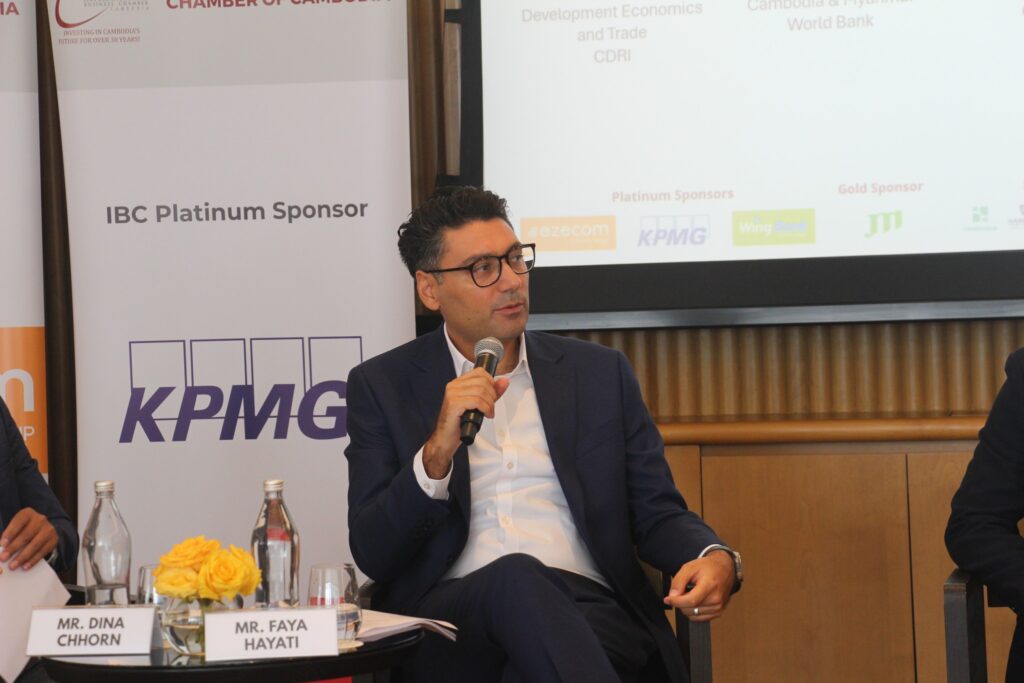
The session featured five economists representing a range of perspectives across institutions and sectors:
- H.E. Dr. Sereyvath Ky, Director General of the Institute of China Studies at the Royal Academy of Cambodia and Professor in Economics at CamEd Business School
- Milan Thomas, Country Economist at the Asian Development Bank in Cambodia
- Dina Chhorn, Centre Director of Development Economics and Trade at the Cambodia Development Resource Institute (CDRI)
- Faya Hayati, Senior Economist at the World Bank
- Stephen Higgins, Founder and Managing Partner of Mekong Strategic Capital
Rather than delivering formal presentations, the economists engaged in a moderated discussion examining the assumptions behind their forecasts, sector-level impacts, and areas of uncertainty, particularly in relation to global energy markets.

Panelists noted that the current oil shock is the region’s most significant given Asia’s heavy reliance on Middle Eastern oil supply and the uncertainty surrounding the duration of ongoing geopolitical tensions.
Oil shock feeds through to inflation and key sectors
The economists highlighted that Cambodia is already experiencing a sharp rise in fuel prices, particularly diesel and LPG gas, which are critical inputs across much of the economy. The increases are expected to continue feeding into broader inflation as businesses begin passing on higher costs to consumers.
The impact is being felt across multiple sectors. In hospitality, operators reported reduced deliveries of fresh produce, particularly seafood, alongside contingency planning to shift toward electric cooking solutions if LPG prices continue to rise or shortages emerge.
Logistics and manufacturing have also come under pressure, with freight costs rising and transport providers seeking fare increases to offset higher fuel expenses. Tuk-tuk drivers have already begun pushing for higher fares, while trucking companies are adjusting pricing in response to rising operational costs.
Tourism is also facing headwinds, with increased flight costs and disruptions through Middle Eastern transit hubs affecting travel demand. Siem Reap, which relies heavily on international tourism, is expected to be among the most impacted destinations. At the same time, economic uncertainty in key source markets is reducing outbound travel.

Agriculture is entering a critical period, with farmers facing rising fertilizer and machinery costs linked to petrochemical inputs ahead of the wet season planting cycle. These pressures are expected to weigh on both production costs and rural incomes.
The financial sector is also showing early signs of strain. Non-performing loan levels are already estimated at around 8%, with risks of further increases as households face rising living costs. Banks are also reporting higher levels of cash withdrawals and remittance activity, suggesting more cautious consumer behavior.
Policy response focused on targeted support
In response to the evolving situation, economists outlined several policy recommendations aimed at managing the immediate impact while maintaining fiscal sustainability.
Key recommendations discussed included:
- Temporary tax relief: Reduce VAT and excise duties on fuel to help ease short-term cost pressures, with clear time limits to manage fiscal impact
- Targeted cash transfers: Expand support to low-income households through existing mechanisms such as the Poor Households Programme to sustain domestic demand
- Increased public borrowing: Utilize Cambodia’s relatively low debt-to-GDP ratio of around 25% to finance targeted interventions
- Avoid broad fuel subsidies: Limit costly and distortionary subsidies that are difficult to unwind and may lead to inefficiencies
- Support sector adjustments: Provide targeted assistance for transportation costs and incentivize shifts toward electric alternatives
- Manage supply risks: Consider fuel rationing measures to prevent shortages and panic buying if supply constraints worsen

Economists emphasized that targeted, time-bound measures would be more effective than broad-based subsidies or large-scale infrastructure spending in the current environment, particularly given the need for immediate impact.
Balancing short-term relief with long-term resilience
A consistent theme across the discussion was the importance of balancing immediate support with longer-term fiscal and economic stability.
While Cambodia’s relatively low public debt provides room for increased borrowing, economists stressed that this space should be used strategically to support vulnerable households and maintain economic activity during the downturn.
Cash transfer programs were highlighted as a particularly effective tool, offering direct support to households while helping sustain consumption across the economy. Compared to infrastructure spending, such measures were seen as more targeted and faster to implement.

At the same time, panelists noted the importance of maintaining confidence in the financial system, particularly as rising costs and income pressures begin to affect loan repayment capacity.
With global conditions remaining uncertain, economists suggested that Cambodia’s response in the coming months will be critical in determining how effectively it can navigate the current shock. While risks are rising, the discussion highlighted that the country retains policy flexibility and institutional tools to manage the impact if responses are timely and targeted.