
Cambodia Investment Review
A prolonged conflict in the Middle East could significantly weaken economic growth across Asia and the Pacific while sharply increasing inflationary pressures, according to new research from the Asian Development Bank (ADB), as Cambodia grapples with sustained increases in fuel prices, including a near doubling of liquefied petroleum gas (LPG) since the conflict began.
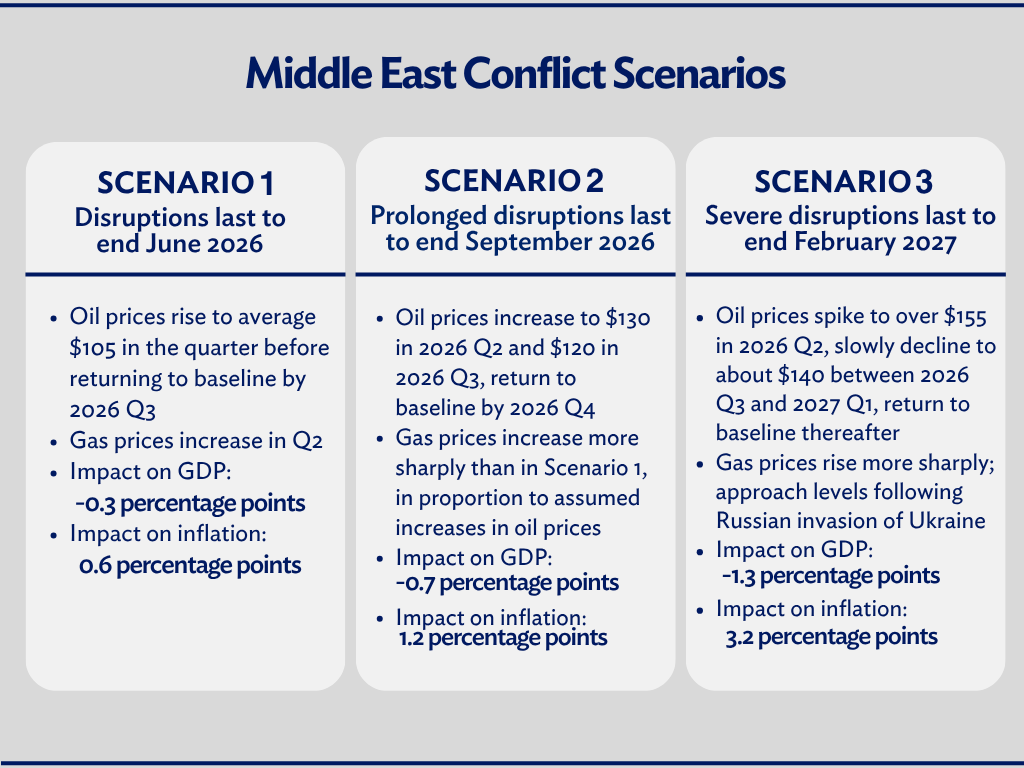
In its latest brief released on March 26, the ADB warned that extended disruptions to global energy markets could reduce economic growth in developing Asia and the Pacific by up to 1.3 percentage points over 2026–2027. Inflation, meanwhile, could rise by as much as 3.2 percentage points if disruptions persist beyond a year.
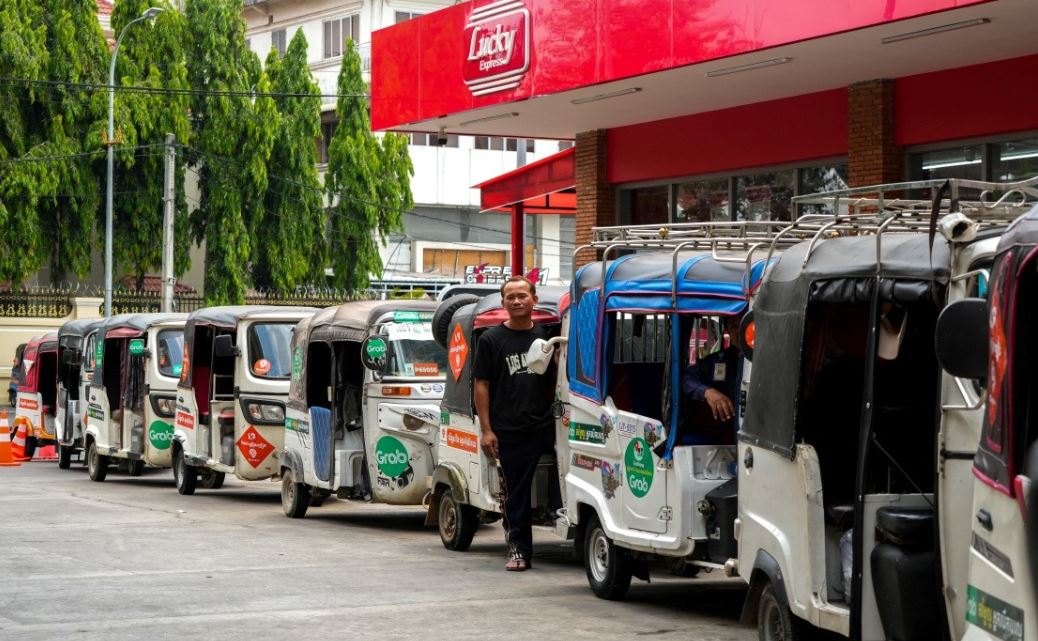
The warning comes at a time when Cambodia is already experiencing significant cost pressures linked to global energy volatility. According to the Ministry of Commerce, since the outbreak of the conflict, the prices of regular gasoline, diesel, and LPG in Cambodia have increased by approximately 30 per cent, 87 per cent, and 70 per cent respectively—highlighting a sharp escalation in fuel costs across the board, with LPG prices nearing a doubling from pre-conflict levels.
Rising energy costs intensifying pressure
The ADB identified higher energy prices as the most immediate and critical channel through which the conflict is impacting regional economies. Elevated fuel costs are feeding directly into transportation, logistics, and production expenses, with knock-on effects for consumer prices and overall inflation.
In Cambodia, where the economy relies heavily on imported petroleum products, these pressures are particularly acute. Businesses are facing rising operating costs, while households are increasingly exposed to higher prices for both fuel and essential goods.
Beyond energy, the ADB noted that the conflict is also disrupting global supply chains and trade flows, while tightening financial conditions are adding further strain. Tourism and remittance inflows—both important to several economies in the region—could also weaken under prolonged instability.
Cambodia’s vulnerability exposed
Cambodia’s near-total reliance on imported fuel has left it especially exposed to global shocks. With domestic oil reserves yet to be developed, the country remains highly sensitive to international price movements.
Recent pricing trends have been volatile. While gasoline prices have seen short-term adjustments, diesel and LPG prices have continued to climb, reinforcing concerns about sustained inflationary pressure. The sharp rise in LPG, in particular, is likely to have a direct impact on households and small businesses that depend on it for daily use.
The government has responded by reducing import duties and taxes on fuel products in an effort to ease the burden. However, the scale and persistence of global price increases suggest that these measures may offer only partial relief if disruptions continue.
Difficult policy trade-offs ahead
The ADB cautioned that policymakers across the region may face increasingly difficult trade-offs between maintaining economic growth and controlling inflation.
The bank recommended that governments focus on stabilizing markets rather than attempting to suppress price signals entirely. Allowing some degree of price pass-through can encourage energy efficiency and investment in alternative energy, while broad subsidies risk distorting markets and placing pressure on public finances.
Targeted fiscal support for vulnerable households and the most affected industries was highlighted as a priority, alongside careful monetary policy aimed at limiting market volatility without exacerbating economic slowdowns.
Governments are also encouraged to implement practical measures to reduce energy demand, including limiting non-essential electricity use, promoting public transport, and encouraging flexible work arrangements.
Outlook remains highly uncertain
The ADB emphasized that the outlook remains highly uncertain and dependent on the duration and intensity of the conflict. Under a short-lived scenario, pressures could ease relatively quickly. However, prolonged disruptions could result in deeper and more persistent economic challenges across the region.
For Cambodia, the current situation underscores a broader structural vulnerability tied to energy dependence. Without diversification of energy sources or increased domestic capacity, the country is likely to remain exposed to external shocks.
As global energy markets continue to react to geopolitical developments, the risks outlined by the ADB point to a more challenging period ahead for both Cambodia and the wider Asia-Pacific region, with rising costs, slowing growth, and heightened uncertainty converging at the same time.