
Cambodia Investment Review
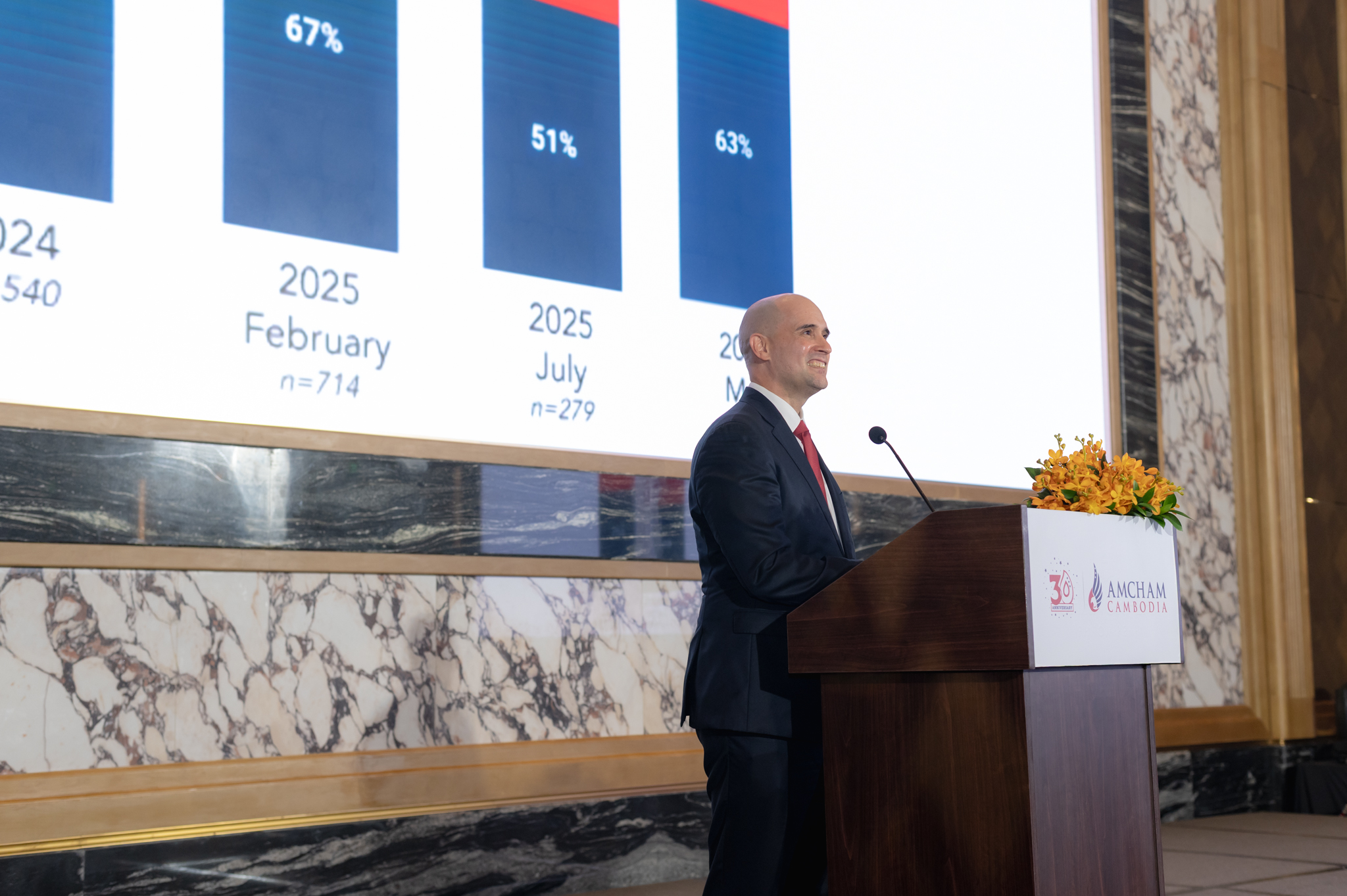
Cambodia’s private sector is entering 2026 with a generally positive outlook, as most businesses plan to expand investment and anticipate growth, according to the AmCham Business Outlook 2026 report. Based on a survey of 409 companies conducted in March 2026, the report highlights a resilient business environment, while also pointing to rising risks that could weigh on profitability and long-term growth.
Positive outlook driven by investment and trade
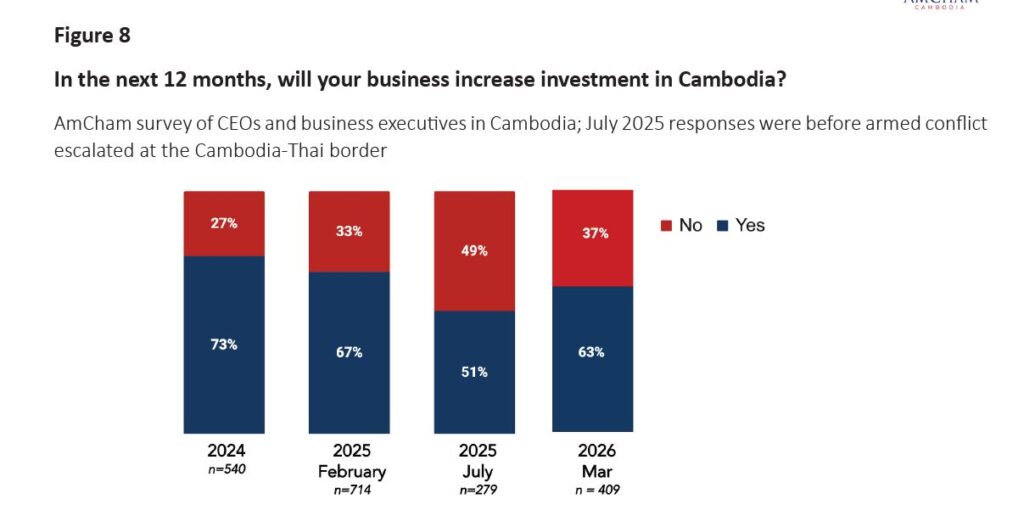
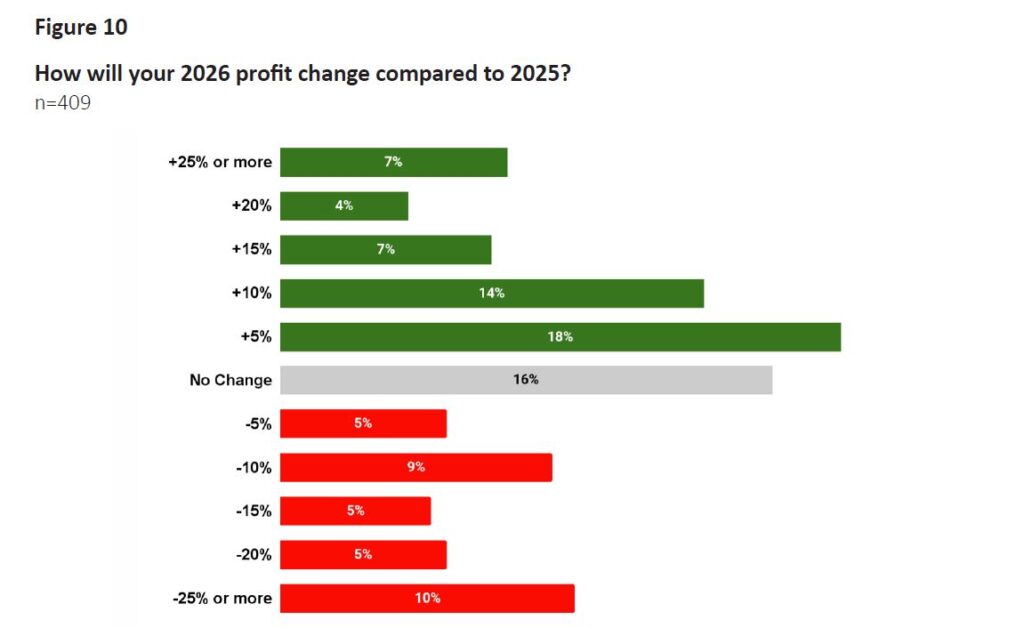
The report finds that 63% of surveyed companies expect to increase investment in Cambodia over the next 12 months, reflecting continued confidence in the country’s economic trajectory. At the same time, 50% of businesses anticipate profit growth in 2026, suggesting that many firms are positioning for expansion despite external uncertainty.
Read More: AmCham Cambodia Announces 2026 Board as Membership Hits 250 and Revenue Reaches $377,000
Trade performance, particularly with the United States, remains a key driver of this optimism. The U.S. accounted for 41% of Cambodia’s exports, reinforcing its role as the country’s most important export market. Exports to the U.S. increased by 28% in 2025, supported by policy developments and Cambodia’s integration into shifting global supply chains.
The report notes that a combination of competitive tariff arrangements, strong engagement with U.S. trade authorities, and the broader diversification of manufacturing away from China has contributed to this growth. Cambodia has seen increased exports in categories such as footwear, tires, toys, and steel goods, reflecting this structural shift.
At the same time, U.S. exports to Cambodia have also surged, rising by 96% between August and December 2025 compared to the same period in 2024. This increase follows Cambodia’s move to grant tariff-free access to U.S.-made goods, supporting imports of vehicles, agricultural products, and other key inputs.
Profit expectations weaken amid external pressures
Despite strong investment sentiment, the report highlights a notable deterioration in profit expectations. The share of businesses expecting profits to decline has increased from 20% in 2025 to 34% in 2026, indicating growing concern about operating conditions.
Several external factors are contributing to this shift. Rising global tensions, including conflict in the Middle East, have led to higher fuel prices, increasing transportation costs and placing pressure on supply chains. Cambodia’s fuel pricing mechanism, which is frequently adjusted based on regional benchmarks, has also introduced additional volatility for businesses.
Tourism remains another area of concern. The sector continues to recover slowly, with Angkor Wat ticket sales still significantly below pre-pandemic levels. The report attributes this to a combination of higher airfares, regional instability, and reputational challenges linked to online scamming operations. Businesses estimate that it could take several years for tourism to fully recover.
Improvements in tax administration
The AmCham report highlights progress in tax administration as a positive development for the business environment. Companies report faster audit processes, clearer procedures, and improved communication with authorities.
The introduction of more standardized operating procedures and regular engagement through public-private dialogue mechanisms has helped streamline tax compliance and reduce disputes. While the proportion of firms subject to audits has only slightly declined, the overall experience has become more predictable and efficient.
Structural challenges continue to constrain growth
Despite these improvements, the report identifies several structural challenges that continue to affect business operations in Cambodia. Licensing requirements remain a key concern, particularly for imports and sectors such as agriculture and ICT, where complex procedures can delay investment and limit productivity.
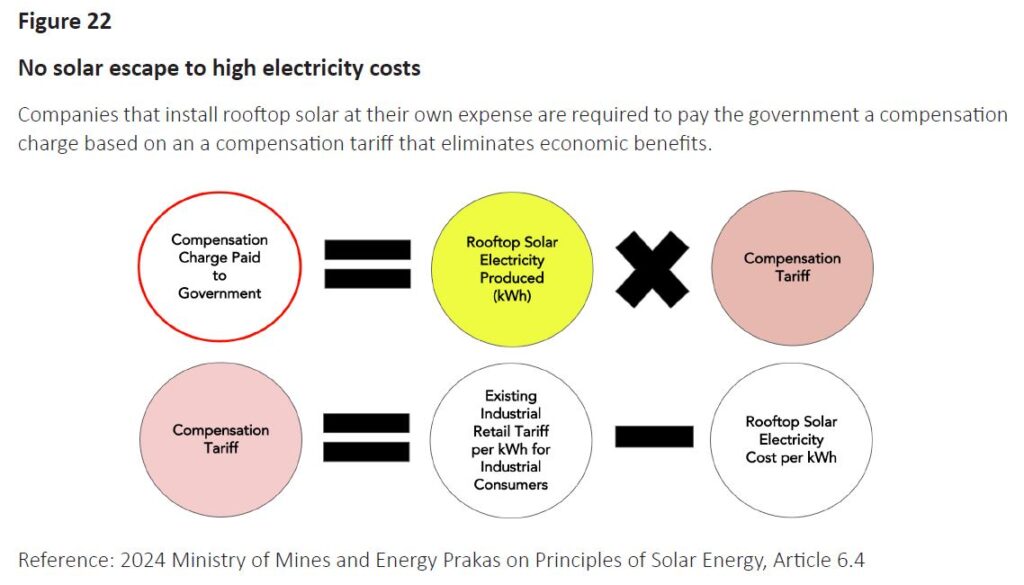
High electricity costs are also cited as a major issue, alongside regulatory constraints in emerging sectors. In areas such as data infrastructure and solar energy, licensing durations are often shorter than the lifespan of investments, creating uncertainty for investors and limiting long-term planning.
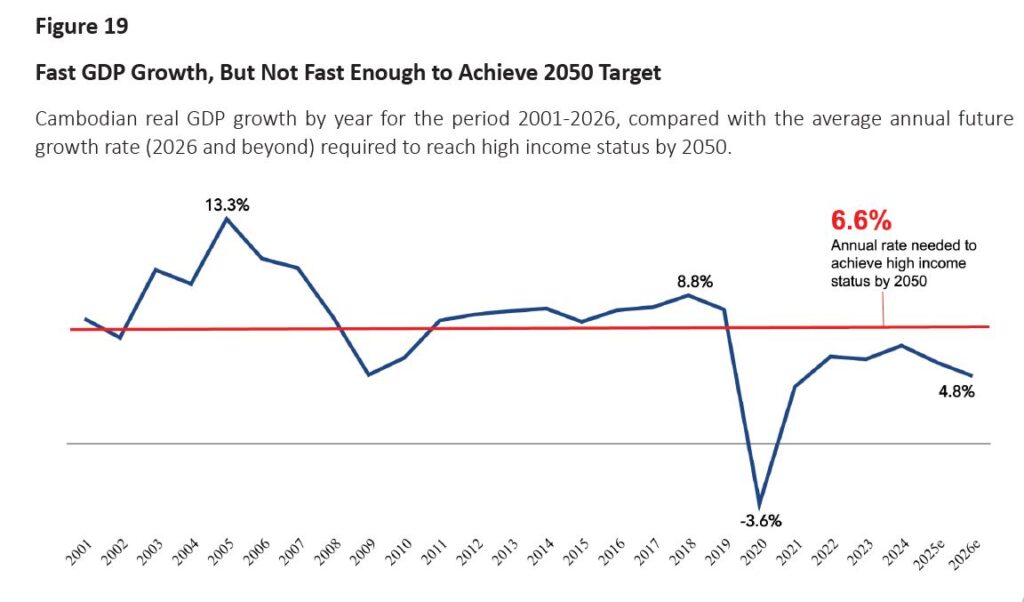
At a broader level, the report notes that Cambodia’s current economic growth may not be sufficient to meet its long-term development targets. Achieving high-income status by 2050 will require sustained higher growth, alongside reforms to improve efficiency and competitiveness.
Policy focus on liberalization and trade
To address these challenges, the report recommends further economic liberalization, including reducing licensing requirements and improving access to technology and inputs. Strengthening trade ties, particularly with the United States, is also seen as a key priority.
Overall, the AmCham Business Outlook 2026 presents a balanced picture of Cambodia’s business environment—one defined by continued expansion and resilience, but increasingly shaped by external pressures and structural constraints that could influence the pace of growth in the years ahead.