
EuroCham Cambodia
Following Isaford Immigration’s recent European Residency 2026 Update, held in partnership with EuroCham Cambodia, we sat down with CEO and Founder Mr. Neil Wilford to discuss the growing demand for European residency programs, the key insights shared during the event, and the evolving landscape of global investment migration.
In this interview, Neil reflects on his journey to establishing Isaford Immigration, explores the opportunities and misconceptions surrounding European residency, and shares why long-term wealth planning, family mobility, and regulatory compliance are becoming increasingly important considerations for internationally minded families.
Cambodian families obtain permanent residency, and ultimately citizenship
Could you begin by telling us a little about yourself and the story behind Isaford Immigration? What inspired you to establish the company?
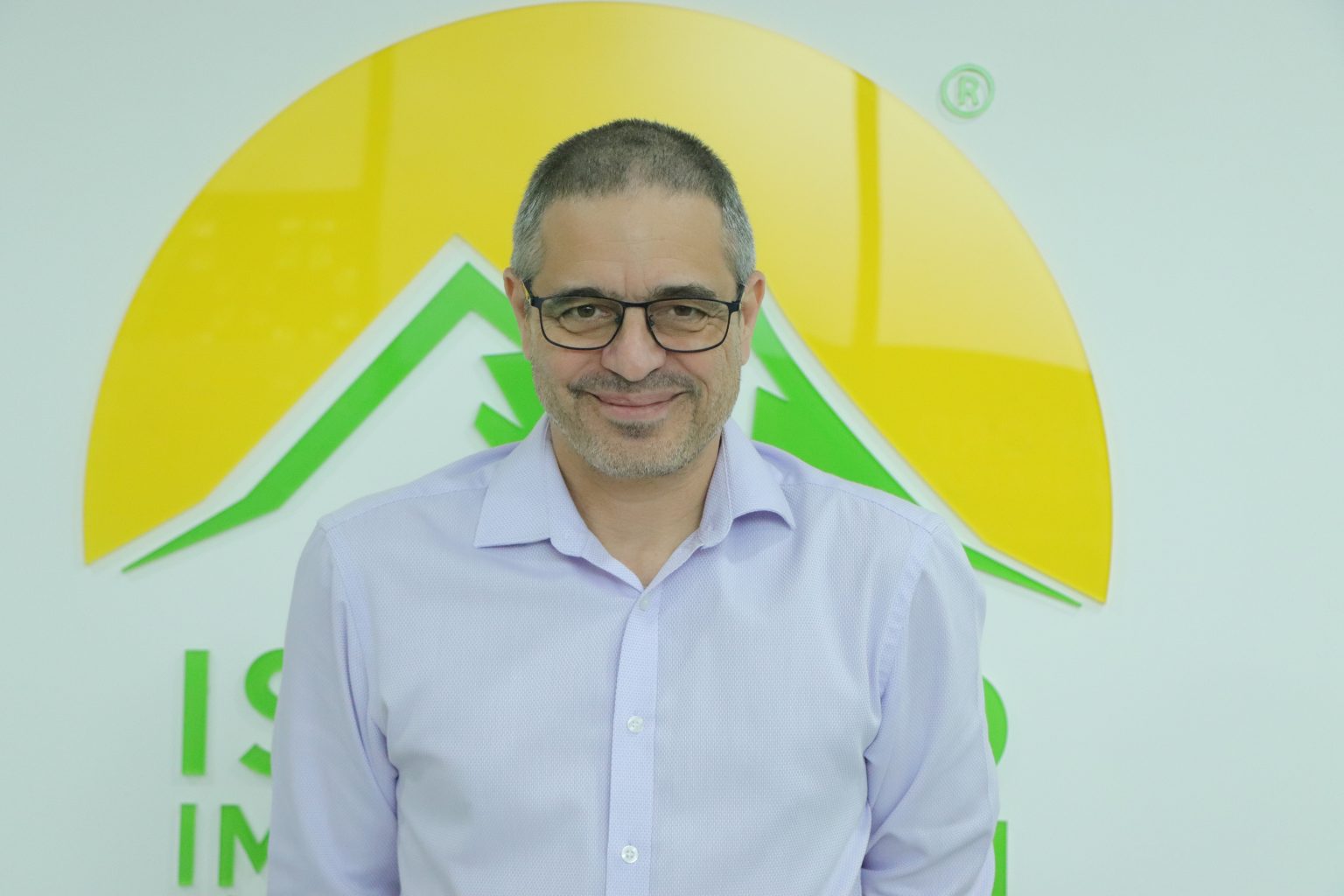
Neil: My name is Neil Wilford, and I’m the CEO and Founder of Isaford Immigration, a fully registered Cambodian company that we established in 2018.
I’m originally from the UK, but I’ve lived in Cambodia since 2000, so I’ve now spent nearly half my life here. My first role in Cambodia was with the European Union, where I worked for around five years before taking on senior roles in companies for many years.
The idea for starting Isaford Immigration had been developing for several years. Before launching the business, I spent around six years doing market research inspired in part by a close friend who operated a similar company in China.
As a British passport holder, I’m very fortunate to enjoy visa-free or visa-on-arrival access to around 185 countries. That experience is very different for Cambodian passport holders. Through both my work and my own family’s experiences, I saw how challenging and time-consuming it can be for Cambodians to obtain visas for destinations such as Australia, Europe, or the United States, where rejection rates can be high.
That inspired us to establish Isaford Immigration to help Cambodian families obtain permanent residency, and ultimately citizenship, in other countries. While greater global mobility is one benefit, our work is ultimately about creating greater economic, career, and lifestyle opportunities for families and future generations.
In many ways, our role goes beyond just immigration applications. We take a lot of time to understand each client’s family circumstances, priorities, and long-term goals, because every application is unique. Confidentiality and data protection is hugely important as we are provided clients’ most personal family documents and financial information. Ultimately, our job is to make the process as straightforward and stress-free as possible, allowing our clients to focus on their current and future lives while we guide them through every stage of their immigration journey.
Isaford recently hosted the European Residency 2026 Update in partnership with EuroCham Cambodia. For those who were unable to attend, what were some of the most important updates or key messages you hoped participants would take away from the event?
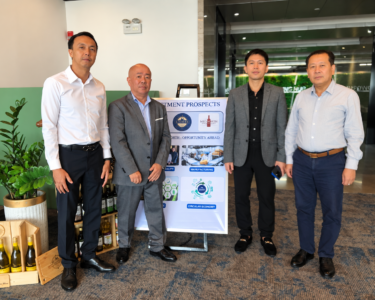
Neil: We were very fortunate to welcome several industry experts we’ve worked with for many years, who travelled to Cambodia to share their expertise. We were also privileged to have representatives from EuroCham Cambodia, BritCham Cambodia, and the Italian Chamber of Commerce in Cambodia join us, bringing invaluable perspectives to the discussions.
The event focused on five key destinations: Cyprus, Italy, Malta, Portugal, and the United Kingdom. We deliberately positioned it as a European residency event rather than solely an EU-focused one, as the UK remains an important European destination despite no longer being part of the European Union.
Beyond outlining the individual residency programs, we wanted attendees to leave with a broader understanding of what these opportunities represent. Many people view European residency simply as a pathway to visa-free travel within the Schengen Area. While greater mobility is certainly an important benefit, we wanted to highlight that these programs can also form part of a much broader long-term investment and wealth planning strategy.
We also explored the growing importance of wealth migration and intergenerational opportunity planning. Increasingly, we’re seeing clients who aren’t necessarily looking to relocate themselves, but who want to protect part of their wealth in jurisdictions that offer stronger legal protections, geopolitical stability, and favourable tax and investment environments. As global & regional uncertainty continues to grow, many families are thinking beyond mobility and focusing on safeguarding their assets and creating long-term opportunities for the next generation.
Another key message was the increasing importance of compliance, particularly Know Your Client (KYC) requirements and source-of-funds verification. Governments are placing greater emphasis on transparency, making it essential for applicants to clearly document the origin of their investment funds. For many clients, this can be one of the more challenging aspects of the process, which is why we work closely with legal specialists and forensic accountants to ensure every application meets the required standards.
Finally, we highlighted several important policy developments across European immigration programs.
Right choice depends entirely on an applicant’s priorities
Interest in European residency programs continues to grow among investors, entrepreneurs, and internationally minded families. From your experience, what are some of the biggest misconceptions people have about obtaining European residency, and what should prospective applicants understand before beginning the process?
Neil: One of the biggest misconceptions is that people often confuse golden visas and residency with permanent residency and citizenship. While the terminology can seem similar, each status offers different rights and obligations. A golden visa typically provides temporary residency and may require periodic renewal or minimum physical presence. Permanent residency, which can be usually applied after 5 years, offers greater long-term security without annual residency requirements, while citizenship provides the broadest benefits, including a passport with significantly greater global mobility. Most importantly, citizenship usually requires demonstrating a clear commitment and relationship to the country, including being able to speak the language.
Understanding these differences is essential when selecting the program that best aligns with your family’s long-term goals.
Ultimately, there is no single “best” residency program. The right choice depends entirely on an applicant’s priorities, whether that’s global mobility, education opportunities for children, investment diversification, retirement planning, or long-term wealth preservation.
Perhaps the most important advice I would give prospective applicants is to begin by clearly defining what they hope to achieve. Once you understand your objectives, we can help identify the program that best fits your needs.
During the event, you explored topics ranging from investment requirements and property ownership to education, healthcare, and long-term residency pathways. Which of these areas generated the most interest from attendees, and were there any questions or discussions that particularly stood out to you?
Neil: One area that generated a great deal of interest was wealth migration and the competitiveness of different European destinations. Many attendees were surprised to learn that countries such as Cyprus, Portugal, and Italy consistently rank among the world’s leading destinations for wealth migration, thanks to their strong legal systems, political stability, favourable tax and investment environments, pathways to residency and high quality of life.
Education and healthcare also attracted significant attention. Cyprus, for example, offers excellent English-language universities, while Italy is home to internationally recognised higher education institutions and regularly promotes scholarship opportunities for international students. English is a national language in Malta so schools follow the British curriculum in English.
Of course, the two questions we hear most often are: “How much does it cost?” and “How long does the process take?”. We always encourage people to look beyond the initial investment and consider the long-term value and benefits each program provides while always providing clear answers to those questions for each program.
Another topic that prompted extensive discussion was what residency allows someone to do. Many attendees assumed that obtaining residency in one European country automatically grants the right to live and work anywhere in Europe, but that’s not the case since there is a 90-day stay limit in other EU countries. However, having residency in one European country can make it easier to apply for residency in another, and we can help advise and process such requests.
We also discussed the different types of investment options available. Some programs, such as those in Portugal and Italy are based on investment funds or businesses with a specific timeframe to a return on the investment. Others, including Cyprus, Malta, and Greece, require applicants to purchase and retain property in order to maintain their residency. For the UK, the pathways are almost universally focused on investing in and operating businesses with the objective of driving long-term success.
The market continues to evolve
Looking ahead, how do you see European residency programs evolving over the coming years, and what advice would you give to individuals or businesses who are considering exploring these opportunities for the first time?
Neil: Once you’ve completed your due diligence and are confident in your decision, our advice is generally to apply sooner rather than later. Historically, investment migration programs don’t become less expensive or less straightforward; if anything, eligibility requirements become more rigorous over time.
We’ve already seen this across Europe. Portugal has extended its citizenship timeline, Malta has restructured its investment migration framework and path to citizenship, and the UK has introduced stricter language and eligibility requirements. Governments are also placing greater emphasis on compliance, and source-of-funds verification.
At the same time, the market continues to evolve. As some programs become more restrictive or close altogether, new opportunities are emerging. Hungary, for example, has introduced a new residency program, and I expect we’ll continue to see countries refine their offerings while placing greater emphasis on business investment and investment funds. Significantly, there are no citizenship by investment programs left in Europe and only residency by investment programs remain.
For anyone exploring these opportunities for the first time, it’s important to think beyond simply obtaining residency. These programs should be viewed as part of a broader long-term strategy that includes investment planning, wealth diversification, and future opportunities for your family.
The most important consideration when embarking on an immigration journey is to ensure you work with legally-registered, trustworthy companies which have a good track record and provide clear, expert advice. Applicants should work with a local company in their home country as well as companies and legal firms they partner with in the destination country who support them from the first interaction until they have achieved their immigration outcome.
As for Isaford Immigration, we’re excited about what’s ahead. We’ll be hosting another major European residency event later this year, featuring additional destinations and new program updates as well as ongoing events on other global destinations. We’re also looking to expand our presence beyond Cambodia while continuing to maintain Cambodia as our headquarters.
We’re incredibly proud to be members of EuroCham Cambodia and several other business chambers. For us, chamber membership is a two-way partnership. It’s not just about the support we receive, but also about finding meaningful ways to contribute to the wider business community. We’d like to thank EuroCham Cambodia for its continued support of our event, and we look forward to building on that collaboration in the future.