
David Van
The continuing blockade along the Cambodia-Thai border has also been seen not simply as a transportation issue or a diplomatic row but more as a business continuity issue‚ said the ADMI report․
Japanese companies may potentially be most affected because many have long implemented a “Thailand Plus One” strategy under which Thailand becomes their main base for production with neighboring countries such as Cambodia providing additional manufacturing capacity‚ labor‚ and space for expanding production in the future․
For a time, this arrangement worked well‚ as parts flowed across the border‚ assembly and production schedules became reasonably predictable‚ and the best attributes of each country could be exploited․
Read More: Opinion – Japan-Cambodia FDI Trends in 2026
That formula has changed since then․ Although few Japanese firms may withdraw entirely from the Cambodian market‚ new investment‚ new product lines and new production facilities may be increasingly relocated elsewhere‚ most notably in Vietnam․ That is where the danger really lies․
The challenge for Cambodia therefore‚ is not only to retain existing investors‚ but to ensure that when making their next rounds of investment decisions‚ Cambodia is firmly on their decision list․ At the same time‚ the situation presents Cambodia with a long-term structural challenge of its over-reliance on production and logistics networks based mainly in Thailand․ With proper management‚ it may become a pivotal moment in the industrial development of Cambodia․
Looking Beyond the Border Closure
Debates of the border often focus on if‚ or when‚ crossings may reopen․ While that is important‚ investors are increasingly asking a different question: “What if disruptions continue longer than expected?”
For manufacturers‚ this uncertainty outweighs the effect of increases in the cost of production․ Production managers can adapt to higher transportation costs․ But what is much harder to manage is unpredictability․ Late arriving‚ uncertain delivery schedules for components produce unreliable supply chains‚ and companies look for ways to lower the risk of future disruptions․ Many multinational manufacturers around the world have been doing just that since the onset of the COVID-19 pandemic‚ when they found out supply-chain resilience is just as important as cost competitiveness․ From that experience‚ the hope is that companies will be more mindful about their future reliance on a single logistics corridor due to the border situations․
Why Vietnam Is Receiving Greater Attention
Vietnam is seen as attractive not because of labor costs‚ but due to a more developed industrial base․
Japanese companies have existing supplier networks in the region․ Manufacturing ecosystems are larger in Vietnam and have better access to seaports and global supply chains․ Some companies that may have been considering expanding into Cambodia are taking a second look at expanding into Vietnam instead․ This does not mean Cambodia is losing its appeal․ Far from it․
However‚ Cambodia’s labor costs‚ investment environment‚ stable polity and demography remain attractive to businesses․ The discussion around investment is changing․ Investors no longer just want to know where production costs are lowest․ They are asking increasingly where risks can most effectively be managed․
What Should Cambodia Focus On
Responses should be calm‚ not reflexive or reactive․ Instead‚ the country would be better off using the period to build industrial competitiveness․
The target should not be complicated: We are trying to make Cambodia attractive not because it is close to Thailand‚ but because it has its own strong manufacturing base․
1․ Reduce Reliance on a Single Logistics Corridor
Priority: Immediate
The story shows how Cambodia needs more options‚ not fewer‚ however․ They had years-long access to Thailand’s logistics and industrial ecosystem as a competitive benefit․ However‚ complete reliance on any one route creates a weakness․ Cambodia needs to continue to improve the Sihanoukville Autonomous Port and expand its direct shipping links with the region and beyond․ The aim should be to give confidence to investors that goods can be moved without disruption regardless of what happens at any border․ In the longer term‚ Cambodia should not just be viewed as a logistics extension of another country’s logistics network‚ but a logistics hub in its own right․
2․ Reassure existing Japanese investors
Priority: Immediate
Today‚ many Japanese companies in Cambodia have dedicated a meaningful amount of time and resources․ They built a trained workforce‚ supplier networks‚ and long-term plans across the country․
How governments react in times of crisis is very closely monitored․ This is therefore an opportune time for Cambodia to strengthen investor support services‚ address operational constraints and maintain regular communications with affected companies․ Even large incentives may not achieve the desired effect․ Sometimes it is about being responsive and accessible and willing to solve problems quickly․ These qualities are very important to Japanese investors․
3․ Build a Stronger Domestic Supplier Base
Priority: High
The current disruption highlights a further issue․ Many of Cambodia’s manufacturers rely heavily on imported intermediate goods and component parts․ The more elements can be produced locally‚ the less production is affected by supply disruptions․ Cambodia should place greater emphasis on attracting supporting industries‚ such as automotive parts‚ electronics‚ plastics‚ metal processing and industrial equipment․ Its long-term goal should not be to attract assembly․ It should be building industrial ecosystems․ Countries that have been successful in manufacturing tend to have networks of suppliers around some anchor investors․
4․ Strengthen Economic Connectivity with Vietnam․
Priority: Medium to High
Vietnam should not be simply viewed as a potential investment competitor․ In many respects it can also be an ally․ Greater connectivity between Cambodian industrial centers and ports in Vietnam has the potential to provide alternatives to a single corridor and relieve bottlenecks․ Closer cooperation between the two countries in the areas of logistics‚ customs and supplier development․ For investors‚ the most important factor is choice․ The perception of risk diminishes as options expand․
5․ From Investor Promotion to Investor Retention and Expansion
Priority: Critical
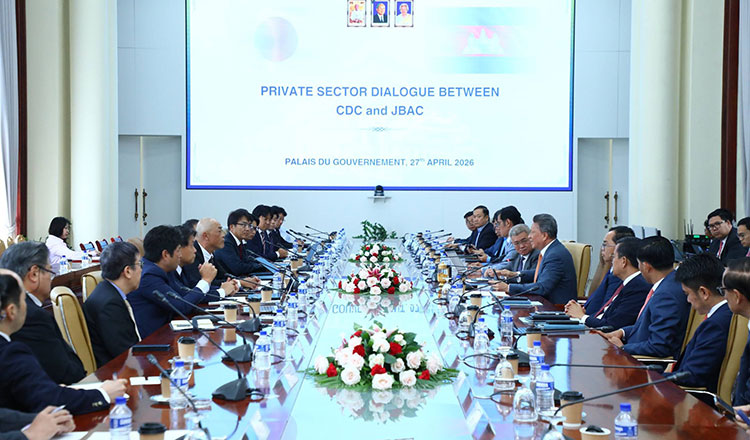
Cambodia has developed dialogue mechanisms with the CDC‚ the Japan External Trade Organization (JETRO)‚ and the Japanese Business Association in Cambodia․ It’s not the lack of dialogue that matters․ The challenge is to keep up with reality in dialogue․ Investment discussions usually focus on attracting new investors․
The more pressing question at the moment is: “Are existing investors still planning to expand in Cambodia?” This is where most attention is needed․ CDC should work closely with large Japanese business groups to know their plans to expand and identify any potential problems early․ It’s not hard to find a factory․ One expansion project that was cancelled is more difficult․ However‚ the economic impact can also be important․ Over the next few years the most important investment may be deciding whether companies stay․ It may well become the site of their next production․ For this reason‚ existing dialogue mechanisms should increasingly focus on expansion intentions‚ future investment plans and early identification of risks․ The emphasis is on investor relationship rather than investor consultation․
6․ Invest More Aggressively in Skills Development
Priority: High
Historically‚ low labor costs have drawn investment into the Cambodian economy․ Future competitiveness will increasingly depend on skills․ Japanese producers are moving to more advanced automated production processes‚ quality control systems and a higher standard of manufacturing technology․ Building the appropriate pipeline of technicians‚ engineers‚ supervisors and other specialized industrial workers to meet the demand․ This has been an area of success for Cambodia‚ but faster progress is required․
- A country with skilled workers can attract high value investment․
- A country with only cheap labor will reach its limits․
Strategic Action Matrix
Strategic Area Immediate Priority Longer-Term Objectives:
Logistics Strengthen alternative transport routes
Build Cambodia as an independent logistics hub
Investor Support Reassure existing Japanese investors Increase reinvestment and expansion commitments
Supporting Industries Attract key suppliers Develop complete industrial ecosystems
Cambodia-Vietnam
Connectivity Enhance logistics cooperation
Develop diversified regional supply chains
Investor Retention Monitor expansion intentions Secure future investment waves
Skills Development Address immediate workforce gaps Support higher-value manufacturing
Final Reflection
It would be easy to look at the present border situation as merely a setback․ That would be a mistake․
In reality‚ it has exposed weaknesses that were always waiting to be found․ For many years Cambodia benefited from its integration with the industrial cluster of Thailand․ There is nothing wrong with that․
Yet‚ in any industrial economy‚ in time the moment must come when a more solid foundation must be laid․ The present situation may even be accelerating that․ The nations which emerge strongest from periods of disruption are not those who wait for things to return to normal․ These are the countries that take disruption and use it to build their competitiveness․
For Cambodia‚ the solution should not just be to preserve the Thailand Plus One model․ Therefore‚ the next thing we need to do is to make sure that Cambodia itself is the preferred destination for investors․ If that is achieved‚ the current difficulties may not be remembered as a crisis but rather as a time when Cambodia stepped up to the next level of industrial development․
David VAN
1-6-2026
David Van is a veteran Cambodian business strategist and public policy advisor with over 45 years of multinational corporate, trade, and investment experience across Southeast Asia. A pioneer in Public–Private Partnerships (PPP) and blended finance, he has helped shape Cambodia’s trade, transport, skills, and industrial development policies while advising governments, multilateral agencies, and global corporations.