
Cambodia Investment Review
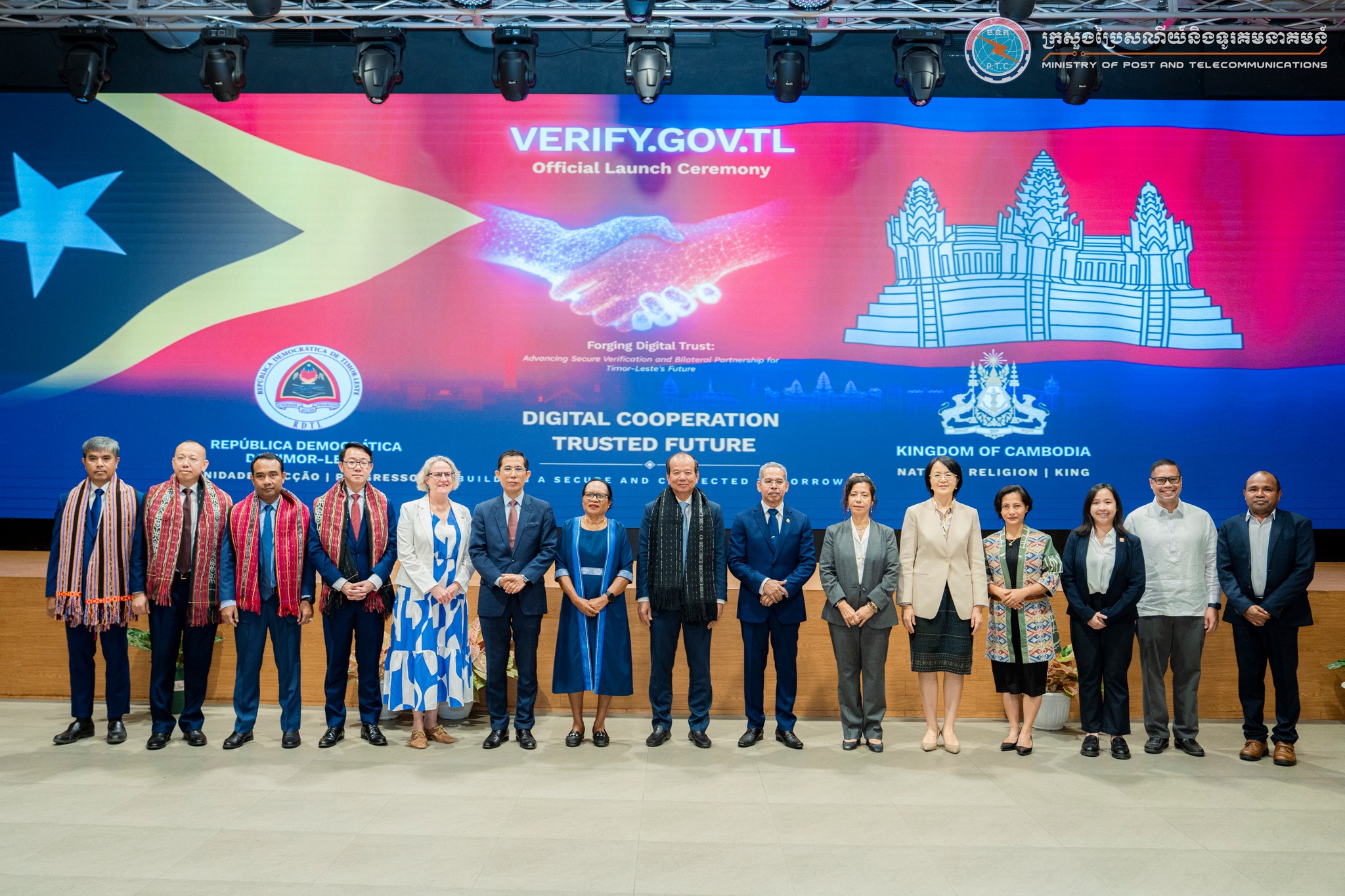
Cambodia has expanded its role as a regional digital government partner following the launch of Timor-Leste’s national document verification platform, verify.gov.tl, a system developed with technical support from the Cambodian government.
The platform was officially launched in Dili on June 1, marking one of the first major outcomes of a bilateral cooperation agreement on digital transformation signed between Cambodia and Timor-Leste in January 2025.
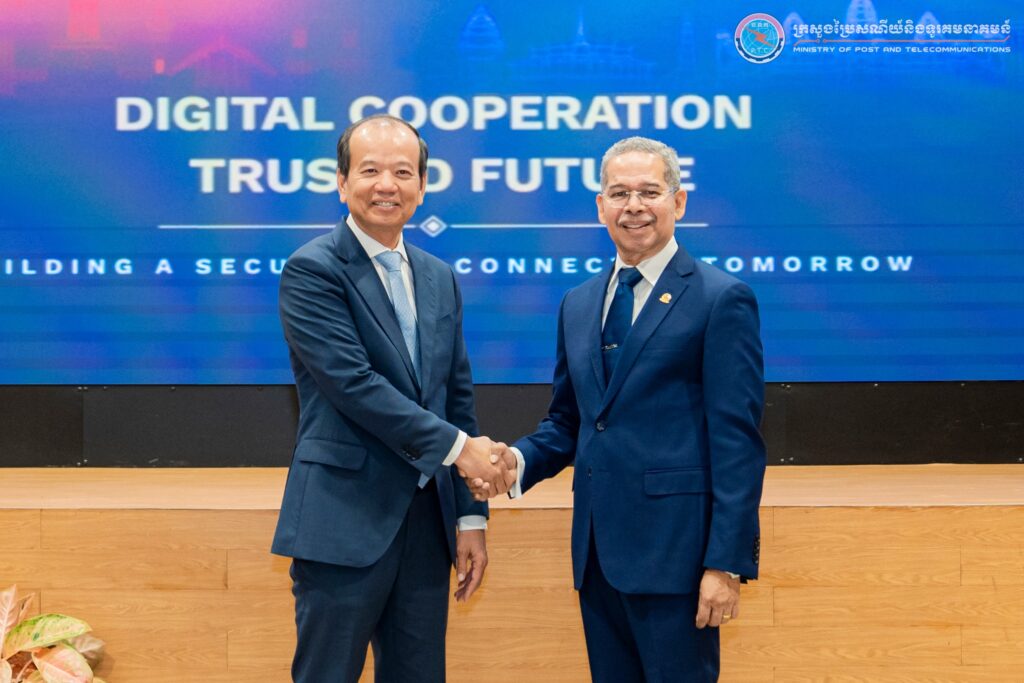
The launch ceremony was attended by approximately 500 government officials, delegates, and stakeholders, led by Timor-Leste’s Minister of Transport and Communications, H.E. Miguel Marques Gonçalves Manetelu, and Cambodia’s Minister of Post and Telecommunications, H.E. Chea Vandeth.
Cambodia’s Digital Model Exported Abroad
The verify.gov.tl platform was developed with support from Cambodia’s Ministry of Post and Telecommunications (MPTC), which deployed technical experts to assist Timor-Leste under a memorandum of understanding covering telecommunications, information and communications technology, and digital transformation.
The platform is based on Cambodia’s verify.gov.kh system, which allows citizens, businesses, and government agencies to verify the authenticity of official documents through QR-code technology.
The project reflects Cambodia’s growing ambition to position itself as a provider of digital public infrastructure solutions in the region, leveraging expertise developed through its own digital government initiatives.
Driver’s Licences Selected as First Use Case
Timor-Leste has chosen driver’s licences as the first official document to be integrated into the new verification platform.
According to Cambodia’s Ministry of Post and Telecommunications, the introduction of QR-code verification has significantly reduced the cost of producing physical driver’s licences in Timor-Leste, lowering costs from approximately $4 per card to just $0.10 per card.
The system also integrates relevant government databases, enabling authorities and users to verify licence authenticity through the national portal.
Cambodia has implemented a similar approach through verify.gov.kh, where driver’s licences can be digitally verified and accessed through the DG SuperApp. Citizens can request a digital driver’s licence in less than a minute through the dgconnect platform.
Expanding Digital Public Services
The two governments plan to expand the platform beyond driver’s licences to include additional public documents, including educational certificates and civil registry records.
The initiative has already received approval from Timor-Leste’s Council of Ministers, providing a foundation for broader adoption across government agencies.
Officials from both countries reaffirmed their commitment to strengthening bilateral cooperation in digital transformation, telecommunications, postal services, and information technology, with technical teams expected to continue collaborating on future phases of the project.
The launch highlights a growing trend across Southeast Asia and emerging economies, where governments are investing in digital public infrastructure to improve service delivery, reduce administrative costs, and strengthen trust in official documentation through secure digital verification systems.