
Cambodia Leadership Review
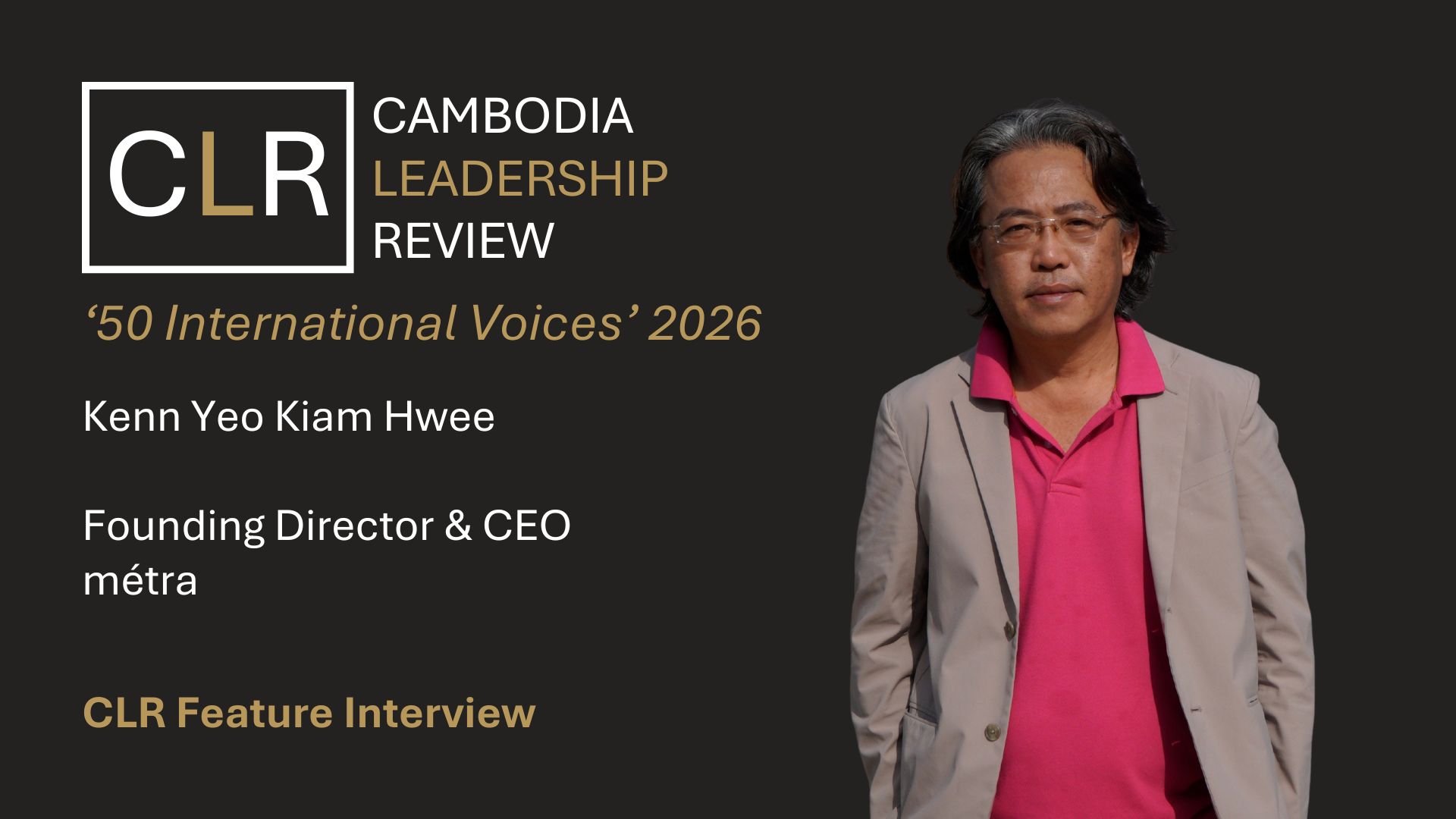
Kenn Yeo Kiam Hwee is the Founding Director and Chief Executive Officer of Metra, bringing more than 25 years of international experience across architecture, master planning, construction management, and property development. Having worked across multiple disciplines within the built environment, his leadership philosophy is rooted in synthesis — balancing design integrity, commercial viability, and long-term community value.
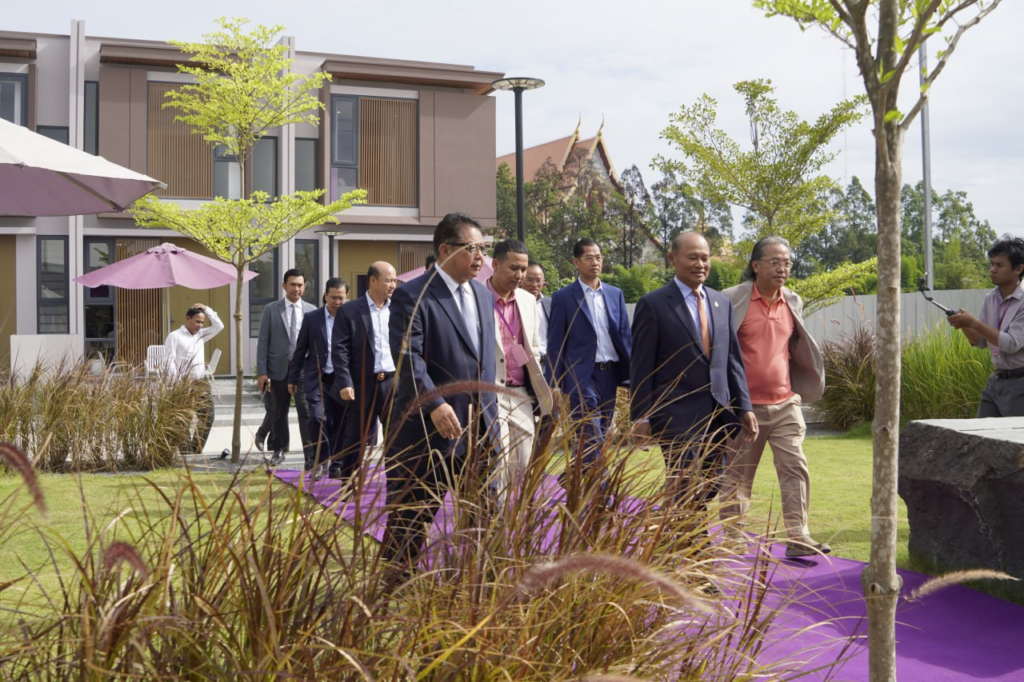
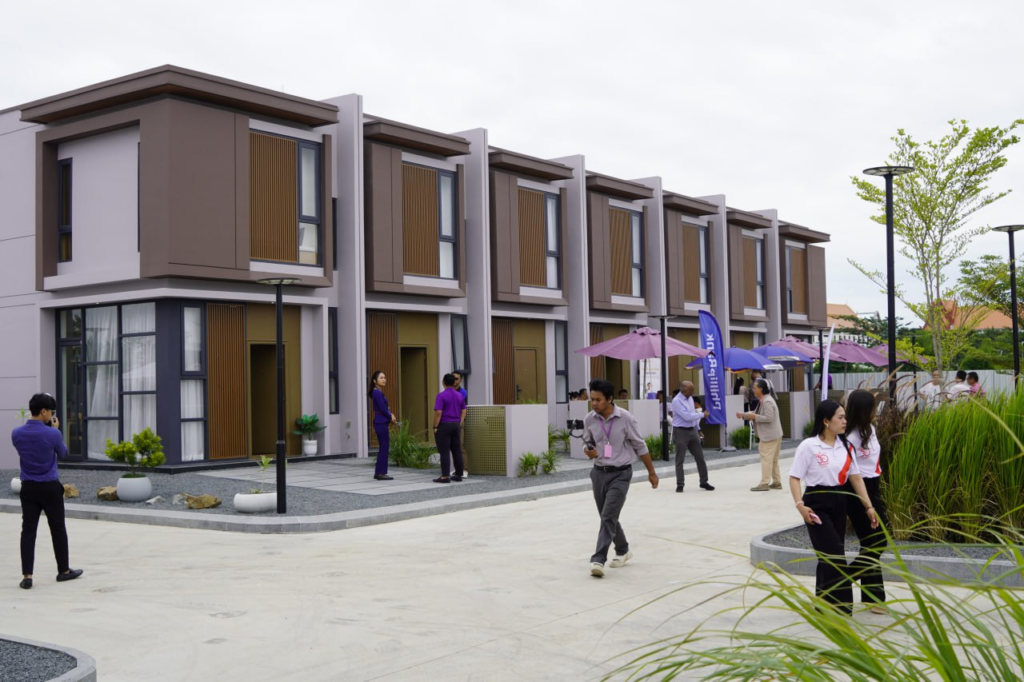
At a time when Cambodia’s real estate sector is undergoing structural adjustment, Kenn is focused on addressing what he sees as one of the country’s most pressing challenges: accessible, well-designed housing for the emerging middle-income segment. Through Metra Estate Legacy in Chbar Ampov, he aims to demonstrate that disciplined, need-driven development can succeed even in a challenging cycle.
In this interview, he reflects on leadership evolution, market opportunity, the P50–P80 housing gap, and the role of cross-sector collaboration in addressing Cambodia’s long-term housing needs.
Download the 50 International Voices Magazine 2026 here.
Leadership Across Architecture, Development, and Investment
CLR: With more than 25 years of experience spanning architecture, planning, and development, how has your leadership approach evolved, and how do you balance design integrity with commercial realities?
My approach has evolved through experiencing projects from multiple perspectives — architecture, construction, planning, and investment. Every issue can look different depending on which discipline you stand in and what values you prioritize.
Over time, I learned that leadership is about synthesizing all these viewpoints while keeping genuine care for the end user at the center. Ultimately, the experience of the human being using the space must be the primary concern.
In housing, balancing architectural aesthetics, functional needs, cost constraints, and durability is one of the most difficult challenges. However, it is achievable when sufficient care and heart are invested in the process. Commercial discipline is important, but design integrity should not be sacrificed. The goal is balance — not dominance of one factor over another.
Identifying Opportunity in a Challenging Market
CLR: Cambodia’s real estate sector is navigating a difficult cycle. What gave you confidence to move forward with Metra Estate Legacy in this environment?
Regardless of economic cycles, housing for common people remains one of Cambodia’s most acute long-term challenges. Since 2014, the need for accessible housing has been clear.
Metra’s business model is need-driven rather than cycle-driven. We view our work as solving a structural issue that cannot be addressed without proper collaboration between government, banking institutions, and private developers.
Our confidence comes from research, a humble understanding of the problem, and strong partnerships. The early response — through walk-ins, referrals, and partner engagement — indicates that the demand is real. It suggests that when a project addresses genuine needs at the right price point, the market responds.
Addressing the P50–P80 Housing Gap
CLR: Why has the P50–P80 income segment been underserved, and how is Metra responding?
In fast-growing markets, developers often focus on higher-margin projects rather than segments with tighter profitability. The P50–P80 segment, representing approximately 40% of the housing market, is perceived as difficult due to smaller ticket sizes and narrower margins.
However, we do not look at margin alone. We look at the size of real demand. Our focus is on building communities and creating long-term value rather than maximizing short-term profits per unit.
To do this successfully, we must carefully balance affordability, accessibility, amenities, and long-term livability. Price ticket size, location connectivity, and supporting services are all critical to stacking the conditions for community success. When these elements align, sustainable value can be created even in a tight-margin segment.
Housing, Urban Growth, and Market Evolution
CLR: How do you see Cambodia’s housing market evolving over the next few years?
Rather than focusing on short-term noise, we look at long-term national trends. Cambodia is on a trajectory toward higher GDP per capita, and with that comes a growing middle class with rising expectations and spending power.
Conservatively, Cambodia requires around 50,000 housing units annually, with Phnom Penh accounting for more than 20,000 units. Demand is not the issue. The issue is alignment between supply and affordability.
The current oversupply of overpriced housing and financial congestion in parts of the real estate sector signal that a tipping point for change is already here. The market will favor responsible developers who provide housing options that align with real budgets and genuine needs.
The Role of Government and Cross-Sector Collaboration
CLR: What can other organisations and government institutions do to help address Cambodia’s housing challenges?
Housing must be viewed holistically. Even though Metra targets a specific middle segment, collaboration across sectors is essential.
We have been invited to provide advice and strategic input to the Ministry of Land Management, Urban Planning and Construction (MLMUPC) regarding affordable housing. There is ongoing exploration of synergies in areas such as squatter rehabilitation and upgrading of deteriorated urban buildings.
We are also engaging with international financial institutions to explore participation in housing initiatives, and we work with banks in Cambodia to structure housing loans for buyers at below-market interest rates.
Additionally, strategic partnerships with construction material suppliers help reduce costs while improving quality.
Addressing housing affordability requires coordination between government policy, financial systems, supply chains, and developers. When these elements work together, meaningful and sustainable change becomes possible.
Download the 50 International Voices Magazine 2026 here.