
Mao Sreng
The recent Khmer New Year celebration at the Australian Centre for Education (ACE) in Phnom Penh showcased Cambodia’s vibrant cultural heritage and strong sense of community.
Bringing together students, families, and the wider public, the event highlighted how traditional festivities can deepen appreciation of Khmer culture while embracing global perspectives.
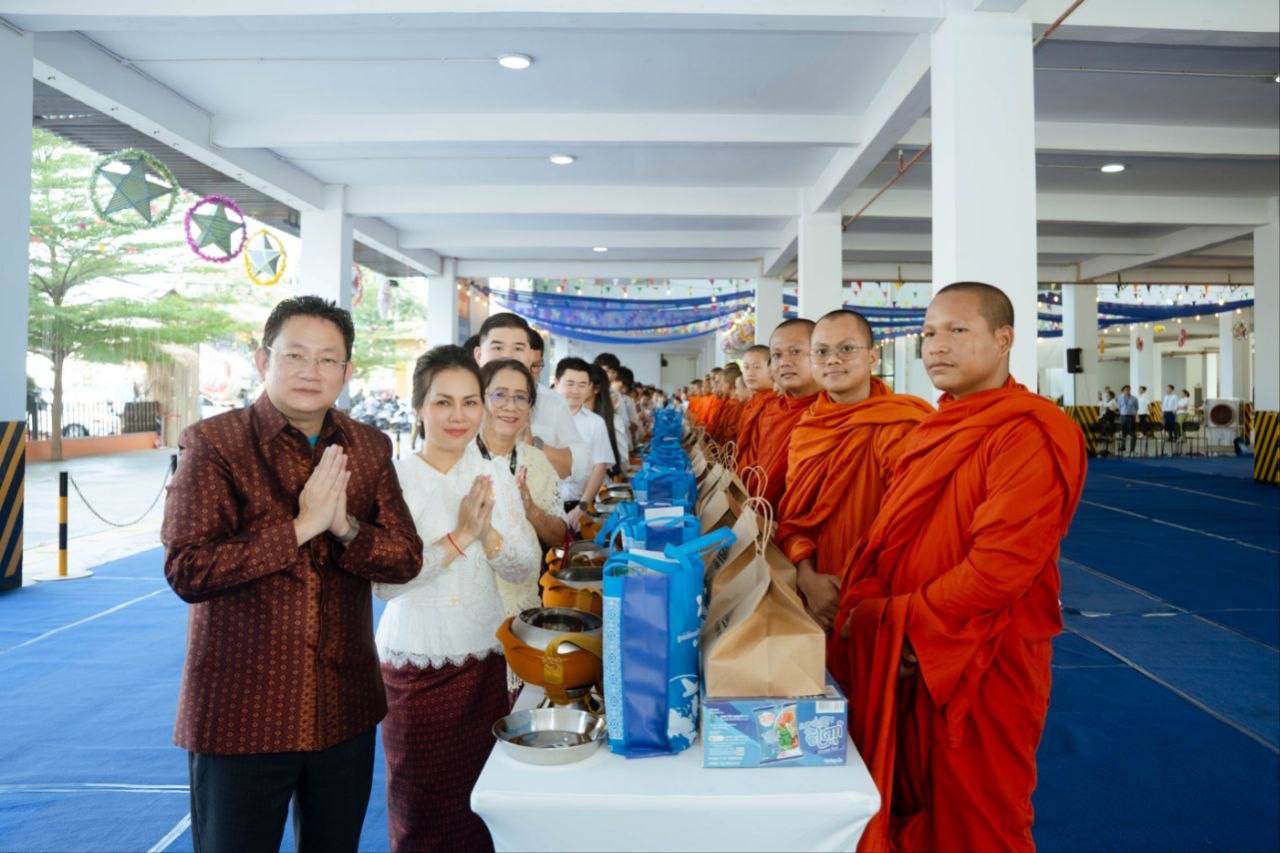
At the Chak Angre campus, the program began with a friendship breakfast featuring 10 varieties of Nom Banh Chok, reflecting Cambodia’s rich culinary diversity. This was followed by a blessing ceremony and food offerings to 80 monks, reinforcing deeply rooted Buddhist values.
A professional team from the Royal University of Fine Arts performed the Trot dance, further highlighting Cambodia’s rich performing arts traditions.
ACE also distributed 10,000 Num Ansom, or sticky rice cakes, along with other delicacies, strengthening community spirit during the festival. As one of the country’s largest language education providers, ACE records more than 100,000 enrollments annually from over 30 nationalities. It is also recognized as a leading global language school, reflecting its commitment to quality, innovation, and international standards.
These initiatives go beyond celebration. They demonstrate how integrating Cambodia’s cultural heritage into education can contribute to national development.
In a rapidly changing world, education must equip learners with language proficiency, digital literacy, and professional skills while preserving national identity. Cambodia’s long term growth depends on balancing modernization with cultural roots.
Embedding cultural practices in education can also support economic development. Cambodian cuisine, such as Nom Banh Chok, presents opportunities for cultural diplomacy and tourism. Its regional diversity reflects local identity and, if effectively promoted, can strengthen tourism and support small and medium enterprises across the country.
Traditional foods such as Num Ansom embody values of sharing and generosity. These can be promoted as signature cultural products during major celebrations, contributing to the growth of Cambodia’s creative and cultural economy.
Religious and community practices, including offerings to monks, reinforce values such as respect, unity, and collective responsibility, all of which are essential for sustainable development.
As education increasingly integrates technology, it remains important to maintain human-centered experiences that strengthen identity and social connection. Cultural activities in schools can help balance tradition with innovation.
Educational institutions play a critical role in developing human capital, preserving cultural heritage, and strengthening social cohesion. By integrating culture into education, they help nurture a generation that is both globally competitive and firmly grounded in Cambodian values.
As Cambodia continues to engage with the global economy, aligning education, culture, and opportunity will be key to achieving sustainable and inclusive development.
Mao Sreng is the Country Director of IDP Education Cambodia and leads the Australian Centre for Education. He was named among the 50 most influential voices in international education across Asia, Australia, and New Zealand by The PIE, a London-based media organization. Over the past 26 years, he has contributed to advancing education, skills development, and international partnerships in Cambodia.