

Cambodia Leadership Review
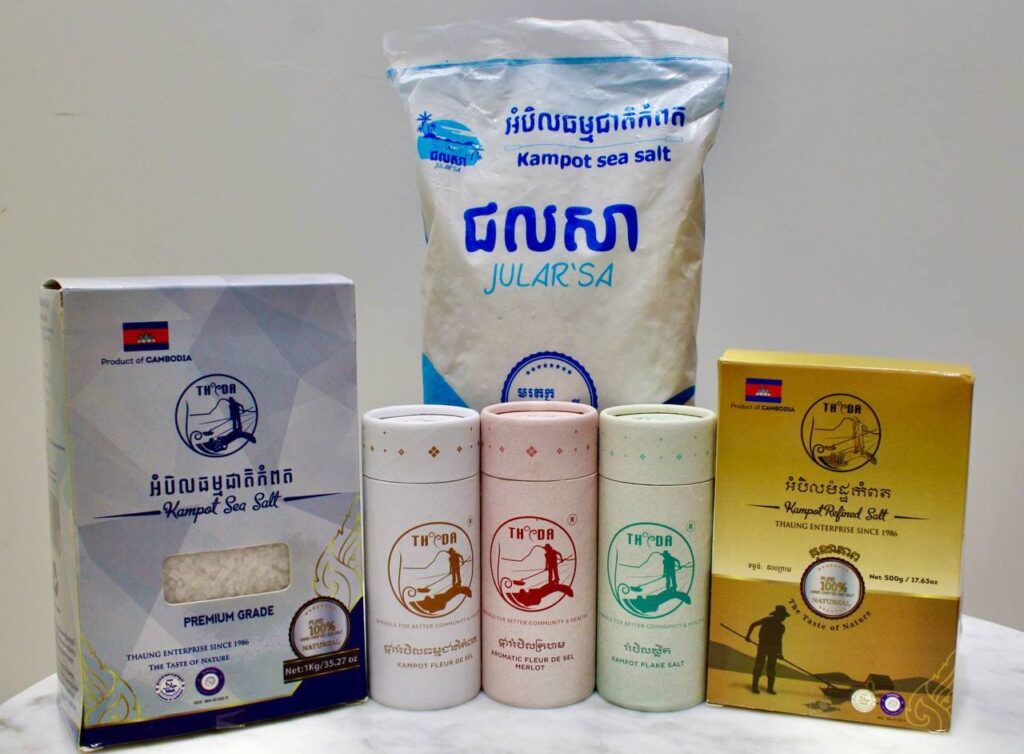
As Founder of Thaung Enterprise, Thaung Thyda is helping bring one of Cambodia’s oldest traditions to modern consumers through a brand built around natural Kampot sea salt. Inspired by her family’s salt farming heritage, she has combined traditional production methods with contemporary branding to showcase the quality and authenticity of Cambodian-made products.
Passionate about sustainable agriculture, local entrepreneurship, and community development, Thyda believes Cambodian products can compete confidently on the international stage while preserving their cultural identity. Through Thaung Enterprise, she continues to support local producers while promoting innovation across Cambodia’s growing SME sector.
In this edition of 50 Khmer Women Voices 2026, Thyda reflects on building a Cambodian brand, empowering women entrepreneurs, promoting locally made products internationally, balancing tradition with modern business, and her advice for the next generation of women founders.
Building a Cambodian Brand
CLR: What first inspired you to launch Thaung Enterprise, and why was it important for you to focus on promoting Cambodian-made natural salt products from Kampot?
Thyda: Launching Thaung Enterprise came from a strong belief that Cambodian products deserve greater recognition and value. Growing up in a small village on an island- surrounded with sea and salt farms, I saw many natural and traditional Cambodian products that carried deep cultural identity and excellent quality, yet they often lacked modern branding and international visibility. I wanted to help change that perception by building a Cambodian brand that could proudly represent quality, authenticity, and local heritage.
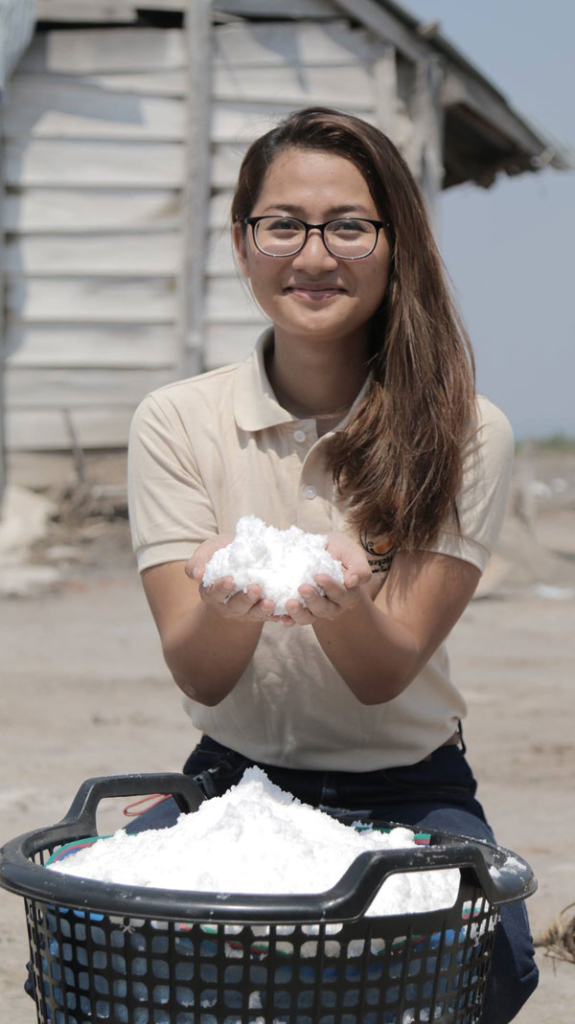
My inspiration particularly came from Cambodia’s traditional salt farming communities in Kampot included my family. My parents worked incredibly hard throughout their lives in the salt farm, often making sacrifices and enduring difficult conditions to give me access to pursue higher education. Salt may appear to be a simple product, but behind it is generations of knowledge, hard work, and connection to nature. Kampot’s coastal environment, mineral-rich seawater, and traditional harvesting methods create a product that is unique to Cambodia. However, many people, especially outside the country, did not fully understand the value of Cambodian natural sea salt.
With opportunity I have been receiving included my education, I decided to focus on natural salt because it represents both tradition and sustainability. Cambodian salt farmers rely heavily on natural sunlight, seawater evaporation, and manual harvesting methods that have been passed down through generations. I wanted to preserve that story while also presenting it in a modern way that could connect with today’s consumers.
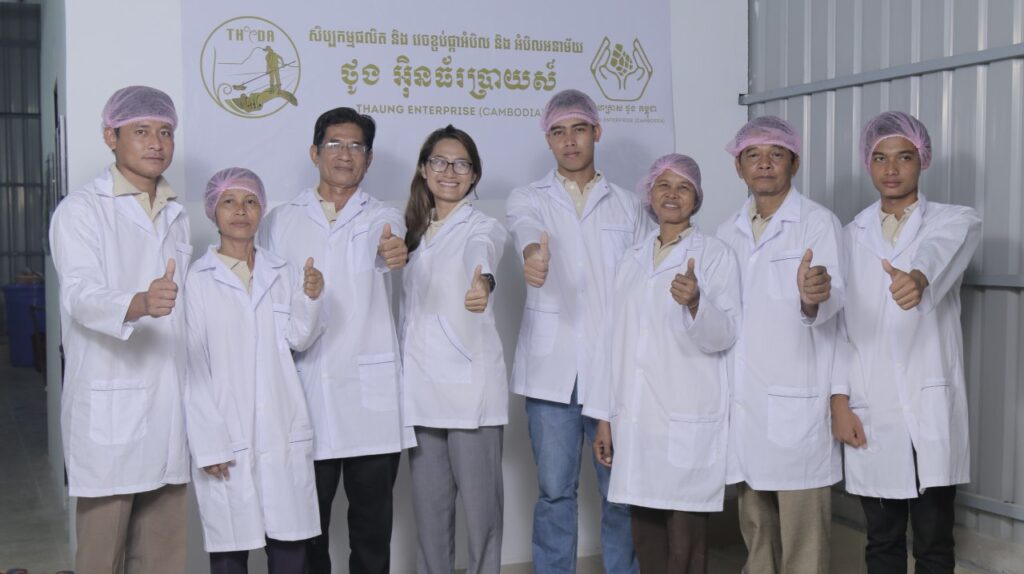
Thaung Enterprise was built not only to sell products but also to create awareness about Cambodian-made goods. I believe Cambodia has tremendous potential in agriculture, natural food products, and sustainable local industries. Through branding, education, and quality improvement, Cambodian products can compete confidently in both local and international markets.
Another important motivation was supporting local communities. When consumers buy locally made products, they are also supporting farmers, producers, and families who work hard to preserve traditional industries. I believe businesses should create long-term value for communities, not only financial profit.
At the same time, building a Cambodian brand requires consistency and patience. Consumers today care about quality, transparency, sustainability, and authenticity. We therefore focus on maintaining product quality through sustainable practice, improving packaging, and educating consumers about the benefits of natural sea salt and traditional Cambodian production methods.
I also believe Cambodian entrepreneurs should not feel pressured to imitate foreign brands. Instead, we should focus on telling authentic Cambodian stories in a professional and modern way. International consumers increasingly value products that carry real cultural identity and traceable origins. Ultimately, Thaung Enterprise represents more than a business. It reflects pride in Cambodian heritage and belief in Cambodia’s future potential. My goal is to help create stronger recognition for Cambodian-made products while contributing to the growth of local entrepreneurship and sustainable industries.
Women and Entrepreneurship in Cambodia
CLR: As a young female entrepreneur, what challenges and opportunities have you experienced while building a business in Cambodia’s growing startup and SME landscape?
Thyda: As a young female entrepreneur, building a business in Cambodia has been both challenging and rewarding. Entrepreneurship requires resilience, adaptability, and continuous learning, especially when starting from limited resources. One of the biggest challenges for young women entrepreneurs is gaining credibility and trust in competitive business environments.
In many industries, women are still expected to prove themselves more strongly before being fully recognized as leaders. There can also be social expectations that discourage women from taking risks or pursuing ambitious business goals. However, I believe these challenges are slowly changing as more Cambodian women step into leadership roles across business, education, and social enterprises.
At the same time, Cambodia’s growing startup and SME ecosystem is creating exciting opportunities. More young people are becoming interested in entrepreneurship, innovation, and local product development. Digital platforms and social media also allow small businesses to reach larger audiences without requiring massive investments.
For women entrepreneurs, one important strength is adaptability. Women often bring strong communication skills, creativity, and community-centered leadership into business. These qualities are increasingly valuable in modern markets where consumers care about authenticity, trust, and social impact.
Personally, I have learned that entrepreneurship is not simply about profit or business growth. It is also about problem-solving, creating opportunities, and building long-term impact. Every challenge becomes part of the learning process. Whether facing financial difficulties, operational issues, or market competition, resilience is essential.
Another challenge for SMEs in Cambodia is access to resources, including financing, technical support, and international market knowledge. Many small businesses have strong products but struggle with branding, packaging, certifications, or export readiness. This is why collaboration between entrepreneurs, government institutions, and development organizations is important to strengthen Cambodia’s local business ecosystem.
Fortunately, there is growing support for women-led businesses in Cambodia. More organizations are promoting women’s entrepreneurship, leadership training, and small business development. This creates greater confidence for younger generations of women to pursue entrepreneurship. I also believe representation matters. When young women see other Cambodian women building successful businesses, it encourages them to believe that their own ideas and ambitions are possible. Entrepreneurship can empower women not only economically but also socially by increasing confidence, independence, and leadership opportunities.
For me, being a female entrepreneur means balancing determination with responsibility. It means creating value while remaining connected to community and culture. I hope more Cambodian women will continue entering business and contributing to Cambodia’s economic development through innovation, creativity, and leadership.
Promoting Cambodian Products Internationally
CLR: Cambodia is producing more high-quality local products with export potential. What opportunities do you see for Cambodian-made products to grow both locally and in international markets?
Thyda: Cambodia has enormous potential to grow as a producer of high-quality local products with international appeal. Around the world, consumers are increasingly searching for products that are authentic, naturally sourced, sustainable, and connected to real communities. Cambodia already possesses many products that meet these expectations.
Products such as Kampot sea salt, Kampot pepper, palm sugar, wild honey, rice, cashew nut, and other agricultural goods carry unique regional identity and cultural value. These products are not only ingredients; they represent Cambodia’s geography, traditions, and local craftsmanship. One major opportunity for Cambodian-made products is the growing global demand for traceable and premium food products.
Consumers today want to know where products come from and how they are produced. Cambodian products often have strong stories behind them, including traditional harvesting methods and natural production processes. However, improving product quality alone is not enough. Branding, packaging, consistency, and international marketing are equally important.
Many Cambodian products have excellent quality but remain under-recognized because they lack strong brand positioning. To compete globally, Cambodian businesses must invest in professional presentation, certifications, quality control, and customer education.
Digital technology also creates new opportunities for local businesses. Social media and e-commerce platforms allow Cambodian entrepreneurs to share their stories directly with international consumers. In the past, global market access was mostly limited to large companies. Today, even small businesses can build international visibility through online platforms. Another important opportunity is the increasing interest in ethical and sustainable products.
Cambodia’s traditional agricultural systems are often naturally aligned with sustainability because they rely heavily on manual labor, local knowledge, and natural resources. This creates potential for Cambodian brands to position themselves within premium and environmentally conscious markets.
At the same time, Cambodia must continue strengthening production standards, food safety systems, and export capacity. International buyers expect reliability and consistency. Supporting SMEs with training, technical assistance, and export readiness programs can help Cambodian businesses become more competitive.
I also believe Cambodian products should focus on preserving authenticity rather than trying to imitate foreign products. Cambodia’s strength lies in its uniqueness. International consumers are often interested in products with real cultural stories and local identity.
Promoting Cambodian-made products internationally is not only beneficial for businesses; it also supports local farmers, preserves traditional industries, and strengthens national pride. When Cambodian products succeed globally, they help create a stronger image of Cambodia as a country capable of producing high-quality and meaningful products.
Looking ahead, I believe Cambodia has the potential to become more recognized for premium agricultural and natural products. With stronger collaboration between entrepreneurs, producers, and institutions, Cambodian-made products can continue expanding into larger international markets while preserving their cultural roots.
Balancing Tradition and Modern Business
CLR: Your business is rooted in a traditional Cambodian product while also targeting modern consumers and export markets. How do you balance preserving local identity with building a competitive modern brand?
Thyda: One of the most important aspects of building Thaung Enterprise is finding the right balance between traditional Cambodian identity and the demands of modern business. For me, tradition and innovation are not opposites; rather, they complement each other. In fact, preserving authenticity can become one of the strongest advantages in today’s competitive global market.
Our products are rooted in traditional Cambodian salt farming practices that have been passed down for generations. These methods rely on natural sunlight, seawater evaporation, and manual harvesting techniques. They are deeply connected to Cambodia’s coastal culture and agricultural heritage, reflecting both history and community knowledge.
At the same time, modern consumers expect high standards in quality, packaging, food safety, and branding. This means we must continuously improve how Cambodian products are presented and positioned, while still respecting their traditional origins.
One of the key ways we achieve this balance is through storytelling. We do not hide tradition or replace it; we translate it into a form that modern consumers can understand and appreciate. The real balance comes from clearly distinguishing what must be preserved and what can evolve. The methods, sourcing, and craftsmanship remain rooted in tradition, while presentation, distribution, and communication adapt to modern markets.
Inspiring the Next Generation of Women Founders
CLR: What advice would you give to young Cambodian women who are thinking about starting their own business or launching locally-made products onto larger markets?
Thyda: My advice to young Cambodian women is to believe in the value of your ideas and not wait for the “perfect moment” to begin. Entrepreneurship is a journey of learning, and many successful businesses start with limited resources but a strong sense of purpose.
Cambodia has many unique products, traditions, and local resources that have tremendous potential. Rather than looking elsewhere for inspiration, I encourage young women to look at the strengths within their own communities. Some of the best business opportunities come from preserving and improving what already makes Cambodia special.
At the same time, it is important to invest in continuous learning. Building a business today requires more than having a good product. Entrepreneurs need to understand branding, marketing, digital technology, customer engagement, and quality management. Every challenge becomes an opportunity to grow and improve.
For those who want to bring Cambodian-made products to larger markets, my advice is to focus on authenticity and quality. International consumers are increasingly interested in products with real stories, clear origins, and cultural identity.
Cambodian entrepreneurs should not feel pressured to imitate foreign brands. Instead, we should proudly share our own stories while presenting our products professionally and consistently.
I also encourage young women to be confident in their abilities. Women bring valuable strengths to entrepreneurship, including creativity, adaptability, communication, and community-centered leadership. The more women step into business and leadership roles, the more they inspire future generations to do the same.
Most importantly, remember that success does not happen overnight. Building a business requires patience, resilience, and persistence. Stay committed to your vision, continue learning, and do not be afraid of setbacks. Every challenge is part of the journey. I believe the next generation of Cambodian women entrepreneurs has the potential to create innovative businesses, strengthen local communities, and bring Cambodian products to the world stage.
Explore the complete Cambodia Leadership Review – 50 Khmer Women Voices 2026 featuring exclusive interviews with Cambodia’s Top 50 Khmer Women leaders. Discover their journeys, leadership lessons, and vision for the Kingdom’s future.