
Cambodia Leadership Review
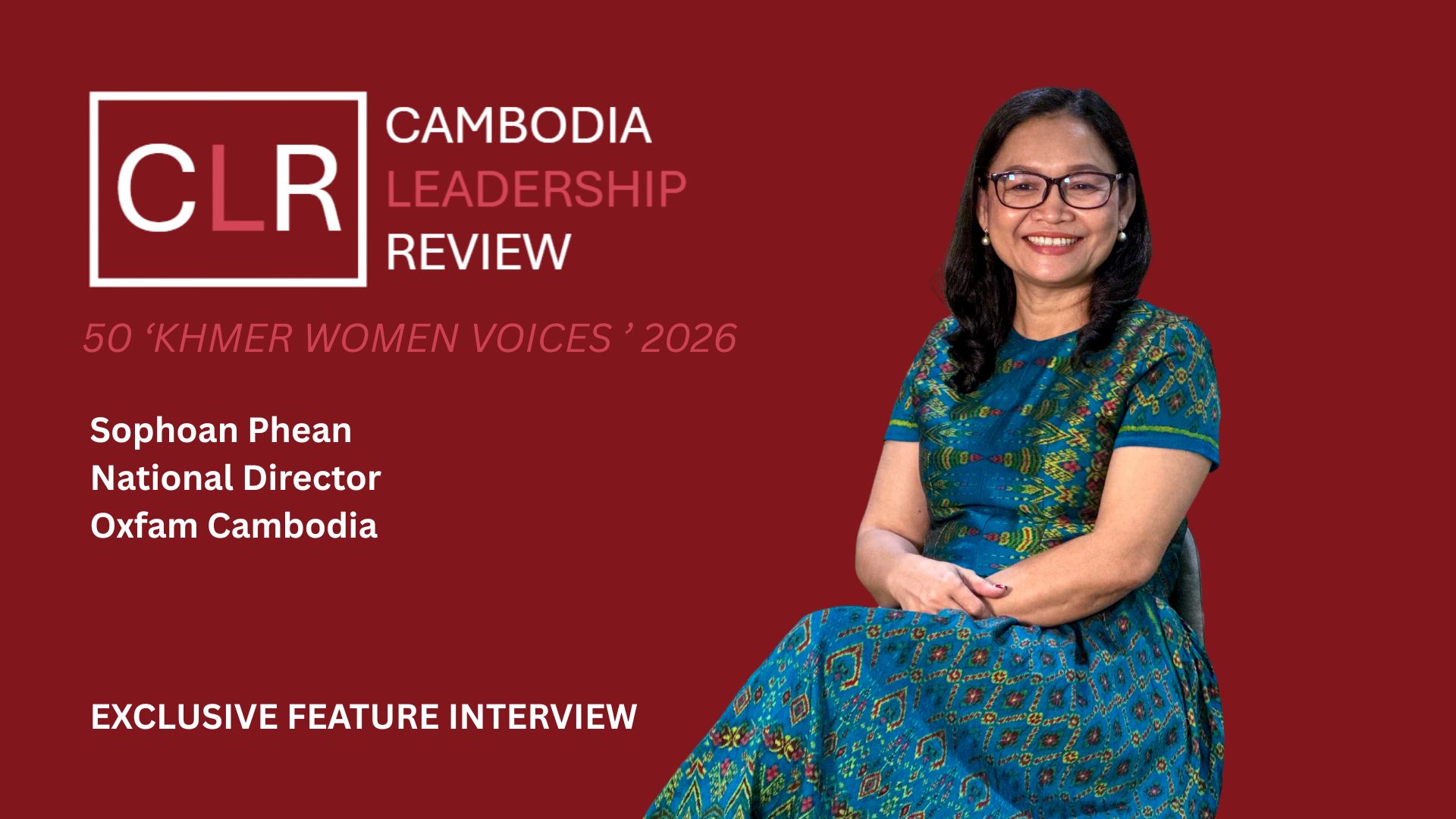
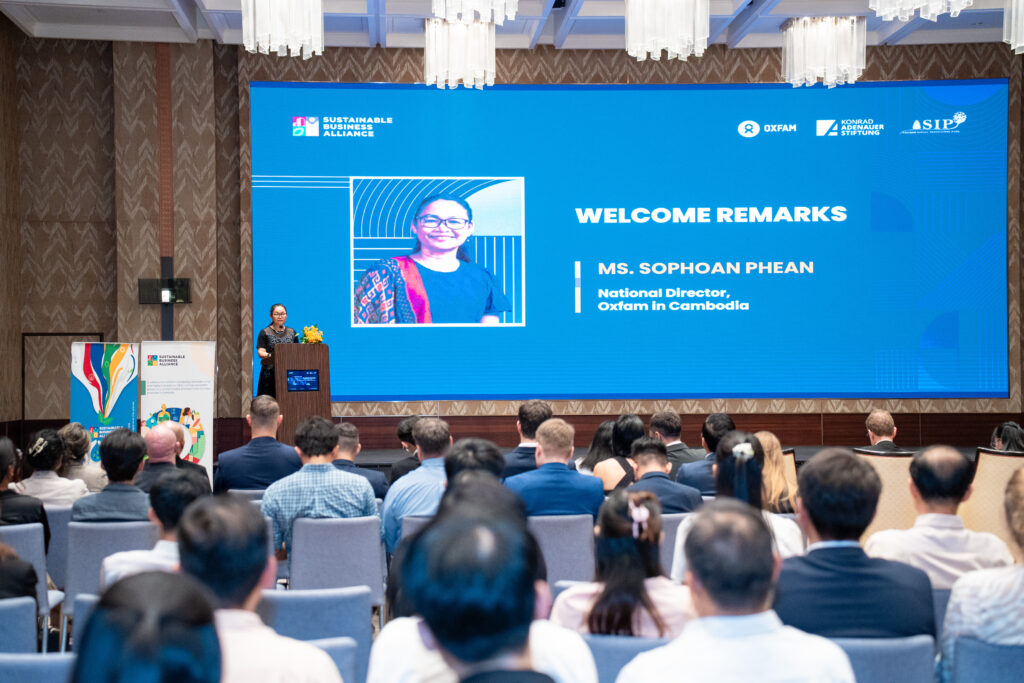
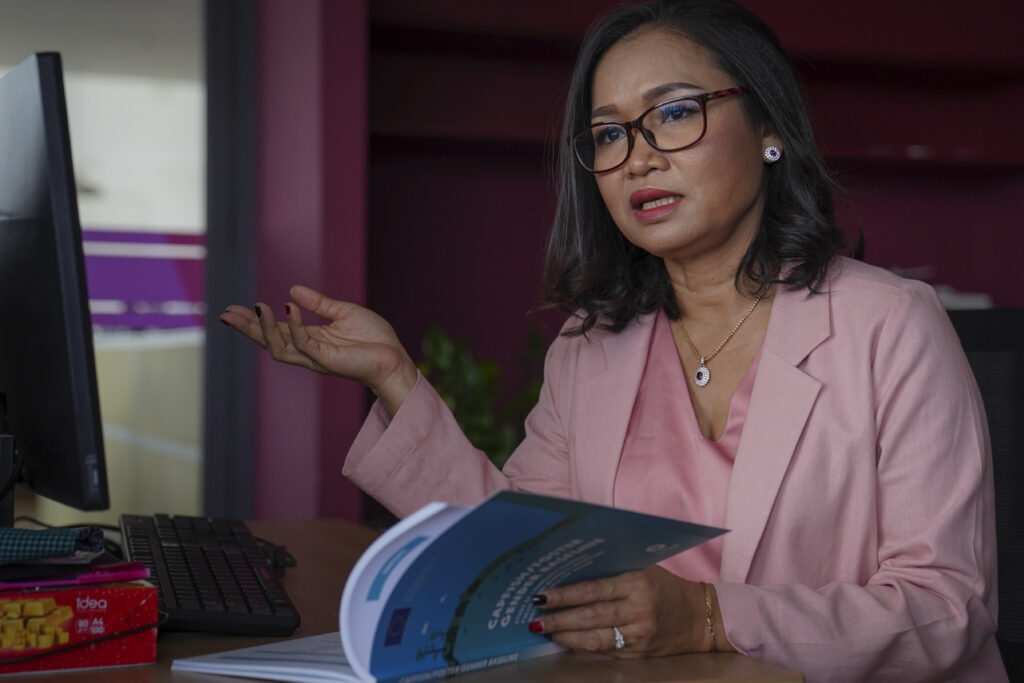
As National Director of Oxfam in Cambodia, Sophoan Phean leads one of the country’s leading development organisations, working to advance gender equality, economic inclusion, climate resilience, and social justice.
With nearly two decades of experience across Cambodia and the Southeast Asia region, she has worked closely with communities, civil society, and policymakers to promote more inclusive and sustainable development. Sophoan believes women’s empowerment is fundamental to Cambodia’s long-term economic and social progress. Through her work, she continues to champion greater opportunities for women, stronger community resilience, and more inclusive economic growth.
In this edition of 50 Khmer Women Voices 2026, Sophoan reflects on women’s empowerment, supporting Cambodia’s informal economy, building more inclusive economic opportunities, and her advice for the next generation of women leaders.
Empowering Women Through Development
CLR: Oxfam has long worked on issues surrounding economic inclusion, social development, and empowerment. From your perspective, how important is women’s empowerment to Cambodia’s long-term social and economic progress?
Sophoan: Cambodia has made significant strides in economic growth and poverty reduction over the last two decades. Yet, the question of who benefits from this progress remains critical. From Oxfam’s perspective, women’s empowerment is not only a moral imperative; it is a strategic necessity for Cambodia’s long-term social and economic development.
Across all areas of our work including economic justice, gender equality, climate resilience, and governance, we consistently see that when women are empowered, entire communities and systems transform for the better. Women’s empowerment is central to Cambodia’s future because it directly influences economic productivity, social well-being, and equality.
Women represent a substantial share of the labor force, particularly in agriculture, the garment sector, and informal businesses. However, their contributions are often undervalued and constrained by structural inequalities.
At Oxfam, we view empowerment as multi-dimensional. It is not only about increasing income but also about strengthening agency, voice, and rights. When women gain access to resources such as land, finance, skills, and decent work, they reinvest in their families and communities. Evidence from our programs consistently shows improvements in children’s education, health outcomes, and household resilience when women control more resources.
Moreover, empowerment is essential to achieving gender justice. Deep-rooted norms and inequalities still limit women’s participation in decision-making, both at the household and public levels. Addressing these challenges requires deliberate efforts to transform systems and attitudes, not just individual opportunities.
In Cambodia’s context of economic transition and increasing climate vulnerability, empowering women becomes even more crucial. Women are often frontline responders to shocks whether economic crises, floods, or droughts. Strengthening their resilience and leadership capacity is vital for sustainable development. Ultimately, a Cambodia that invests in women is investing in a more equitable, resilient, and prosperous future.
Supporting Women in the Informal Sector
CLR: Many Cambodian women continue to work within the informal economy, including small trade, agriculture, and community-based businesses. What are some of the biggest challenges these women still face today, and what more can be done to support them?
Sophoan: A large proportion of Cambodian women work in the informal economy, whether as smallholder farmers, street vendors, home-based workers, or micro-entrepreneurs. While this sector provides essential livelihoods, it is also characterized by precarity, low income, and limited protections.
One of the biggest challenges is lack of social protection. Informal workers often do not have access to health insurance, paid leave including maternity leave, or safety nets during economic shocks. This became evident during the COVID-19 pandemic, when many women lost incomes overnight without sufficient support. Another critical barrier is limited access to technology, finance and markets. Women often lack collateral, formal financial records, or connections needed to access credit or expand their businesses. In agricultural value chains, they may also face unequal access to inputs, technology, and market information.
Time poverty is another significant issue. Women carry a disproportionate burden of unpaid care work—caring for children, the elderly, and managing household responsibilities—which restricts their ability to engage fully in economic activities or pursue leadership roles. Additionally, gender norms and limited decision-making power can restrict women’s mobility, confidence, and influence in economic and community spaces.
To address these challenges, we need coordinated action.
We must also invest in skills development and market linkages to help women move up value chains and unlock new opportunities. At the same time, we cannot ignore the heavy burden of unpaid care which can be achieved through community services, childcare infrastructure, and policy reforms that promote shared care responsibilities. And finally, we must support women’s collective action through cooperatives and associations because when women join forces, they gain bargaining power, they amplify their voices and they drive lasting change.
Oxfam has seen success in supporting women-led savings groups, farmer networks, and small enterprises. These initiatives not only improve incomes but also strengthen solidarity and confidence among women.
Building Inclusive Economic Opportunities
CLR: As Cambodia’s economy continues to modernise, how can development organisations, businesses, and policymakers work together to ensure women are not left behind in the country’s economic transformation?
Sophoan: As Cambodia’s economy modernizes—through industrial diversification, digitalization, and integration into global markets—there is both opportunity and risk. Without intentional action, women could be left behind in this transformation. Ensuring inclusive economic growth requires collaboration across all sectors. Development organizations, like Oxfam, play a catalytic role.
We pilot innovative approaches, support community-based solutions, and advocate for inclusive policies. Our focus is clear promoting fair value chains where women producers and workers receive equitable benefits, supporting women’s entrepreneurship and leadership, and generating evidence that influences policy and practice so women can fully realize their potential as agents of change.
The private sector is equally vital. Businesses are drivers of economic transformation, and they carry both responsibility and opportunity. By ensuring fair wages and safe working conditions, investing in skills training and career advancement for women, and embedding gender-sensitive policies across operations and supply chains, companies can make a difference. Inclusive business models are not only ethical, they are profitable, creating resilient supply chains and a more productive workforce.
Government leadership is essential to create an enabling environment. Policymakers must enforce labor rights and gender equality regulations, expand social protection coverage, and invest in education, digital infrastructure, and rural development. Just as importantly, they must promote women’s participation in economic policymaking.
A critical frontier for future growth is the digital economy. Women must have equal access to digital skills, tools, and opportunities, otherwise, we risk creating a new form of inequality. Ultimately, inclusive economic transformation depends on aligning efforts across all stakeholders. Together, we can ensure that women are not only participants, but leaders, in Cambodia’s growth story.
Leadership and Social Impact
CLR: As Country Director of Oxfam in Cambodia, how do you approach leadership while balancing advocacy, community impact, and long-term development priorities?
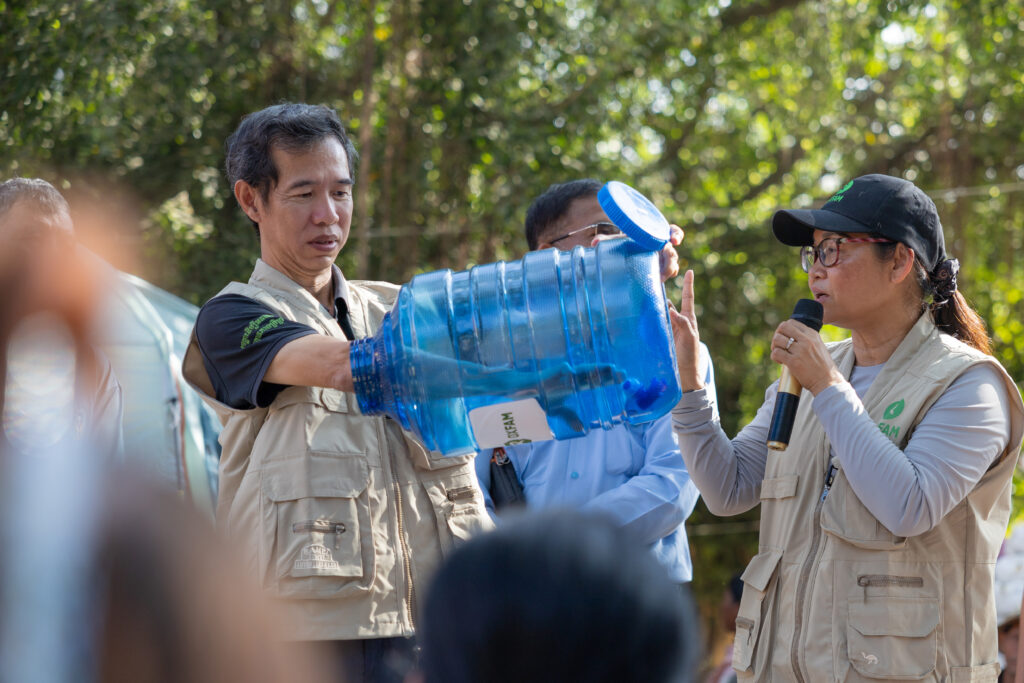
Sophoan: As a National Director of Oxfam in Cambodia, leadership is about balancing vision, partnership, and accountability. It requires navigating complex challenges while remaining grounded in the realities and voices of the communities we serve. My approach is guided by several key principles including effective leadership, values drive-decision making, investing in partnership, and long-term vision.
Effective leadership begins with listening to communities, partners, staff, and stakeholders. Development is not about imposing solutions but about co-creating them with those most affected.
Oxfam’s values—equality, accountability, empowerment, and solidarity—guide our work.
This means prioritizing the rights of marginalized groups, especially women, and ensuring our actions reflect these principles. Change cannot be achieved alone so we work closely with local civil society, women-led groups, government institutions, private sector actors, and development partners placing local leadership and ownership at the center of all interventions.
Strong partnerships enhance both impact and sustainability. While addressing immediate needs is critical, we must also focus on long-term transformation by tackling systemic inequalities, building resilience, and strengthening institutions. By strengthening the capacity and voice of our partners and co-creating solutions grounded in community realities, Oxfam ensures its work remains relevant, inclusive, and sustainable, contributing to systemic change that benefits the most vulnerable, especially women and marginalized communities.
“Leadership in this context is not about authority—it is about facilitating collective impact, nurturing innovation, and remaining accountable to the communities we serve.”
Advice for Future Women Leaders
CLR: What advice would you give to young Cambodian women who want to create positive social impact through leadership, development work, or community engagement?
Sophoan: To young Cambodian women aspiring to create positive social impact: you are the architects of your own future and that of our country. The foundation begins with the right mindset. Here are a few guiding reflections:
First, believe in your voice and your potential. Cambodia’s future depends on the leadership and ideas of its young people, and women have a critical role in shaping that future.
Second, invest in your education and skills. Whether through formal education or community learning, building knowledge and capabilities will open opportunities and strengthen your impact.
Third, engage actively with your community. Change often begins at the local level. By understanding community needs and working collectively, you can create meaningful and lasting impact.
Fourth, seek out networks and mentorship. Surround yourself with peers, mentors, and organisations that support your growth and share your values. Collaboration is essential to overcoming challenges.
Fifth, be courageous in challenging inequality. Progress requires questioning norms and advocating for fairness and justice. Your voice matters in addressing issues such as gender inequality, climate change, and social inclusion.
Finally, remember that leadership is not defined by position—it is demonstrated through action and influence. Whether you are a student, entrepreneur, activist, or professional, you have the power to contribute to positive change.
At Oxfam, we have seen many inspiring examples of young Cambodian women leading initiatives, driving innovation, and uplifting others. Their leadership gives us great hope for the future.
Women’s empowerment lies at the heart of Cambodia’s journey toward inclusive and sustainable development. From strengthening the informal economy to shaping national policies and leading community transformation, women are key agents of change. However, achieving true empowerment requires collective effort, sustained commitment, and systemic change. By working together—across communities, organisations, businesses, and government—we can ensure that Cambodia’s development is not only rapid but also equitable and just.
“Empowering women is not just about fairness—it is about unlocking the full potential of Cambodia as a nation”.
Explore the complete Cambodia Leadership Review – 50 Khmer Women Voices 2026 featuring exclusive interviews with Cambodia’s Top 50 Khmer Women leaders. Discover their journeys, leadership lessons, and vision for the Kingdom’s future.