
Cambodia Leadership Review
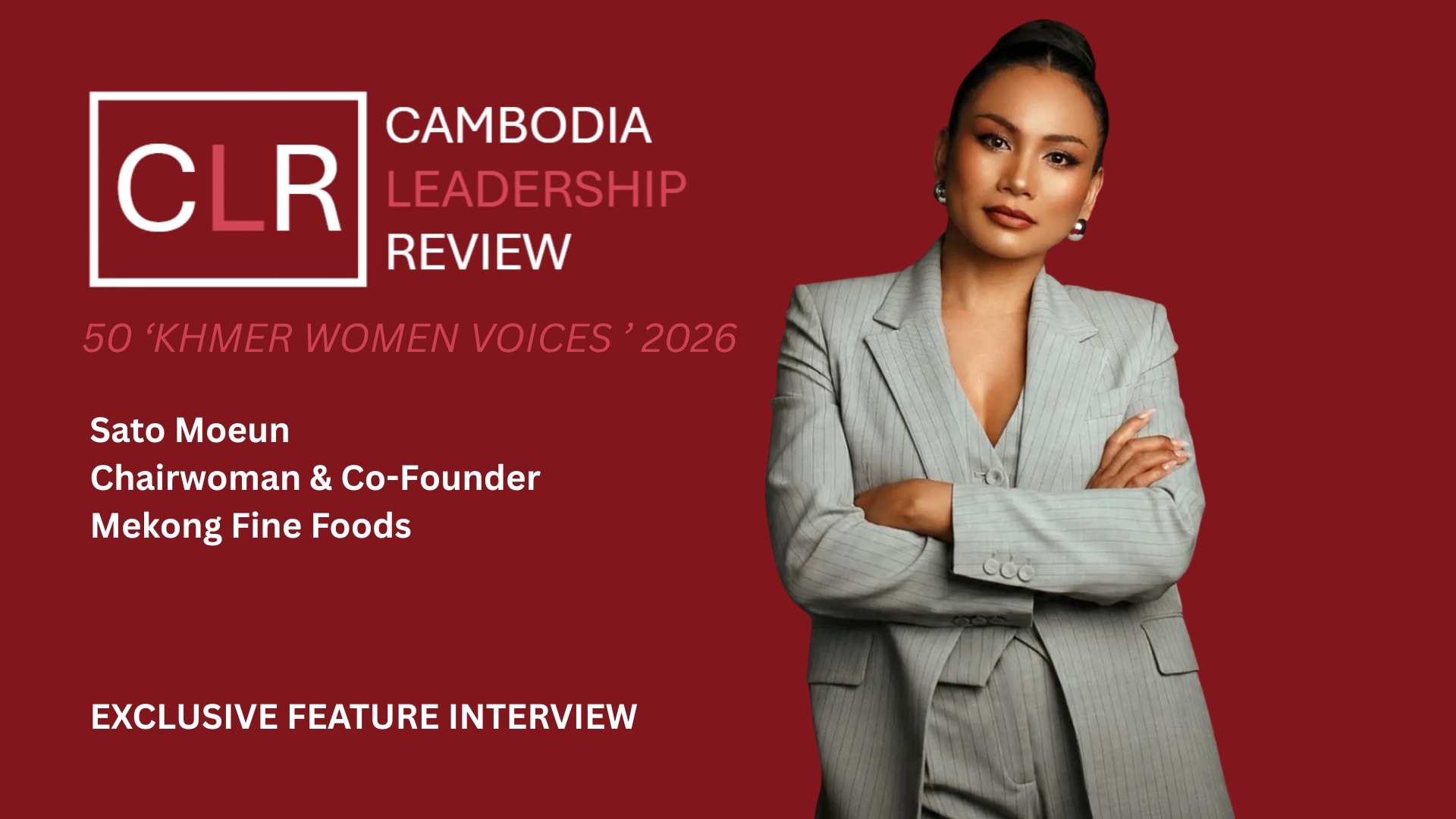
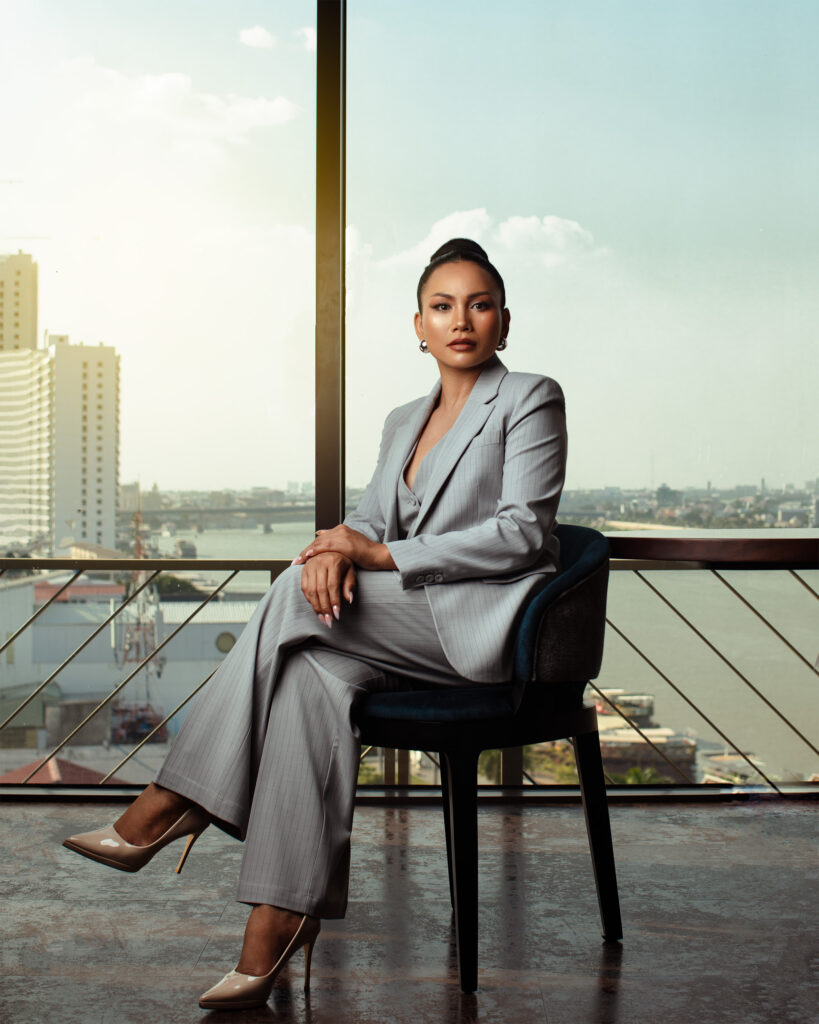
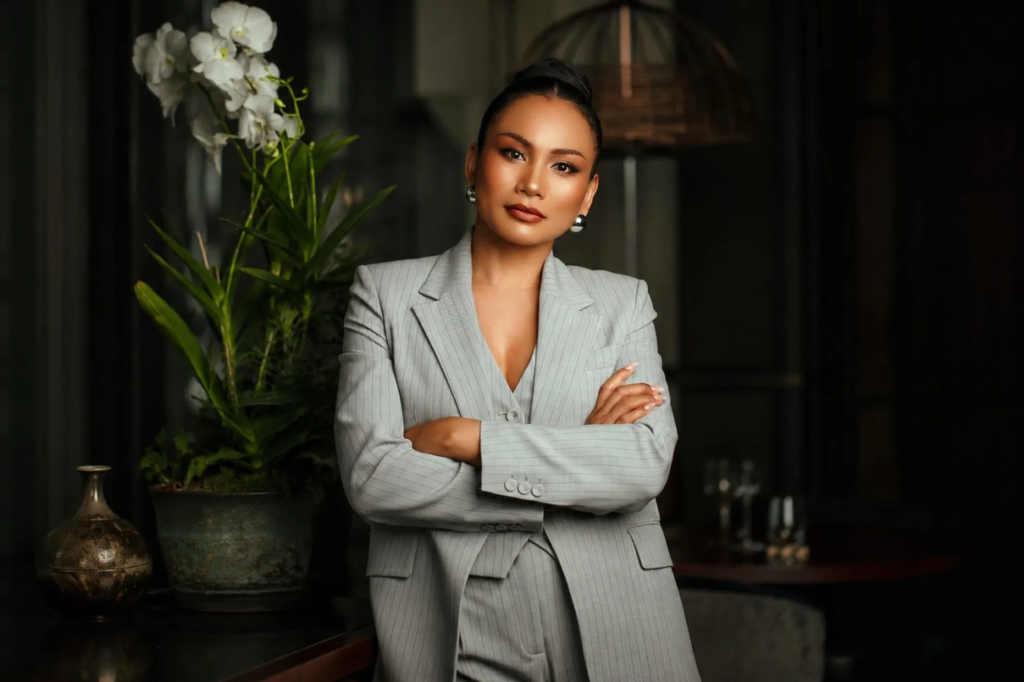
As Chairwoman and Co-Founder of NorKhmer Concepts, trading as Mekong Fine Food, Sato Moeun has built one of Cambodia’s leading premium food distribution companies, supplying luxury hotels, fine dining restaurants, embassies, and retailers across the Kingdom. Her journey from humble beginnings in Siem Reap to leading a nationally recognised business reflects resilience, discipline, and a commitment to excellence.
Passionate about building strong teams and trusted relationships, Sato believes long-term success comes from consistency, professionalism, and investing in people. She is also committed to creating more opportunities for Cambodian talent within the country’s growing food and hospitality industries.
In this edition of 50 Khmer Women Voices 2026, Sato reflects on her entrepreneurial journey, the evolving role of women in Cambodia’s hospitality sector, building trust in business, supporting SME growth, and the legacy she hopes to leave for the next generation of Cambodian entrepreneurs.
Building a Business from the Ground Up
CLR: Your journey has taken you from working in kitchens and hospitality to building one of Cambodia’s leading premium food distribution companies. Looking back, what were some of the key lessons that shaped your leadership and entrepreneurial journey?
Sato: My journey taught me that leadership is built long before you ever have a title. I grew up in difficult circumstances in Banteay Srei, and that taught me responsibility very early. Later, the structure and discipline I received through education changed the direction of my life. When I started working in hospitality in Siem Reap, I learned that excellence is not something glamorous — it comes from repetition, consistency, and respect for standards.
Then, when I moved into sales in Phnom Penh, I learned something equally important: you also need courage, confidence, and the ability to earn trust. For me, leadership has always been the combination of those two worlds — operational discipline and commercial courage. When we built Mekong Fine Food, I did not want to grow fast for the sake of growth. I wanted to build something trusted.
That mindset shaped everything: how we handle products, how we serve clients, how we train our team, and how we make decisions. One of the biggest lessons for me is that trust is earned quietly — through consistency, follow-through, and attention to detail. Another is that humility matters. I understand the business from many angles because I have worked in kitchens, front of house, sales, and logistics myself. That helps me lead with realism, not ego.
Women in Cambodia’s Food and Hospitality Industry
CLR: The food, hospitality, and distribution sectors employ many women, yet relatively few hold senior leadership positions. How have you seen opportunities for women in these industries evolve, and what more can be done to support future female leaders?
Sato: I have seen a real change in recent years. Women have always been essential to Cambodia’s food and hospitality sectors — in kitchens, service, administration, sales, and day-to-day operations — but too often they have not been given the same visibility or authority in leadership. What is changing now is that more women are stepping into decision-making roles, more businesses are recognising female leadership, and more young women are beginning to believe that these positions are possible for them. In my own company, I have worked hard to build a strong Khmer team, and I am proud that our management team includes many women in meaningful leadership roles.
What still needs to happen is very practical. Women need clearer pathways to leadership, more formal training, more trust placed in them early, and more businesses that invest in people rather than just positions. I strongly believe talent exists everywhere; what is often missing is structure, opportunity, and belief. We also need to keep formalising our industries, because formal employment creates more stable careers, better protections, and more room for women to grow professionally over time. My hope is that the next generation of Cambodian women will not only participate in these industries, but shape them.
Building a Cambodian Success Story
CLR: Mekong Fine Food has grown rapidly from a startup into a market leader serving luxury hotels, restaurants, embassies, and retailers. What do you believe has been the key to building trust and long-term relationships in Cambodia’s business environment?
Sato: In Cambodia, trust is everything. This is a relationship-driven market, so long-term success depends on your reputation, your consistency, and whether people believe you will do what you promised. In our case, trust started with relationships built over many years in hospitality and business. Many of our earliest clients knew me from previous roles, and they gave us an opportunity because they trusted our work ethic and our standards. But relationships can only open the door — after that, performance has to keep it open.
What built long-term trust for Mekong Fine Food was reliability. In premium food distribution, clients need certainty: that the product will arrive in the right condition, at the right time, and to the right standard. That is why we have always been hands-on about logistics, cold-chain discipline, and quality control. Even during difficult periods, including logistics disruption, we focused on protecting client trust by delivering and communicating well.
I think that is the key in Cambodia’s business environment: respect relationships, follow through on every commitment, and never let short-term convenience damage long-term credibility.
Entrepreneurship, Resilience, and Growth
CLR: You have spoken openly about the challenges many SMEs face, particularly around financing, talent, and scaling operations. What advice would you give to women entrepreneurs looking to build and grow businesses in Cambodia today?
Sato: My advice to women entrepreneurs in Cambodia is first to believe that you do not need to start with perfect conditions to build something meaningful. I did not come from wealth or property, and one of the biggest challenges for SMEs is still access to finance. Traditional lending can be very difficult for growing businesses, especially if you do not have collateral.
Talent is another challenge, because growth depends not only on finding capable people, but on building a culture where they can succeed. So resilience matters — but resilience should not mean trying to do everything alone. It means staying committed, staying adaptable, and finding the right support when it becomes available.
Practically, I would say: start with the client and solve a real need. Go the extra mile. Build strong operations early, not only sales. Do things formally and transparently, because that becomes more important as you grow and as better clients and partners look for reliable businesses. And invest in people. A good business is not just built on products or ideas; it is built on a team that shares your standards and your values. If you stay grounded, keep learning, and protect your reputation, growth becomes much more sustainable.
Leading the Next Generation
CLR: You have built a company with a strong Khmer team and a culture focused on collaboration and excellence. What kind of legacy would you like to leave for the next generation of Cambodian women entering business, entrepreneurship, and leadership roles?
Sato: The legacy I want to leave is not only a successful company. I want to leave proof that a Cambodian woman, with the right discipline, values, and support, can build a business that operates at world-class standards. I want young Cambodian women to see that leadership does not require coming from privilege. It requires effort, integrity, courage, and the willingness to keep learning.
If my journey can help someone believe that her starting point does not define her future, that would mean a great deal to me. I also want my legacy to be visible in people. We have built a strong Khmer team and a culture centred on collaboration, accountability, and excellence.
To me, the best leader is not the one who is always needed, but the one who builds a team that can stand strong on its own. Beyond business, I think often about giving back to Banteay Srei through better schooling, health support, and economic opportunity. So if I had to describe the legacy I hope for, it would be this: stronger women, stronger teams, and more opportunity being passed forward than held back.
Explore the complete Cambodia Leadership Review – 50 Khmer Women Voices 2026 featuring exclusive interviews with Cambodia’s Top 50 Khmer Women leaders. Discover their journeys, leadership lessons, and vision for the Kingdom’s future.