
Cambodia Leadership Review
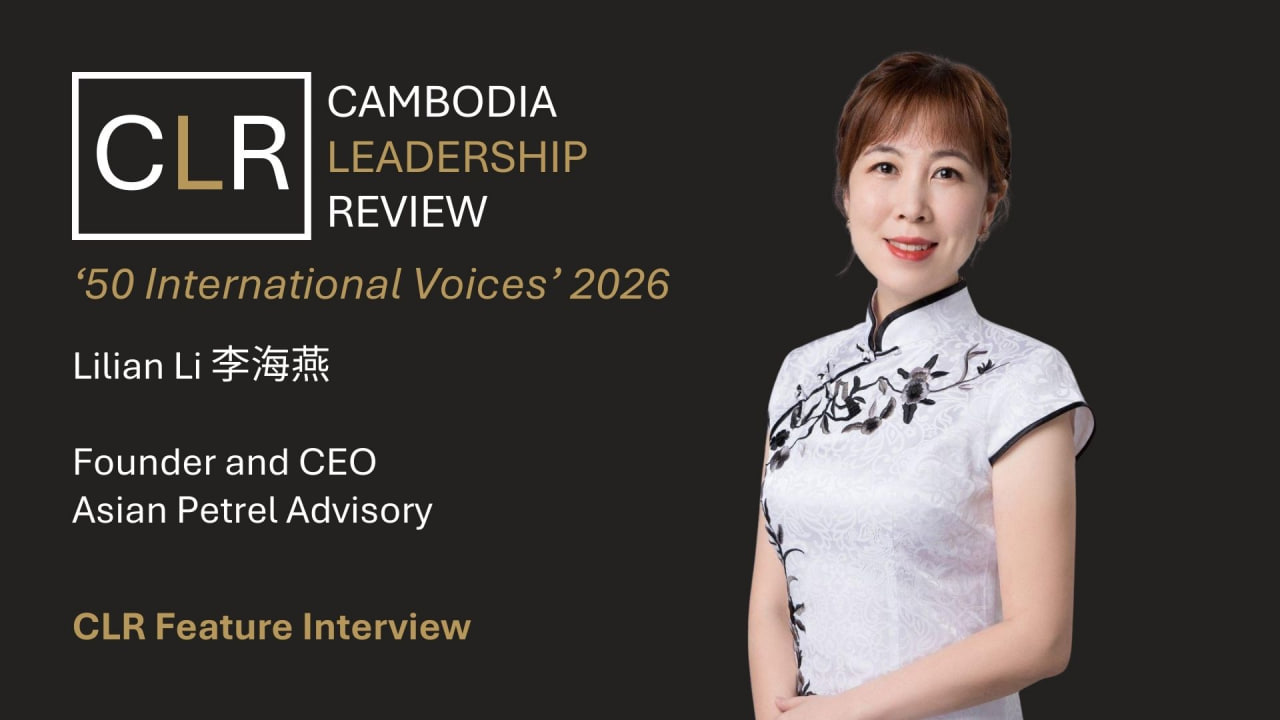
Lilian Li is the Founder and Chief Executive Officer of Asian Petrel Advisory, a strategic leadership and communication advisory firm operating across Southeast Asia. With more than 20 years of experience spanning telecommunications, ICT infrastructure, executive coaching, and leadership development, she has built a career at the intersection of cross-border collaboration, policy alignment, and high-impact executive influence.
Her professional journey began in Cambodia’s telecom sector in 2006, contributing to the country’s national fiber backbone development. Since then, she has played pivotal roles in regional infrastructure initiatives, including representing Cambodia in the landmark AAE-1 Asia-Africa-Europe submarine cable consortium. Recognised with the 2020 Leader for Emerging Market Award and the 2021 Australian Ambassador’s Award for Women in Leadership, Lilian is also widely known for her work on “The Art of Executive Influence,” focusing on personal branding, storytelling, and high-impact leadership.
Currently pursuing a PhD focused on AI adoption in Cambodian large family businesses, she brings together policy insight, academic rigor, and practical advisory experience. In this interview, she reflects on leadership across diverse markets, executive communication, AI transformation, and the future of Cambodia’s digital economy.
Leadership Across Markets and Sectors
CLR: With more than two decades of experience across Southeast Asia—markets known for their diversity and complex political contexts—how has this regional exposure shaped your leadership philosophy and approach to building influence and trust with stakeholders?
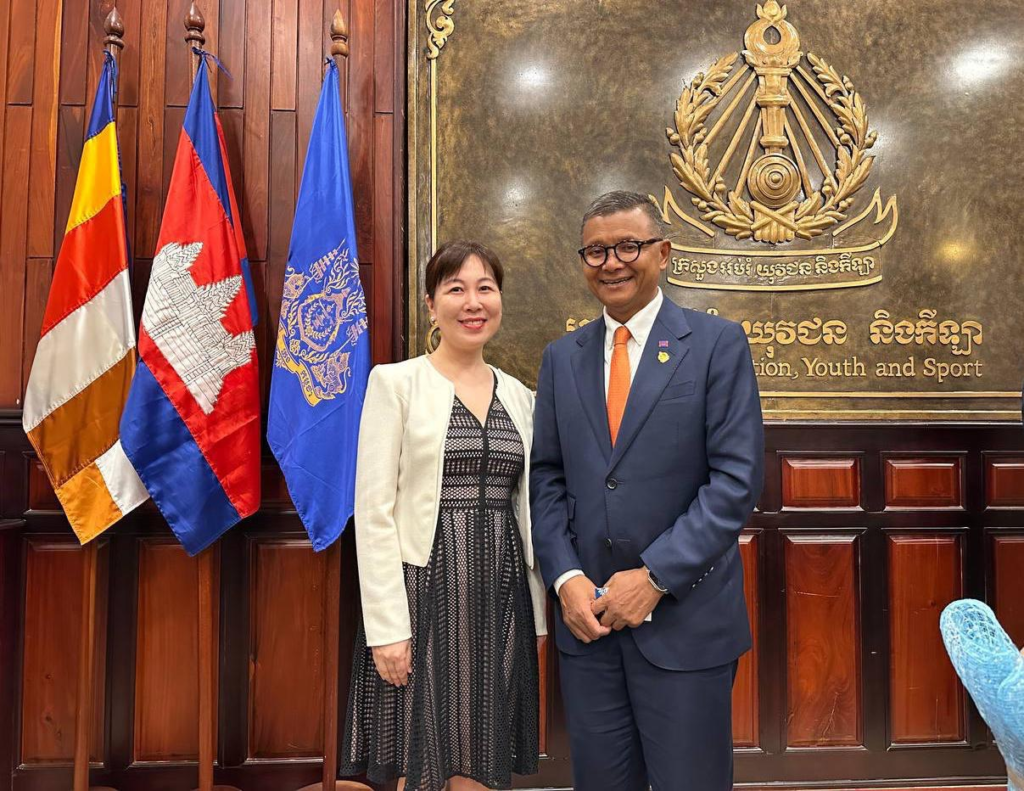
This year marks my 20th year in Southeast Asia, beginning with Cambodia’s national fiber backbone project in 2006. With a professional background spanning the telecom and education sectors, I now leverage this two-decade experience to deliver strategic advisory services to local and regional entities. Guided by the “low ego, high impact” motto from the Kellogg-HKUST EMBA program, I have practiced authentic leadership that builds trust and influence across diverse markets—an approach recognised with the 2020 Leader for Emerging Market Award and the 2021 Australian Ambassador’s Award for Women in Leadership.
In 2018, I led the landmark AAE-1 (Asia-Africa-Europe) submarine cable project, uniting governments, operators, and partners amid conflicts and crises. As Cambodia’s representative to the consortium, I convened key stakeholders, focused on shared value, and prioritised regional connectivity needs, turning the project into a model of cross-border collaboration. This became the core case study in my speech at the 2019 Asia Pacific Telecom Forum, where I emphasised that the greatest influence lies in connecting people—not just technical expertise.
Over two decades navigating Southeast Asia’s diverse landscapes, I have stood alongside Cambodia’s telecom sector through its evolution; built partnerships across Myanmar during shifting policy periods; and supported teams in the Philippines amid environmental uncertainty. Through every challenge, I learned that influence is built not on authority, but on genuine connection; trust is earned through consistent action; and enduring leadership is grounded in humility.
Executive Influence, Communication, and Leadership Development
CLR: You are widely recognised for your work in “The Art of Executive Influence.” Why are personal branding, storytelling, and high-impact leadership increasingly critical for leaders, particularly in emerging markets like Cambodia?
In a world shaped by rapid technological disruption, geopolitical shifts, and cultural nuance, hierarchical authority alone is no longer sufficient. Personal branding creates a credible identity in environments where institutional trust is still evolving. Storytelling translates complex strategies—whether digital transformation or regulatory alignment—into culturally resonant narratives that bridge global best practices with local values such as relationship-building. High-impact leadership connects credibility and narrative to measurable results.
In Cambodia, I witnessed this impact firsthand. In 2009, I supported ANZ Bank’s leadership development through Toastmasters-based executive communication frameworks. Over time, the ripple effect became visible—today, several CEOs across Cambodia’s banking sector trace foundational communication and influence skills back to that early initiative.
My 2025 published research, featuring interviews with leaders from telecom, banking, and infrastructure sectors, confirms that these three capabilities are among the most sought-after skills in Cambodia’s executive landscape. In emerging markets, executive influence is not theoretical—it is a practical toolkit that transforms volatility into opportunity.
Research, AI, and Family Businesses in Cambodia
CLR: You are pursuing a PhD focused on AI adoption in Cambodian large family businesses. What opportunities and challenges do you see as these enterprises begin integrating AI and digital technologies?
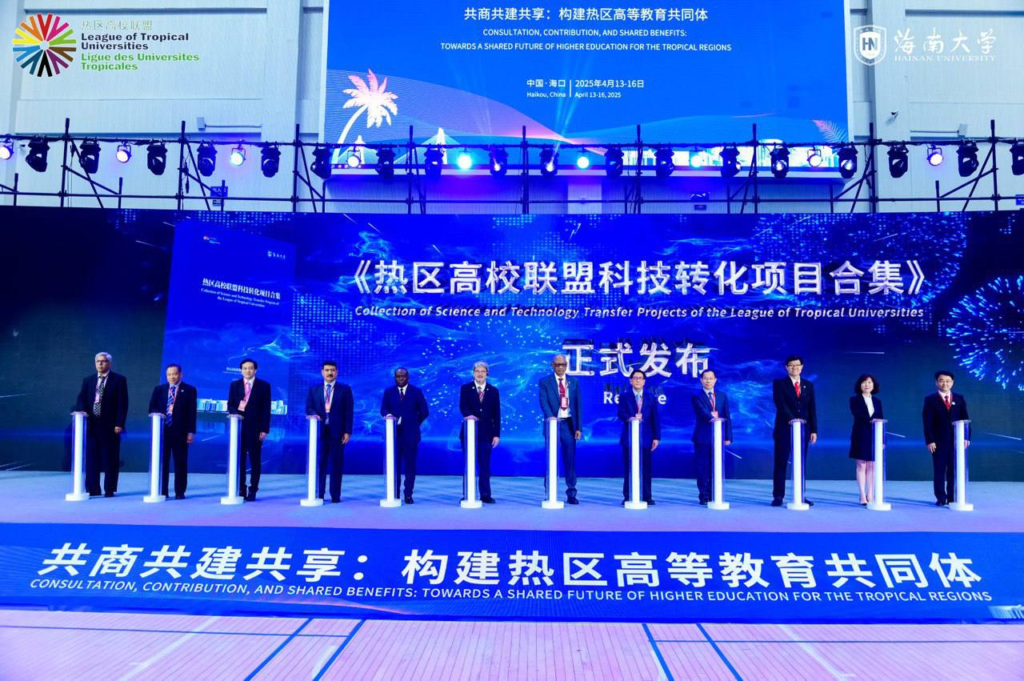
I am honoured to pursue this research under a distinguished committee combining senior policymakers and academic leaders. My interest was inspired by participation in the UN ESCAP 2025 AI adoption study in Cambodia. Large family businesses form the backbone of the Cambodian economy, yet remain under-researched in digital and AI transformation.
AI presents significant opportunities—optimising agriculture and manufacturing, strengthening digital engagement, and bridging generational leadership gaps while preserving family traditions. It also aligns with Cambodia’s Pentagonal Strategy, which prioritises technological advancement.
However, challenges remain: limited data infrastructure, resistance to change across generations, and shortages of AI-skilled talent. My research applies established governance and adoption frameworks to analyse influencing factors through quantitative research and in-depth executive interviews. The goal is practical—translating academic insight into actionable strategies that support digital transformation and national development objectives.
Looking Ahead: Leadership, Technology, and the Next Generation
CLR: How do you see the intersection of leadership development and AI shaping the future of Cambodian large family businesses and institutions across the region?
The convergence of leadership development and AI will be pivotal, particularly as many large family enterprises navigate first-to-second generational transitions. These businesses must align traditional strengths with digital transformation while supporting Cambodia’s long-term national strategy.
AI can enhance efficiency and competitiveness, but implementation without adaptive leadership risks eroding legacy strengths. Leaders must cultivate inclusive, future-ready teams that combine founding-generation expertise with digital fluency. AI deployment should focus on high-impact applications—such as supply chain optimisation and regional expansion—rather than unproven experimentation. Governance frameworks must evolve while preserving the stability and networks that define family enterprises.
Adaptive leadership is the anchor. By aligning technological upgrades with national development priorities, Cambodian family businesses can sustain long-term growth and strengthen regional competitiveness.
See the full list and download the magazine here. https://cambodiainvestmentreview.com/2026/03/02/50-international-voices-2026/