

Cambodia Investment Review
Cambodian farmers are facing mounting pressure as rising global fertilizer prices—linked to geopolitical tensions in the Middle East—drive up production costs and threaten the viability of upcoming planting seasons.
Rising input costs squeeze margins
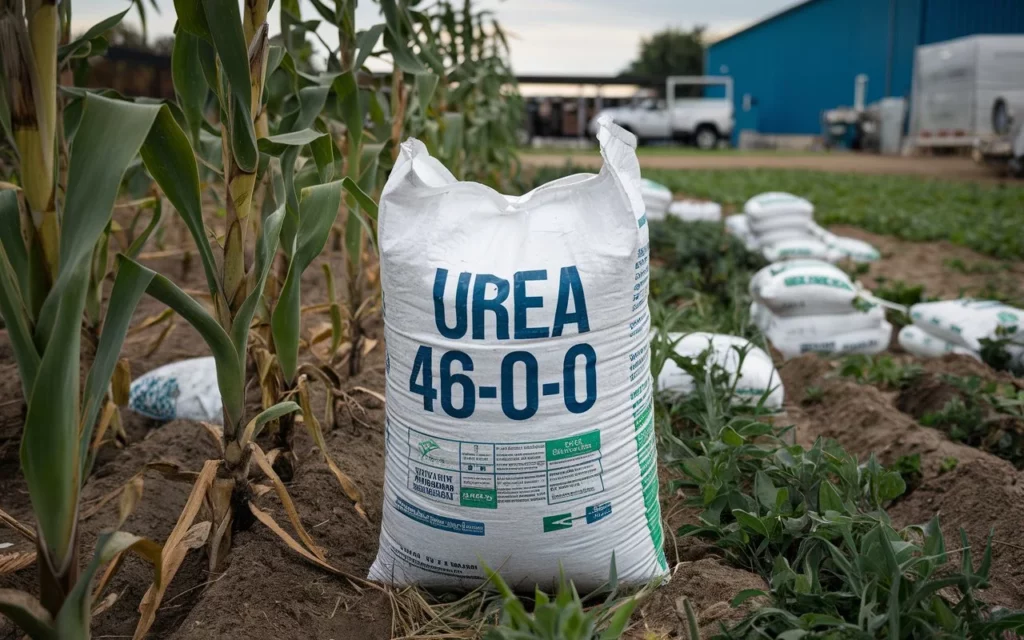
Prices for imported chemical fertilizers have risen by approximately 25% to 30% in recent months, significantly increasing the cost burden on farmers who rely on these inputs to maintain yields. A standard 50kg bag of fertilizer has climbed to around 150,000 riels ($37.50), up from roughly 130,000 riels just three months earlier.
At the same time, fuel prices remain elevated, further compounding production costs. As of late April, gasoline prices ranged between 5,150 and 5,650 riels per litre, adding to transportation and mechanisation expenses across the agricultural value chain.
For many farmers, these rising costs are not matched by higher crop prices, creating a widening gap between input costs and potential returns. This imbalance is prompting difficult decisions around whether to proceed with high-yield or dry-season rice cultivation.
Shift in planting decisions
Some farmers are reconsidering crop strategies altogether, with a growing number indicating a preference for lower-cost rainy-season rice over more input-intensive dry-season varieties. High-yield rice types, typically cultivated for export markets, require significant fertilizer use, making them increasingly unviable under current cost conditions.
This shift could have broader implications for Cambodia’s rice export capacity, particularly if production of export-grade varieties declines. At the same time, some farmers are exploring alternative income sources to offset agricultural losses, reflecting concerns about the sustainability of farming as a primary livelihood.
Structural reliance on imports
Cambodia’s exposure to global price shocks is amplified by its heavy reliance on imported agricultural inputs. In 2025, the country spent approximately $636 million on fertilizer and pesticide imports, including around $419 million on chemical fertilizers alone.
This dependency leaves the sector vulnerable to external disruptions, including geopolitical conflicts and global supply chain volatility. With no updated data available for 2026, the full extent of the current price impact remains uncertain, but upward pressure is expected to persist in the near term.
Calls for policy intervention
As production costs continue to rise while farmgate prices remain relatively stagnant, industry stakeholders are highlighting the need for targeted policy responses.
Suggested measures include financial support mechanisms such as low-interest loans, subsidies for agricultural inputs, and potential reductions in import duties on key farming materials. These interventions aim to ease immediate financial strain and prevent farmers from exiting the sector.
Beyond financial support, there are also growing calls to strengthen domestic resilience through improved input supply strategies and long-term agricultural planning.
Organic alternatives gain attention
The current cost environment is also accelerating interest in organic farming practices as a way to reduce dependence on imported chemical fertilizers.
Some farmers have successfully transitioned to compost-based systems, producing their own organic fertilizer from locally available materials such as plant waste and natural biomass. These approaches can lower input costs while improving soil health and reducing exposure to volatile global markets.
However, scaling such practices across the sector will require training, support, and time, particularly for farmers accustomed to chemical-intensive methods.
Outlook remains uncertain
With global energy and commodity markets still influenced by geopolitical developments, Cambodia’s agricultural sector faces continued uncertainty.
In the absence of meaningful cost relief or policy intervention, rising input prices could lead to reduced planting, lower output, and increased financial strain on rural households—posing risks not only to farmers but also to broader food security and export performance.


